The mosquito’s life cycle is one of the most fascinating yet concerning biological processes in nature. Mosquitoes are not just annoying pests—they play a significant role in ecosystems and transmit dangerous diseases such as malaria, dengue, and Zika. Understanding their life cycle is crucial for effective mosquito control and reducing mosquito bites.
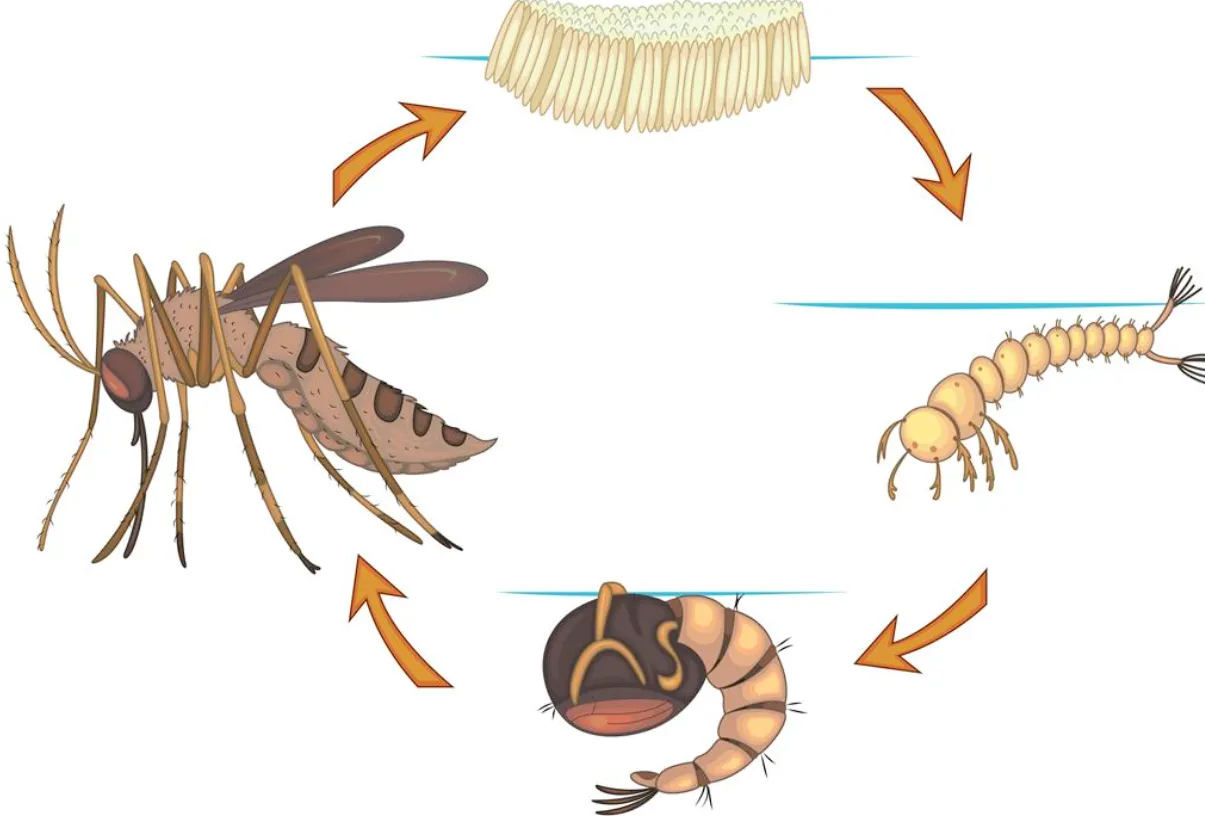
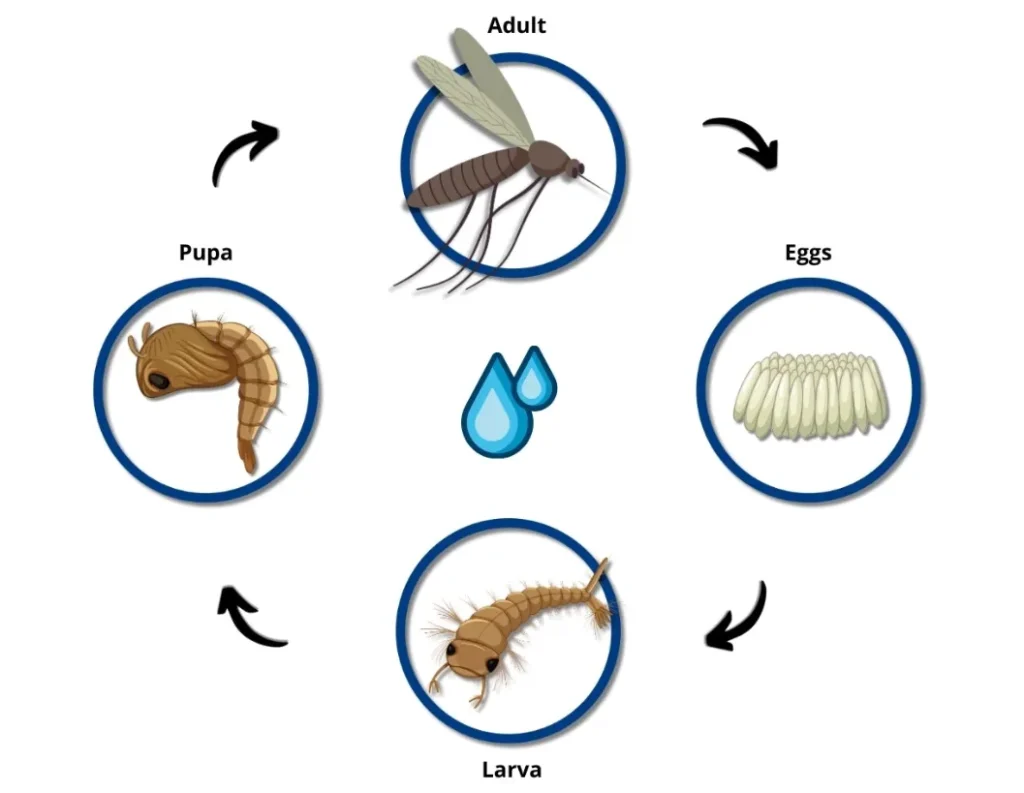
Mosquitoes go through four distinct stages: egg, larva, pupa, and adult. Each stage occurs in water except the adult stage, making stagnant water a major breeding ground. This is why managing water sources is essential for controlling mosquito populations.
With rising global temperatures and urbanisation, mosquito populations are expanding rapidly. That’s why awareness of their lifecycle and the use of effective mosquito repellent methods are more important than ever.
🔎 Quick Answers (Most Common Questions)
1. What is the life cycle of a mosquito?
A mosquito’s life cycle includes four stages: egg → larva → pupa → adult. The entire process can take 7–14 days, depending on environmental conditions.
2. Where do mosquito larvae live?
Mosquito larvae live in stagnant water such as ponds, drains, containers, and even small puddles.
3. How can I prevent mosquito breeding?
Eliminate standing water, use proper drainage, and apply effective mosquito control methods in your surroundings.
Quick Life Cycle Table
| Stage | Duration | Habitat | Key Features |
| Egg | 1–3 days | Water surfaces | Laid in clusters or singly |
| Larva | 4–7 days | Stagnant water | Active feeders, called “wrigglers” |
| Pupa | 1–4 days | Water | Non-feeding, transformation stage |
| Adult | 1–2 weeks | Air/land | A flying insect reproduces |
The History Of Their Scientific Naming
The scientific naming of mosquitoes has evolved over centuries as entomology advanced. Below are key points:
- The term “mosquito” originates from Spanish, meaning “little fly.”
- Mosquitoes belong to the family Culicidae, which is classified in the order Diptera.
- Early classification began in the 18th century by Carl Linnaeus, the father of taxonomy.
- Over 3,500 mosquito species have been identified globally.
- Key genera include:
- Anopheles (malaria transmission)
- Aedes (dengue, Zika)
- Culex (West Nile virus)
- Scientific naming helps researchers identify disease vectors and control strategies.
This classification system has been crucial in developing targeted mosquito control programs worldwide.
Their Evolution And Their Origin
Mosquitoes have existed for over 100 million years, dating back to the Cretaceous period. Fossil evidence shows that ancient mosquitoes were already capable of blood-feeding.
Originally, mosquitoes likely evolved from non-biting flies. Over time, female mosquitoes developed specialised mouthparts for piercing skin and extracting blood—an adaptation essential for egg production.
Their evolution has been influenced by climate, habitat, and host availability. As continents shifted and ecosystems changed, mosquitoes diversified into thousands of species.
Interestingly, not all mosquitoes feed on blood. Only females require blood meals, while males feed on nectar. This evolutionary adaptation allows mosquitoes to survive in diverse environments—from tropical forests to urban cities.
Human activities, such as deforestation and urbanisation, have accelerated mosquito evolution by creating new breeding habitats. Climate change is also expanding their geographical range, making them a global concern.
Their Main Food and Its Collection Process
Mosquitoes have a unique feeding system that varies between males and females.
🥤 Feeding Habits:
- Male Mosquitoes:
- Feed on plant nectar
- Consume sugars for energy
- Play a role in pollination
- Female Mosquitoes:
- Feed on nectar for energy
- Require blood meals for egg development
- Target humans and animals
🧬 Blood Collection Process:
- Use a specialised proboscis to pierce the skin
- Inject saliva to prevent blood clotting
- Extract blood using capillary action
🐾 Host Detection:
- Detect carbon dioxide (CO₂) from breathing
- Sense body heat and skin chemicals
- Use visual cues in daylight species
🌿 Nutrient Utilisation:
- Blood provides proteins for egg production
- Nectar provides energy for survival and flight
This dual feeding strategy ensures survival and reproduction, making mosquitoes highly efficient organisms.
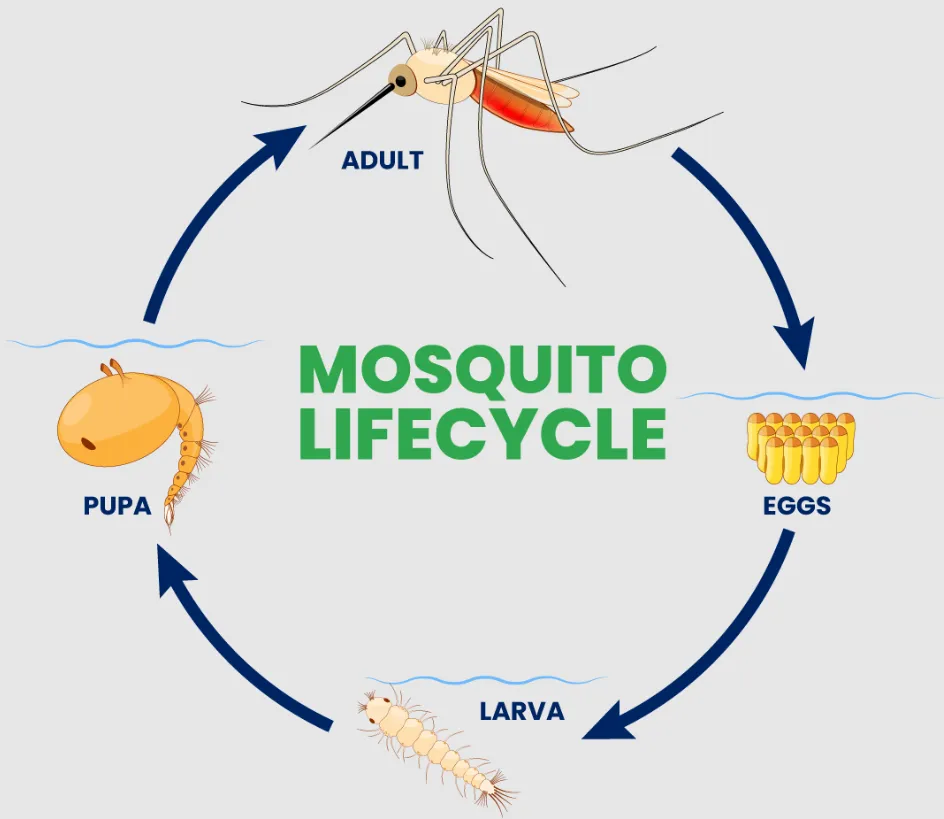
Their Life Cycle and Ability to Survive in Nature
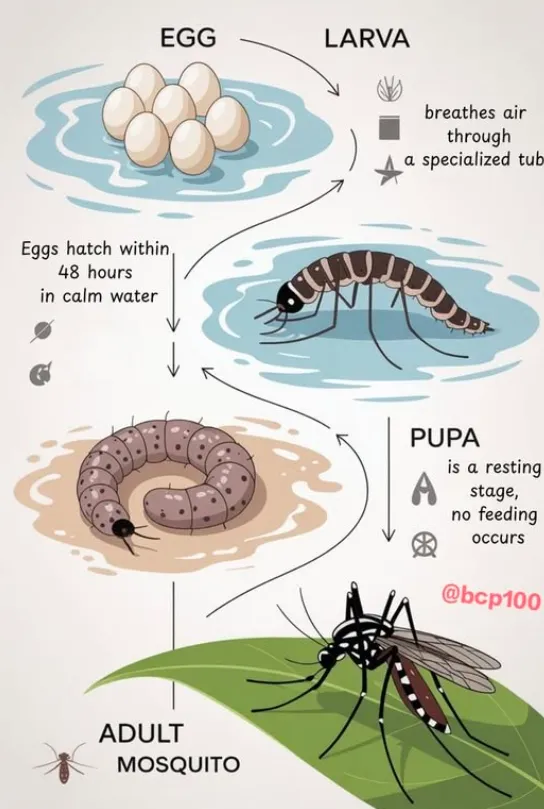
🥚 Egg Stage
Mosquitoes lay eggs on water surfaces. Some species lay hundreds at once, increasing survival chances.
🐛 Larval Stage
Larvae, also called mosquito larvae, feed on microorganisms. They breathe through siphons and are highly active.
🛸 Pupal Stage
Pupae do not feed but transform. This stage is short but critical.
🦟 Adult Stage
Adults emerge and begin flying. Females seek blood meals, while males focus on nectar feeding.
🌍 Survival Abilities
- Can breed in tiny water sources
- Rapid life cycle (as short as 7 days)
- Adapt to urban and rural environments
- Resistant to many environmental changes
Their adaptability makes them one of the most resilient insects on Earth.
Their Reproductive Process and Raising Their Children
Mosquito reproduction is highly efficient, enabling rapid population growth.
🔁 Reproductive Process:
- Mating occurs shortly after adulthood
- Females store sperm for multiple egg-laying cycles
- One female can lay hundreds of eggs
🥚 Egg Laying:
- Prefer stagnant water
- Eggs hatch quickly in favourable conditions
👶 Development:
- No parental care after egg laying
- Larvae grow independently
- High mortality rate balanced by large numbers
🔄 Rapid Generations:
- Multiple generations per season
- The population can explode quickly
This reproductive strategy ensures the survival of the species despite environmental threats.
Importance of Them in this Ecosystem
🌱 Pollination Role
Mosquitoes help pollinate plants by feeding on nectar.
🐟 Food Chain Contribution
They serve as food for:
- Fish
- Birds
- Frogs
- Other insects
🌍 Biodiversity Balance
Mosquitoes contribute to maintaining ecological balance.
🔬 Scientific Research
Used in studies for disease control and genetics.
Important Things That You Need To Know
Mosquitoes are more than just pests—they significantly impact health and the environment. Here are key insights related to mosquitoes, mosquito bites, mosquito repellent, mosquito control, mosquito control near me, and mosquito larvae:
Mosquito bites can transmit deadly diseases, making prevention critical. Using effective mosquito repellents such as DEET-based sprays or natural oils can reduce exposure.
Mosquito control strategies include eliminating stagnant water, using larvicides, and installing screens. If infestations are severe, searching for mosquito control near me can help you find professional services.
Understanding mosquito larvae is crucial because controlling them early prevents the formation of adult populations. Larvae thrive in small water sources like buckets, drains, and plant pots.
Modern mosquito control combines biological, chemical, and environmental approaches. Community awareness and personal protection are key to reducing risks.
By integrating these strategies, individuals can significantly reduce mosquito populations and protect themselves from bites and diseases.
What to Do to Protect Them in Nature and Save the System for the Future
While controlling mosquitoes is important, maintaining ecological balance is equally essential.
- Preserve natural wetlands that support biodiversity
- Avoid excessive pesticide use that harms other species
- Encourage eco-friendly mosquito control methods
- Support research on sustainable control techniques
- Promote public awareness about mosquito ecology
- Maintain clean water systems without destroying habitats
- Use biological controls like fish that eat larvae
- Balance human safety with environmental protection
These steps help protect ecosystems while responsibly managing mosquito populations.
Frequently Asked Questions (FAQs)
1. How long does the mosquito’s life cycle take?
Typically 7–14 days, depending on temperature and environment.
2. What attracts mosquitoes to humans?
Carbon dioxide, body heat, and skin chemicals.
3. Are all mosquitoes harmful?
No, only some species transmit diseases.
4. Where do mosquitoes lay eggs?
In stagnant water, such as ponds, containers, and drains.
5. What kills mosquito larvae?
Larvicides, natural predators, and removing water sources.
6. Do mosquito repellents really work?
Yes, especially those containing DEET or picaridin.
7. Why do only female mosquitoes bite?
They need blood for egg production.
8. Can mosquitoes survive in cold weather?
Some species hibernate or lay eggs that survive winter.
Conclusion
The mosquito’s life cycle is a remarkable example of nature’s efficiency and adaptability. From eggs in stagnant water to flying adults capable of spreading diseases, mosquitoes have mastered survival over millions of years.
Understanding their life cycle is essential for effective mosquito control and reducing health risks. By targeting early stages, such as mosquito larvae, we can prevent population growth before it becomes a problem.
At the same time, mosquitoes play an important ecological role, contributing to pollination and serving as a food source for many species. This dual nature underscores the importance of striking a balance between control and conservation.
By combining awareness, prevention strategies, and eco-friendly solutions, we can protect ourselves from mosquito bites while preserving the natural ecosystem for future generations.
Also Read: life cycle of monarch butterfly