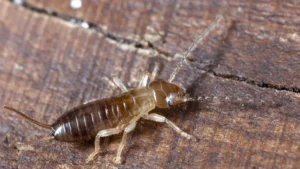
The cicada bug’s life cycle is one of the most fascinating insect life stories in nature. A cicada bug is a sound-producing insect best known for its loud summer call, transparent wings, wide-set eyes, and long underground nymph stage. Cicadas belong to the insect order Hemiptera, and most species are grouped in the family Cicadidae. Scientists recognize about 3,000 cicada species worldwide, many of which live in warm, tree-filled habitats.
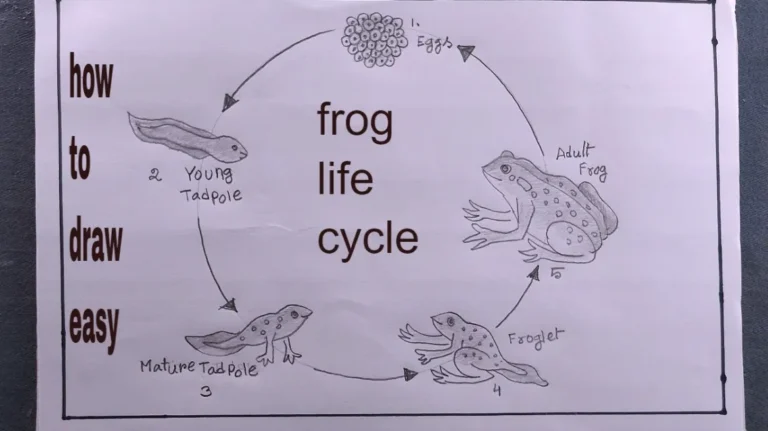
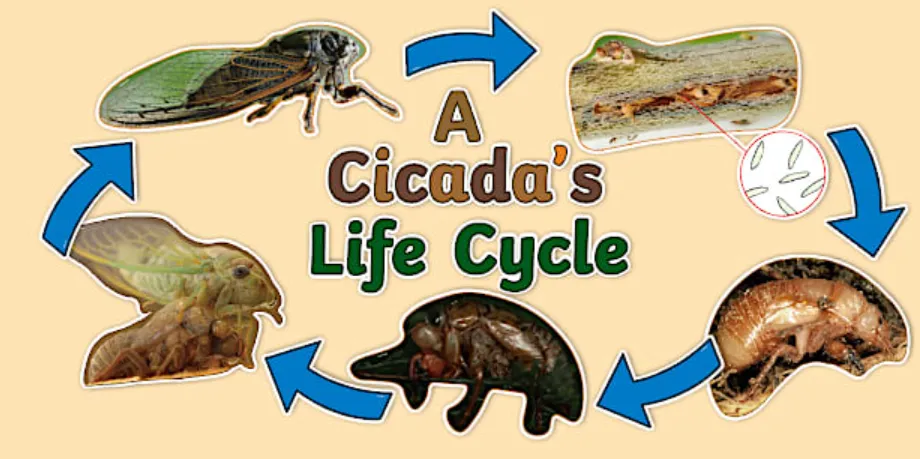
Unlike butterflies or beetles, cicadas do not pass through a complete pupal stage. Their life cycle is usually explained through egg, young nymph, mature underground nymph, and adult cicada stages. The most dramatic part takes place underground, where nymphs feed on the watery plant fluid called xylem sap from roots. Some annual cicadas may spend a few years underground, while famous North American periodical cicadas emerge after 13 or 17 years.
Q: What is a cicada bug?
A: A cicada bug is a true bug known for its loud male mating song, large, clear wings, short antennae, and underground nymph life.
Q: How long is the cicada bug’s life cycle?
A: It depends on the species. Some cicadas complete their development in a few years, while periodical cicadas emerge after 13 or 17 years.
Q: Why do cicadas make so much noise?
A: Male cicadas create a loud cicada bug sound by vibrating special body parts called tymbals to attract females.
Quick Life Cycle Table
| Life Stage | What Happens | Time Range |
| Egg | Females lay eggs in small slits in tree twigs or branches. | About 6–10 weeks in many species |
| Young Nymph | Tiny nymph drops to the ground and burrows into the soil. | Begins soon after hatching |
| Underground Nymph | Nymph feeds on root xylem sap and grows through several molts. | A few years, 13 or 17 years in the periodical cicadas |
| Adult Cicada | Adult emerges, molts, sings, mates, lays eggs, and dies. | Often 3–6 weeks above ground |
Important Things That You Need To Know
When people search for what a cicada bug is, they are often surprised to learn that cicadas are not harmful like mosquitoes, termites, or stinging insects. A cicada bug does not sting, does not spread disease to humans, and does not chew leaves like many garden pests. Its mouthparts are designed for drinking liquid from plants, mainly xylem sap.
Males produce the famous cicada bug sound. Their bodies work like small natural instruments. The abdomen contains air-filled spaces that amplify vibration, which is why a group of males can produce a strong cicada-like noise during warm weather.
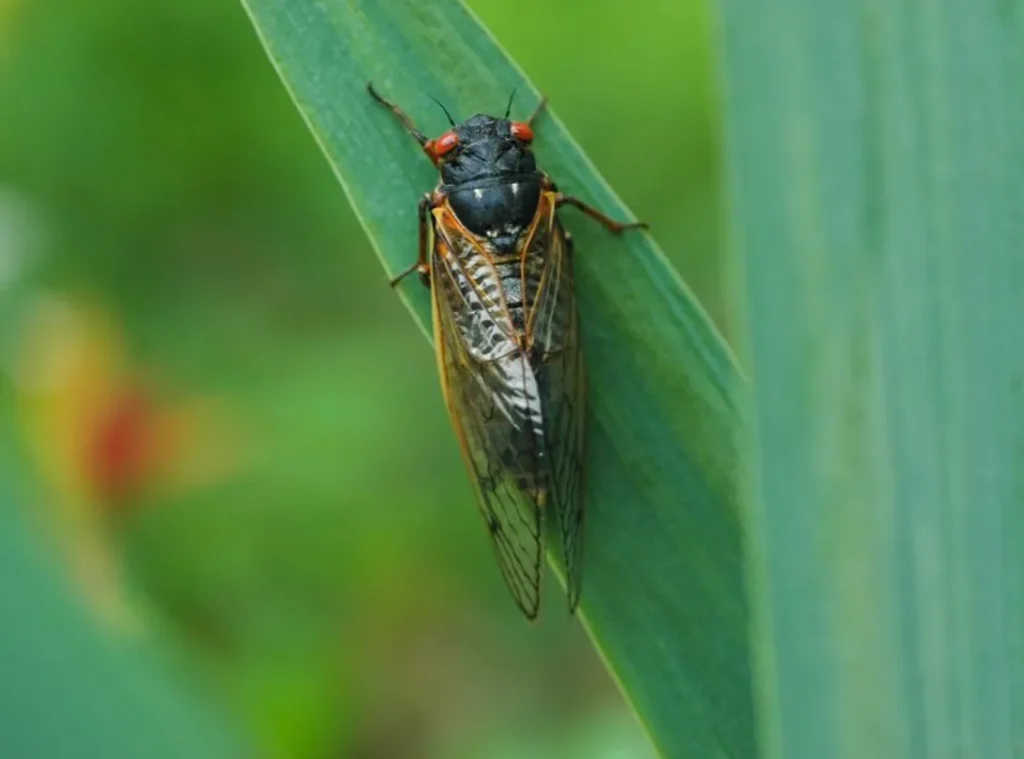
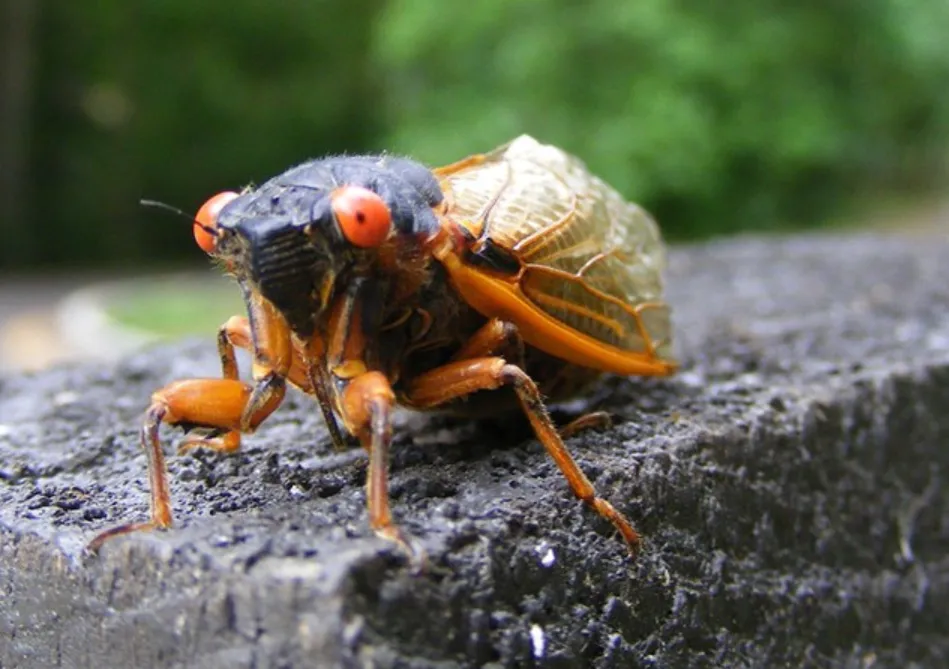
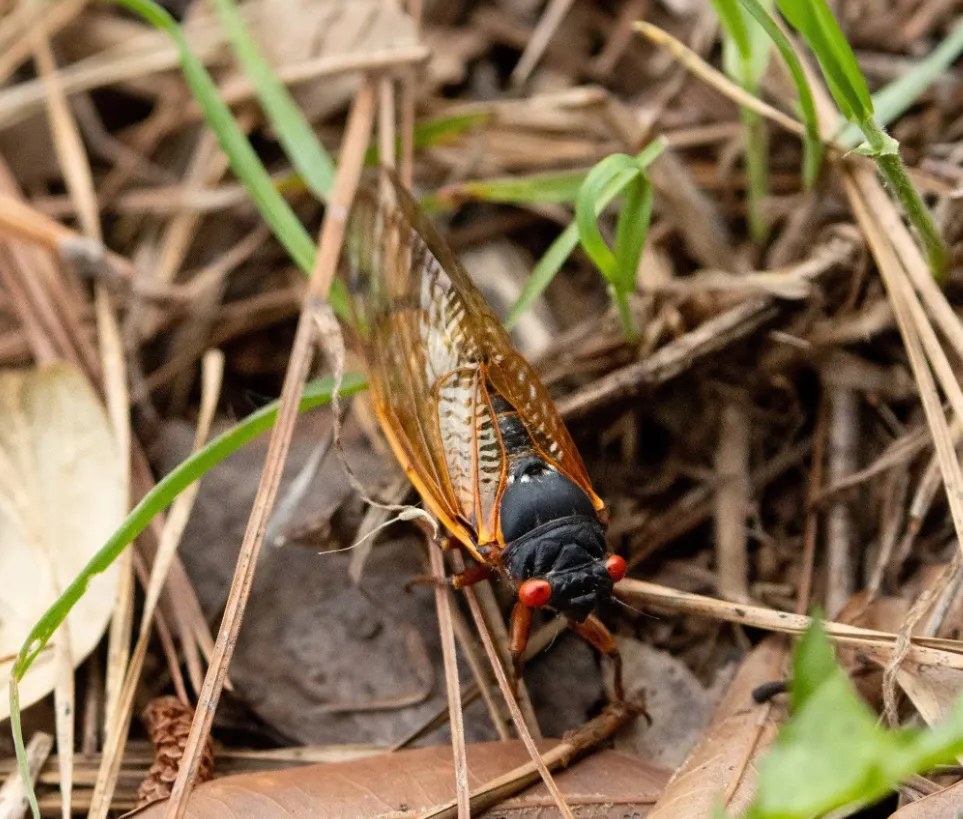
Many people also ask, ” What does a cicada bug look like? A typical adult has a thick body, clear or lightly colored wings, short antennae, and large eyes. Some species are dark with orange or red eyes, while others may appear green, brown, tan, or patterned. A green cicada bug is usually an annual cicada or local species with greenish body coloring, not a separate universal species.
The phrase “Arizona cicada bug” often refers to desert cicadas in Arizona and the Sonoran Desert. These cicadas are famous for calling in extreme summer heat. Some desert cicadas can manage heat by using water-rich xylem sap and evaporative cooling, a rare ability among insects.
The History Of Their Scientific Naming, Evolution, and Their Origin
Scientific Naming and Classification
The word cicada comes from Latin and is linked to sound, often interpreted as a “buzzer.” In scientific classification, cicadas are insects in the order Hemiptera, the group commonly called true bugs. Most familiar cicadas belong to the family Cicadidae, while the broader superfamily is Cicadoidea.
Evolutionary Background
Cicadas are ancient insects. Fossil and evolutionary studies show that cicada relatives have deep roots in Earth’s history. Recent research on fossil cicadoids suggests that major cicada lineages, such as Cicadidae and Tettigarctidae, may have diverged by the Middle Jurassic.
Origin and Global Spread
Today, cicadas live on every continent except Antarctica. They are especially common in warm and tropical regions, but many also live in temperate forests, deserts, grasslands, and suburban areas with trees. Their long underground life helped them survive seasonal changes, predators, and environmental pressure.
Their Reproductive Process, Giving Birth And Rising Their Children
Male Calling and Female Attraction
Cicada reproduction starts with sound. Male cicadas call to attract females, and in many species several males call together in a chorus. This loud cicada bug sound is not random noise; it is a mating signal. Each species usually has its own sound pattern, helping females recognize the correct mate.
Mating Process
After a female responds, the male and female mate on tree trunks, branches, or nearby vegetation. Adult cicadas usually have a short above-ground life, so mating happens quickly after emergence. Their adult stage is mainly focused on reproduction rather than long-term survival.
Egg Laying in Tree Branches
Female cicadas do not give birth to live young. Instead, they lay eggs. Using a sharp egg-laying organ called an ovipositor, the female cuts small slits into twigs or narrow branches and places eggs inside. This may cause twig tips to weaken or die, especially on young trees.
No Parental Care
Cicadas do not raise their children like birds or mammals. After laying eggs, the female’s job is complete. The eggs hatch several weeks later, and the tiny nymphs drop from the tree to the ground. They then burrow into the soil and begin feeding on root fluids.
Stages Of Cicada Bug Life Cycle
1. Egg Stage
The egg stage begins after the female cicada cuts small grooves into twigs or branches. She places her eggs inside these protected openings. In many periodical cicadas, eggs hatch about six to ten weeks after laying, depending on weather, tree condition, and species.
2. Young Nymph Stage
After hatching, the young cicada nymph is tiny, pale, and soft-bodied. It drops from the branch to the ground. This fall is normal and necessary. Once it reaches the soil, it digs downward and searches for tree roots. At this stage, the young nymph starts drinking xylem sap, a watery plant fluid.
3. Underground Nymph Stage
The underground nymph stage is the longest stage of the cicada’s life cycle. The nymph grows slowly, molts several times, and lives near roots. Periodical cicadas are famous for spending 13 or 17 years underground, while annual cicadas may have shorter but still multi-year development cycles.
4. Adult Stage
When mature, the nymph tunnels upward and emerges from the soil. It climbs a tree, fence, wall, or plant stem and sheds its final nymph skin. The winged adult then hardens, flies, sings, mates, and lays eggs. Adult periodical cicadas often live only three to four weeks above ground.
Their Main Diet, Food Sources, And Collection Process Explained
The main diet of a cicada bug is plant liquid, especially xylem sap. Xylem is the watery fluid that moves minerals and water from roots upward through the plant. It is low in sugar and nutrients compared with phloem sap, so cicadas must process a lot of fluid to get enough nutrition.
Cicada nymphs feed underground by inserting their straw-like mouthparts into plant roots. They do not chew roots like grubs. Instead, they drink from the root system while remaining hidden in the soil. This is why the underground stage can last for years.
Adult cicadas also have sucking mouthparts and can drink plant fluids, although their adult life is short and centered on mating. Recent research has corrected the older belief that adult cicadas do not feed at all; they can feed, but reproduction remains their main purpose as adults.
Their collection process is simple but specialized:
- Nymphs locate roots underground and tap into xylem flow.
- Adults use piercing mouthparts to drink from stems or woody plant tissue.
- Excess water is expelled because xylem contains a large amount of fluid.
- Trees usually tolerate feeding, especially mature, healthy trees.
Cicadas are not leaf-eaters. Most visible plant damage comes from egg-laying cuts in small branches, not from feeding.
How Long Does A Cicada Bug Live
The lifespan of a cicada bug depends strongly on the species. The answer can be confusing because cicadas spend most of their lives underground and only a short time as winged adults.
- Egg stage: Many cicada eggs hatch in about 6–10 weeks, although the exact timing depends on species and weather.
- Nymph stage: the longest life stage. Many annual cicadas spend multiple years underground, but different broods overlap, so adults appear every year.
- Periodical cicadas: North American periodical cicadas in the genus Magicicada are famous for 13-year or 17-year life cycles. These are among the longest known insect life cycles.
- Adult stage: Adult cicadas usually live only a few weeks. Smithsonian notes that adult periodical cicadas often live around three to four weeks after emerging.
- Annual cicadas: The name “annual” does not always mean one individual lives only one year. It means some adults from that species group emerge every year because their underground generations overlap.
- Predators shorten life: Birds, mammals, reptiles, amphibians, spiders, wasps, and other predators eat cicadas. Mass emergence helps periodical cicadas survive by overwhelming predators.
- Weather affects survival: Cold snaps, drought, heavy rain, soil flooding, or extreme heat can affect eggs, nymphs, and adults.
- Human impact matters: Tree removal, soil disturbance, pesticides, and habitat loss can reduce cicada survival, especially for periodical broods that depend on long-term stable habitats.
So, a cicada may live only weeks as a flying adult, but its full life can last several years underground. For the most famous periodical cicada species, the full life cycle can reach 13 or 17 years.
Cicada Bug Lifespan in the Wild vs. in Captivity
Lifespan in the Wild
In the wild, cicadas follow their natural cycle. Eggs develop in branches, nymphs drop to the soil, and underground juveniles feed on tree roots. Wild conditions give them access to living roots, seasonal temperature signals, and suitable emergence sites.
However, wild cicadas face many dangers. Predators eat adults and nymphs, storms can damage egg-laying branches, and habitat loss can remove the trees they need.
Lifespan in Captivity
Cicadas are difficult to keep in captivity because they require living plants, access to roots, proper soil conditions, humidity, and seasonal cues. The nymph stage is especially hard to support because nymphs feed underground for years.
Adult cicadas may survive briefly in captivity if given proper ventilation, plant stems, warmth, and moisture. Still, captivity usually shortens their life because their natural diet and mating behavior are hard to recreate.
Main Difference
A wild cicada has the best chance of completing its full life cycle. Captivity may allow short observation, but it is not ideal for long-term survival or reproduction.
Importance of Cicada Bug In This Ecosystem
Food for Wildlife
Cicadas are a major food source for birds, mammals, reptiles, amphibians, spiders, wasps, and fish near water. During mass emergences, many predators shift their diet to cicadas because they are abundant and easy to catch.
Soil Aeration
When nymphs tunnel underground, they loosen soil. These tunnels can help air and water move through the ground more easily. The U.S. EPA notes that cicadas can help aerate lawns and improve water filtration.
Natural Fertilizer
After adult cicadas die, their bodies decompose, returning nutrients to the soil. This creates a natural nutrient pulse that supports microbes, plants, and the broader soil food web.
Forest Health Indicator
Large cicada populations often suggest long-term tree presence and stable habitat. Periodical cicadas especially depend on areas where trees have remained for many years.
Balanced Plant Impact
Cicadas may damage small twigs during egg laying, but mature trees usually recover. In nature, this light pruning can become part of the forest renewal process.
What To Do To Protect Them In Nature And Save The System For The Future
Protect Mature Trees
- Keep healthy native trees in yards, parks, forests, and community spaces.
- Cicadas depend on trees for feeding, egg laying, and long underground development.
Avoid Unnecessary Pesticides
- Do not spray cicadas just because they are loud.
- Large emergences cannot be controlled effectively with spraying, and chemicals may harm birds, pollinators, soil life, and beneficial insects.
Use Netting for Young Trees
- Protect young fruit trees, saplings, and ornamental trees with fine mesh netting.
- Extension guidance often recommends netting with small openings to stop females from laying eggs in thin branches.
Keep Soil Undisturbed
- Avoid heavy digging, compaction, or construction around known cicada habitats.
- Nymphs live underground for years, so that soil disturbance can destroy hidden generations.
Support Local Biodiversity
- Plant native trees and shrubs.
- Leave some natural leaf litter and avoid over-cleaning every part of the yard.
- A balanced habitat helps cicadas, birds, soil organisms, and other wildlife survive together.
Fun & Interesting Facts About Cicada Bug
- Cicadas are not locusts. Locusts are grasshoppers; cicadas are true bugs.
- Only male cicadas make the loudest calls. Females usually respond with wing flicks or quieter signals.
- Some cicadas are incredibly loud. Large choruses can dominate the soundscape of forests and neighborhoods.
- Periodical cicadas use predator overload. They emerge in huge numbers so predators cannot eat them all.
- They leave empty shells behind. The brown shell on the tree bark is the final nymph skin, called an exuvia.
- Cicadas do not bite or sting like wasps. They are generally harmless to people and pets.
- The adult stage is short. Most of life happens underground, not in the noisy flying stage.
- Arizona desert cicadas are heat specialists. Some can stay active in very hot conditions by using water-rich plant sap.
- Their sound is species-specific. Different cicada species can have different rhythms, pitches, and calling patterns.
- Cicadas help ecosystems. They feed wildlife, aerate soil, and recycle nutrients after death.
Frequently Asked Questions (FAQs)
Q: What is a cicada bug’s life cycle?
A: The cicada bug life cycle includes egg, nymph, underground growth, emergence, adult mating, egg laying, and death. Most of the cycle happens underground.
Q: What does a cicada bug look like?
A: A cicada usually has a thick body, large eyes, short antennae, clear wings, and strong legs. Colors vary by species and may include black, brown, orange, tan, or green.
Q: Is cicada bug noise dangerous?
A: No. Cicada bug noise can be loud and annoying, but it is a mating sound made by males. It does not mean the insect is attacking.
Q: Do cicadas damage trees?
A: Mature trees usually tolerate cicadas well. Young trees can be harmed when females lay eggs on small branches, so fine-mesh netting is the safest protection.
Q: Are cicadas useful or harmful?
A: Cicadas are mostly useful in nature. They feed wildlife, aerate soil, recycle nutrients, and support forest food webs. Their main risk is twig damage on young trees.
Final Word
The cicada bug’s life cycle is a powerful example of nature’s patience, timing, and balance. Although many people notice cicadas only when the summer cicada bug sound becomes loud, their real story begins years earlier beneath the soil. From tiny eggs in tree branches to root-feeding nymphs and short-lived singing adults, every stage has a purpose.
Cicadas are not pests in the ordinary sense. They are ancient insects, important food for wildlife, natural soil aerators, and nutrient recyclers. Their sudden appearance may feel overwhelming, but it is part of a larger ecological rhythm.
To live well with cicadas, protect young trees with netting, avoid unnecessary pesticides, preserve mature trees, and respect the soil where nymphs grow. Understanding the cicada bug life cycle helps us see these noisy summer insects not as a problem, but as a sign of a living, connected ecosystem.
Also Read: bagworm moth life cycle