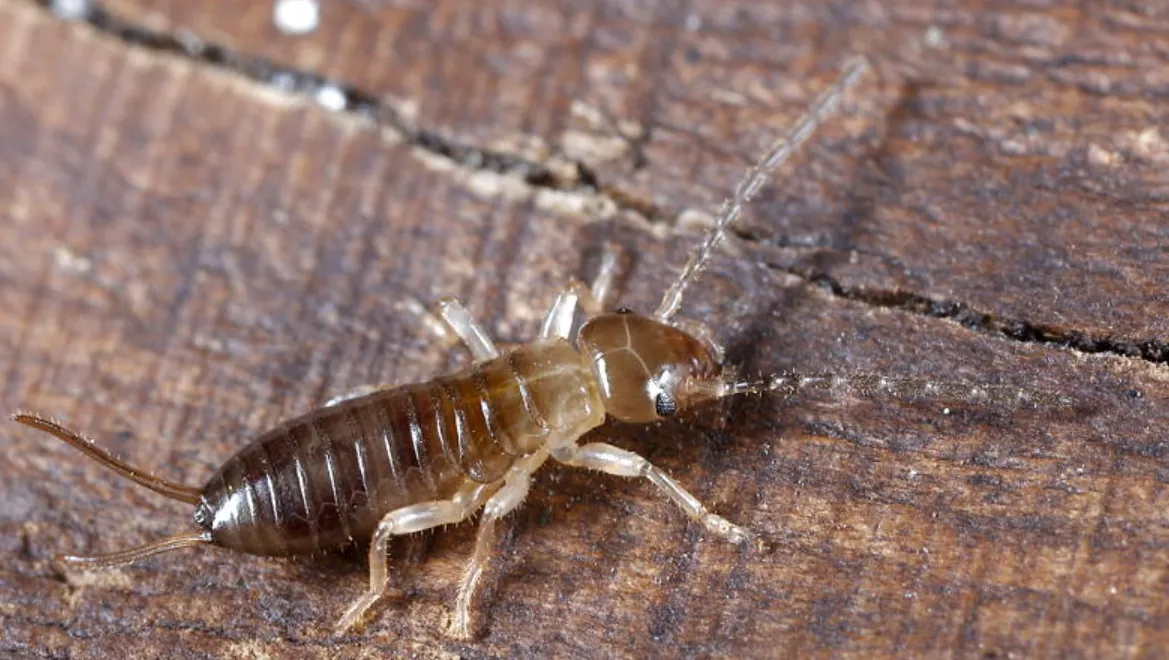
The earwig life cycle is a fascinating example of incomplete metamorphosis, meaning an earwig bug does not pass through a pupal stage like butterflies or beetles. Instead, it develops through three main biological stages: egg, nymph, and adult. For easy understanding, the nymphal period can be divided into early and late growth phases, as young earwigs molt several times before becoming mature adults.
Most common earwigs, especially the European earwig or Forficula auricularia, are nocturnal insects. They hide during the day in dark, moist places such as mulch, leaf litter, soil cracks, bark, stones, and garden debris. At night, they come out to feed on decaying plant matter, fungi, soft plant tissue, small insects, mites, aphids, and insect eggs. Extension sources note that earwigs can be both garden pests and beneficial predators, depending on their population level and food availability.
One of the most unusual things about the earwig life cycle is maternal care. Female earwigs guard their eggs, clean them to reduce fungal growth, and protect the young after hatching. This behavior is rare among many insects and makes earwigs especially interesting in insect biology.
Quick Answers: Most Common Questions
Q: What is an earwig?
A: An earwig is a small, flattened, nocturnal insect from the order Dermaptera, recognized by its forceps-like pincers at the end of the abdomen.
Q: How many stages are in the earwig life cycle?
A: Scientifically, the earwig life cycle has three main stages: egg, nymph, and adult. For practical learning, the nymph stage is often divided into early and late nymph phases.
Q: Do earwigs bite humans?
A: An earwig bite is very uncommon. Earwigs may pinch if trapped or handled, but they are not venomous and do not normally attack people. UC IPM notes they generally do not attack humans.
Quick Life Cycle Table
| Life Phase | What Happens | Typical Details |
| Egg Stage | A female lays eggs in a protected soil chamber | Clutches often contain about 30–60 eggs in underground nests |
| Early Baby Earwig Stage | Eggs hatch into pale nymphs | Young stay near the mother and may return to the nest |
| Late Nymph Stage | Nymphs molt and grow | European earwigs commonly pass through four nymphal instars |
| Adult Stage | Mature earwigs mate and reproduce | Adults are active mainly at night and often overwinter in soil cells |
Washington State University reports that European earwig eggs are small, oval, pearly white, and usually occur in clutches of 30–60 in underground nests.
The History Of Their Scientific Naming, Evolution, and Their Origin
Scientific Name and Meaning
Earwigs belong to the insect order Dermaptera. The name comes from Greek roots: derma, meaning skin, and ptera, meaning wings. This refers to the short, leathery forewings that cover the folded hind wings. NC State Extension describes Dermaptera as “skin wings,” linked to the thickened forewings.
Common Name Origin
The word earwig comes from old beliefs and observations. A popular myth claims that earwigs enter human ears, but this is not normal behavior. Some experts connect the name to the shape of their folded hind wings, which can resemble a human ear when opened.
Evolution and Origin
Earwigs are ancient insects with a long evolutionary history. They are part of the larger group of insects with chewing mouthparts and incomplete metamorphosis. The common European earwig, Forficula auricularia, is native to Europe and parts of western Asia and has spread widely through human trade and movement. CABI identifies the European earwig as native to large parts of Europe and western Asia, as far east as western Siberia.
Their Reproductive Process, Giving Birth And Rising Their Children
Mating and Nest Preparation
The reproductive process of an earwig bug usually begins in the fall. Male and female earwigs may stay together in a small underground nest through winter. These nests are often made in protected soil, under debris, or in moist crevices.
When spring approaches, the female often pushes the male away and prepares the nest for eggs. The nest protects the eggs from drying, predators, cold, and fungal attack.
Egg Laying Process
Female earwigs do not give live birth. They reproduce by laying eggs. The eggs are usually oval, light-colored, and placed in a soil chamber. Depending on species and conditions, a female may lay dozens of eggs.
Cornell Cooperative Extension reports that female earwigs may lay 50–80 eggs and can have one to two broods in a season.
Mother Earwig Care
Female earwigs are unusually protective mothers. They clean and reposition eggs, guard the nest, and protect the young nymphs after hatching. This reduces fungal growth and increases survival.
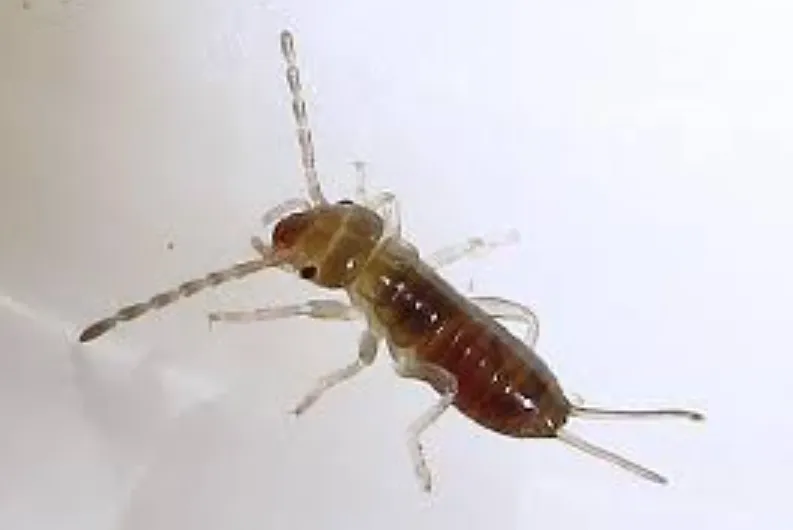
After hatching, the baby earwig looks like a smaller, paler version of the adult. It has no fully developed wings and must molt several times before maturity.
Raising Their Children
The mother may continue caring for young nymphs until they can forage independently. Early nymphs may leave the nest at night and return during the day. Later, they become more independent and move into soil, mulch, and plant canopies.
Stages of the Earwig Life Cycle
Stage 1: Egg Stage
The first stage of the earwig life cycle begins when the female lays eggs in a hidden soil chamber. The nest is usually moist, dark, and protected. This is important because earwig eggs can dry out or become infected by fungi if left exposed.
The mother does not abandon the eggs. She guards them, cleans them, and moves them if they become scattered. This egg-care behavior is one reason earwigs are studied in social insect biology.
Stage 2: Early Nymph or Baby Earwig Stage
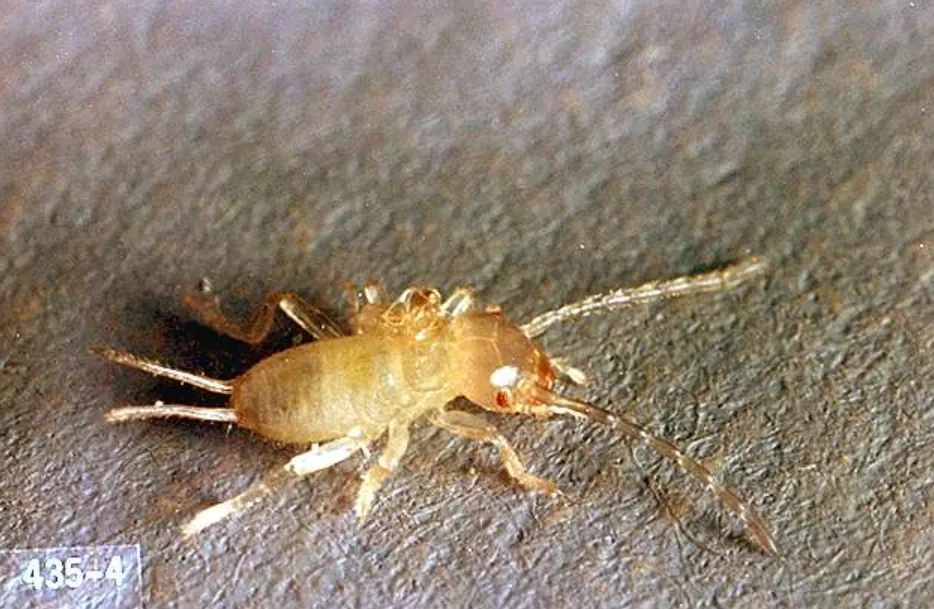
After hatching, the young are called nymphs. A baby earwig looks similar to an adult but is smaller, softer, paler, and wingless. Its pincers are also smaller and straighter.
Early nymphs remain close to the nest. They are vulnerable to predators, drying, and starvation, so maternal protection is important. UC IPM notes that the first young nymphs stay protected and fed by the mother until after their first molt.
Stage 3: Late Nymph and Molting Stage
As nymphs grow, they molt. Molting means they shed their outer body covering so a larger body can develop. European earwigs commonly have four nymphal instars, while some sources describe four to five molts depending on species and conditions.
During this phase, the nymphs become darker, stronger, and more independent. They begin foraging more actively at night and gradually stop returning to the nest.
Stage 4: Adult Earwig Stage
The adult stage is the reproductive stage. Adult earwigs have a flattened body, chewing mouthparts, antennae, and strong pincers called cerci. Males usually have more curved pincers, while females often have straighter pincers.
Adults feed, hide, mate, and prepare for overwintering. In many temperate areas, there is usually one generation per year, though some females may produce a second brood in favorable conditions.
Important Things That You Need To Know
Many people search for terms like earwig, earwig bug, earwig control, earwig traps, earwig bite, baby earwig, and what is an earwig because this insect often appears suddenly in gardens, bathrooms, basements, and damp outdoor spaces.
The first important thing to know is that an earwig is not as dangerous as it looks. Its pincers can seem scary, but they are mostly used for defense, holding prey, mating behavior, and folding wings. An earwig bite is not a major medical concern because earwigs are not venomous.
The second point is that the earwig bug can be both helpful and harmful. In gardens, it may eat aphids, insect eggs, mites, and decaying plant material. However, when numbers are high, it may chew irregular holes in seedlings, flowers, soft fruit, and corn silk.
The third point is about earwig control. The best control method is usually habitat management, not heavy pesticide use. Reducing excess moisture, removing hiding debris, thinning mulch, and sealing home entry points can reduce earwig problems.
The fourth point is that earwig traps can work well. Rolled newspaper, cardboard tubes, boards, or small oil traps can collect earwigs overnight. The next morning, trapped insects can be removed from problem areas.
Finally, earwig and the witch is a popular media phrase, but it is not related to earwig biology. For insect information, focus on the real earwig life cycle, habitat, diet, and behavior.
Their Main Diet, Food Sources, And Collection Process Explained
Earwigs are omnivores, meaning they eat both plant and animal material. Their diet varies with season, habitat, moisture, and available food.
Main Diet Sources
Earwigs commonly feed on:
- Decaying plant matter
- Dead insects
- Fungi and algae
- Soft plant shoots
- Flower petals
- Fruit tissue
- Aphids
- Mites
- Insect eggs
- Small caterpillars
University of Minnesota Extension notes that earwigs feed on damaged and decaying plant matter, weakened or dead insects, other small organisms, and sometimes healthy plant material.
How Earwigs Collect Food
Earwigs collect food mainly at night. They leave their hiding places after dark and search damp soil, mulch, plant stems, flowers, and fruit surfaces. Their flattened bodies help them move through narrow cracks and tight shelters.
They use chewing mouthparts to scrape, cut, or chew food. Their pincers help with defense and sometimes with handling prey.
Garden Feeding Behavior
In gardens, earwigs may be seen in flowers, folded leaves, damaged fruit, and mulch. They often feed on already damaged fruit, but in high numbers, they can damage seedlings, soft fruits, and blossoms.
Because they also eat pests such as aphids, earwigs should not always be treated as enemies. A small population can support natural pest control.
How Long Does an Earwig’s Life Cycle Last
The lifespan of an earwig depends on species, climate, food, moisture, predators, and whether it lives outdoors or indoors. For common garden earwigs, especially the European earwig, a typical life cycle lasts about one year.
- Most earwigs live for about 1 year. Cornell Cooperative Extension states that the earwig lives about a year after hatching.
- The egg stage may last days to weeks, depending on conditions. Some extension sources describe eggs hatching in about a week, while other observations show longer development under cooler seasonal conditions.
- The nymph stage often lasts several weeks. Nymphs molt several times before becoming adults. Under favorable conditions, young earwigs may mature in about 50–70 days.
- Adults are usually active from late spring or summer through fall. In colder regions, adults may overwinter in soil chambers and reproduce when conditions improve.
- Indoor earwigs usually do not live long. Homes are often too dry and lack suitable food, nesting places, and moisture. University of Minnesota Extension notes that earwigs do not reproduce indoors and are mainly nuisance insects inside buildings.
- Outdoor survival depends heavily on moisture. Earwigs prefer dark, damp shelters. Very dry, hot, or cold conditions can reduce activity or drive them indoors.
- Predators reduce their lifespan in nature. Birds, spiders, beetles, frogs, toads, centipedes, parasitic flies, and other predators may feed on earwigs.
- Human control also affects lifespan. Removing hiding places, using traps, sealing entry points, and reducing surface moisture can lower survival around homes.
- Food availability matters. In gardens with mulch, flowers, aphids, soft fruit, and decaying vegetation, earwigs may survive better.
- Maternal care improves early survival. Egg cleaning, guarding, and nest protection can help more young earwigs reach the nymph stage.
Overall, the earwig life cycle is short but efficient. Earwigs grow quickly, reproduce seasonally, and survive best where moisture, shelter, and food are available.
Earwig Life Cycle Lifespan in the Wild vs. in Captivity
Lifespan in the Wild
In the wild, earwigs usually live close to one year, though survival varies. Outdoor earwigs face predators, weather changes, fungal threats, food shortages, and human disturbance.
They survive best in moist, protected habitats such as leaf litter, mulch, compost, rotting wood, bark, soil cracks, and dense plant growth. Wild earwigs may overwinter in soil cells, then become more active when temperatures rise.
Lifespan in Captivity
In captivity, earwigs may live long enough to complete their life cycle if given proper moisture, food, hiding places, and soil. However, they are sensitive to drying out. A dry container can kill them quickly.
Captive care must include a damp—not flooded—substrate, hiding material, and a mixed diet of decaying leaves, soft fruit, and small insects. Without proper conditions, captive earwigs may die sooner than wild ones.
Main Difference
The wild offers natural food and seasonal cues, but also predators. Captivity removes many predators but can fail if humidity, soil, and diet are poor.
For most people, keeping earwigs is unnecessary. Observing them outdoors is better for both the insect and the ecosystem.
Importance of the Earwig Life Cycle In This Ecosystem
Natural Decomposers
Earwigs help break down dead leaves, decaying plant material, fungi, and dead insects. This supports nutrient recycling in soil. Their feeding helps return organic matter to the ecosystem.
Predators of Small Pests
Earwigs can eat aphids, mites, insect eggs, and small larvae. UC IPM notes that European earwigs can be voracious feeders on soft-bodied insects such as aphids and insect eggs and may provide biological control in some situations.
Food for Other Animals
Earwigs are prey for birds, amphibians, reptiles, spiders, beetles, and small mammals. This makes them part of the food web.
Soil and Garden Balance
A balanced earwig population can support garden health. Too many earwigs may damage seedlings and soft fruit, but small populations often help clean up decaying matter and reduce pest insects.
Indicator of Moisture Conditions
Large numbers of earwigs often indicate damp shelter, heavy mulch, poor drainage, or excessive organic debris. Their presence can help gardeners understand where moisture and hiding places are accumulating.
What To Do To Protect Them In Nature And Save The System For The Future
1. Protect Natural Leaf Litter in Safe Areas
- Keep some leaf litter under trees, shrubs, or wild garden corners.
- This gives earwigs and other decomposers shelter.
- Do not remove every natural hiding place from non-problem areas.
2. Avoid Unnecessary Pesticides
- Use chemical control only when damage is serious.
- Earwigs can help control aphids and insect eggs.
- Broad pesticide use may harm beneficial insects and predators.
3. Support Balanced Garden Habitats
- Grow mixed plants instead of a single crop.
- Encourage birds, ground beetles, spiders, and other natural predators.
- A diverse garden prevents one insect from taking over.
4. Manage Moisture Responsibly
- Keep drainage healthy.
- Avoid overwatering.
- Use mulch wisely, keeping it thinner near house foundations.
5. Use Humane or Low-Impact Control First
- Use earwig traps, such as rolled newspapers or cardboard tubes, in problem areas.
- Move trapped earwigs away from sensitive seedlings when possible.
- Seal home entry points instead of relying only on insecticides.
These steps protect the ecosystem while still reducing unwanted earwig problems around homes and gardens.
Fun & Interesting Facts About Earwig Life Cycle
- Earwigs are caring mothers. Female earwigs guard, clean, and protect their eggs, which is uncommon among many insects.
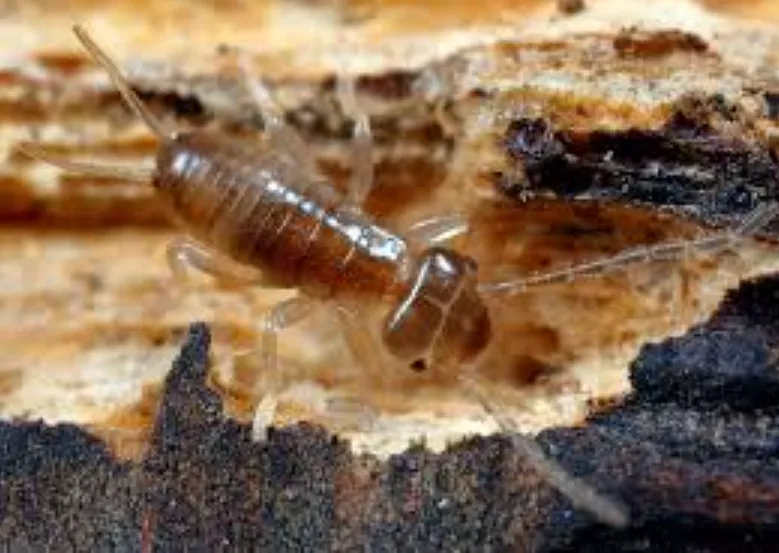
- A baby earwig looks like a tiny adult. Because earwigs have incomplete metamorphosis, there is no caterpillar or pupa stage.
- Their pincers are called cerci. Males often have curved pincers, while females usually have straighter ones.
- Earwigs are mostly nocturnal. They hide during the day and search for food at night.
- They are not naturally interested in human ears. The old myth about earwigs crawling into ears is not typical of their behavior.
- Some earwigs have wings but rarely fly. Their hind wings fold in a complex way under short forewings.
- They can smell bad when disturbed. Some earwigs release defensive odors from glands.
- They can be both pest and helper. They may damage seedlings, flowers, and fruit, but they also eat aphids and decaying material.
- They love moisture. Damp mulch, wet leaves, and dark cracks are ideal hiding places.
- Their life cycle is simple but effective. Egg, nymph, and adult stages allow them to grow quickly and reproduce seasonally.
Frequently Asked Questions (FAQs)
Q: What is the main earwig life cycle?
A: The main earwig life cycle includes egg, nymph, and adult stages. The nymph stage includes several molts before adulthood.
Q: What does a baby earwig look like?
A: A baby earwig looks like a smaller, paler adult. It usually has no developed wings and has smaller, straighter pincers.
Q: Are earwigs harmful to humans?
A: Earwigs are not dangerous to humans. They do not spread major diseases, do not normally bite, and are mostly nuisance insects indoors.
Q: What is the best earwig control method?
A: The best earwig control approach is reducing moisture, removing hiding debris, sealing cracks, and using simple earwig traps before considering pesticides.
Q: Do earwigs damage gardens?
A: Yes, large populations can damage seedlings, flowers, soft fruits, and corn silk. However, earwigs also eat aphids, mites, insect eggs, and decaying material, so that they can be beneficial in balanced numbers.
Final Word
The earwig life cycle is more complex and interesting than many people expect. Although earwigs are often disliked because of their pincers and sudden appearance in damp places, they play real roles in gardens and natural ecosystems. They recycle decaying matter, feed on small pests, become food for other animals, and show rare maternal care among insects.
Understanding the life cycle—from eggs to baby earwig nymphs and finally to adults—helps people manage them wisely. Instead of seeing every earwig bug as a threat, it is better to understand when they are helpful and when control is needed.
A balanced approach works best: protect natural habitats, reduce excess moisture near homes, use traps when necessary, and avoid unnecessary pesticide use. With the right knowledge, earwigs can be managed without harming the broader ecosystem.
Also Read: life cycle of the shark