The mosquito life cycle is one of the most fascinating yet impactful biological processes in nature. Mosquitoes are not just annoying insects; they play a significant role in ecosystems and are vectors of deadly diseases. Understanding the life cycle of mosquitoes helps scientists, researchers, and the general public manage mosquito populations and reduce health risks.
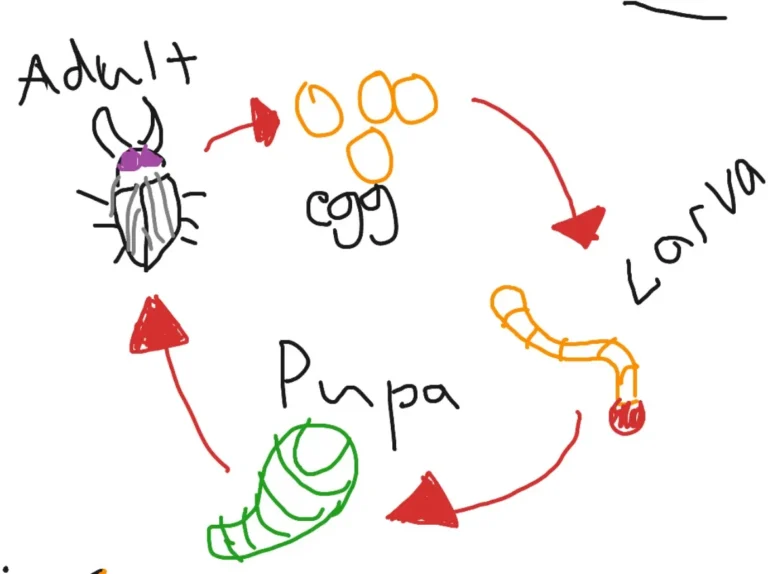
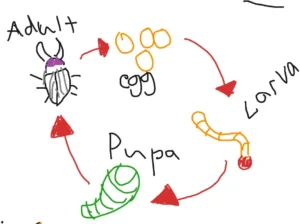
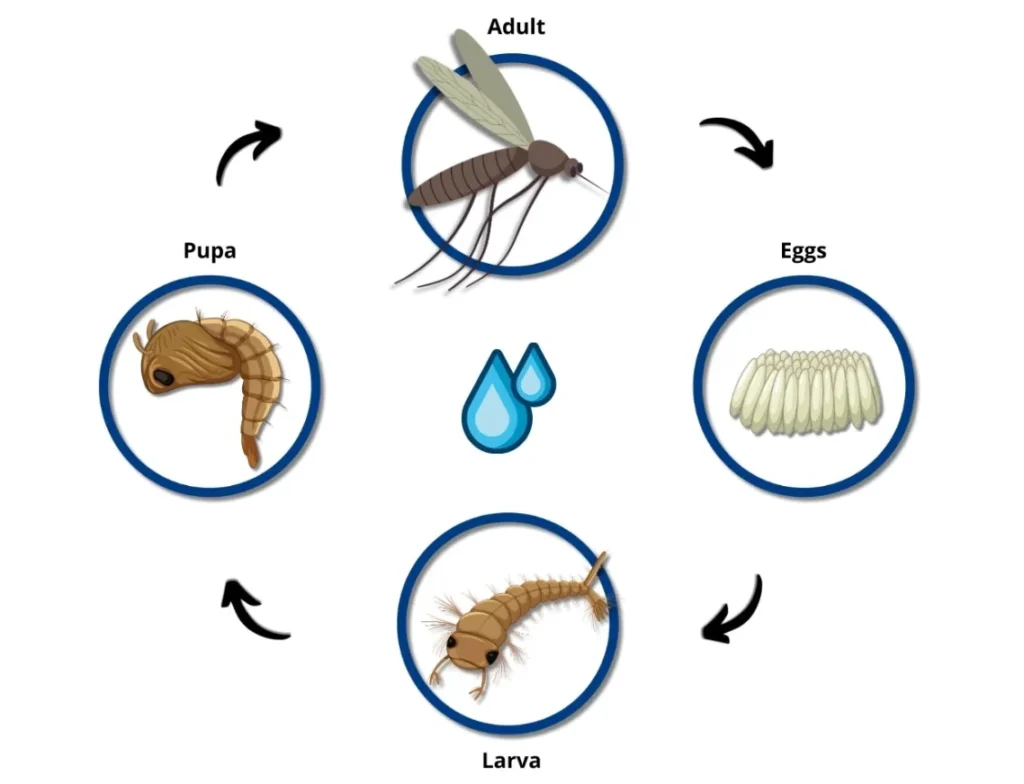
The mosquito life cycle consists of four distinct stages: egg, larva, pupa, and adult. Each stage occurs in either water or the air, making mosquitoes highly adaptable to different environments. This adaptability is why they are found almost everywhere in the world, from tropical regions to colder climates.
By studying the life cycle of mosquitoes, we can better understand how they grow, reproduce, and survive. This knowledge is essential for controlling mosquito populations and preventing diseases such as malaria, dengue, and Zika.
Quick Answers (Most Common Questions)
1. What are the 4 stages in the cycle of the mosquito?
Egg → Larva → Pupa → Adult.
2. How long does the mosquito’s life cycle take?
Typically 7–14 days, depending on temperature and environment.
3. Where do mosquitoes lay eggs?
In stagnant water such as ponds, puddles, containers, or wetlands.
Quick Life Cycle Table
| Stage | Duration | Habitat | Key Characteristics |
| Egg | 1–3 days | Water surface | Laid in clusters or individually |
| Larva | 5–10 days | Water | Active feeding stage (“wigglers”) |
| Pupa | 1–3 days | Water | Non-feeding, transformation stage |
| Adult | 1–2 weeks | Air/land | Flying insect, reproduction stage |
The History Of Their Scientific Naming
The scientific classification of mosquitoes has evolved significantly over time. Scientists have studied these insects for centuries due to their medical importance.
- The term “mosquito” comes from Spanish, meaning “little fly.”
- Mosquitoes belong to the family Culicidae.
- Early classification began in the 18th century with Carl Linnaeus, who categorized insects based on physical traits.
- Today, there are over 3,500 known mosquito species, classified into genera such as Anopheles, Aedes, and Culex.
- Anopheles species are known for transmitting malaria.
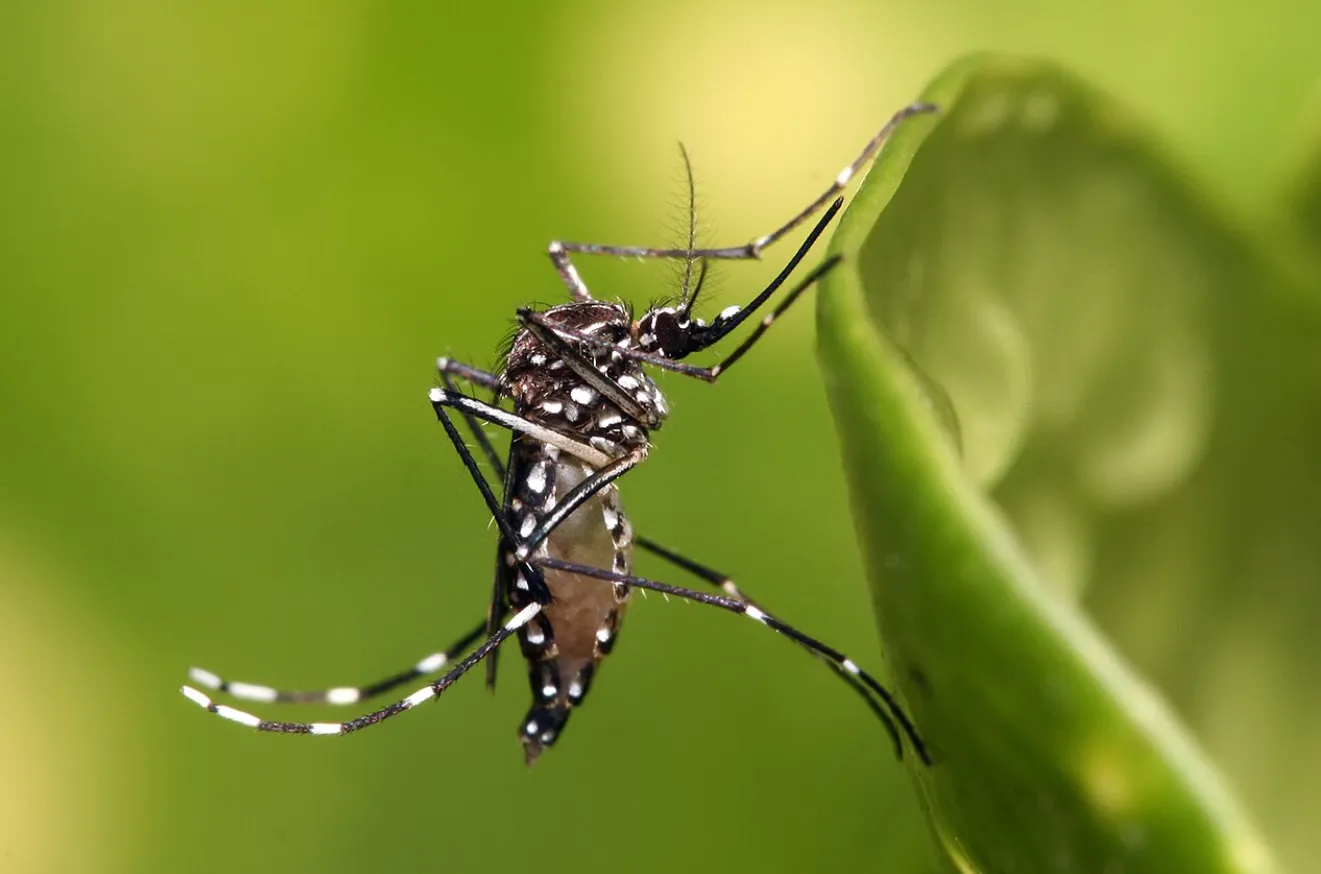
- Aedes aegypti transmits dengue and Zika viruses.
- Modern taxonomy uses genetic analysis alongside morphology.
- Scientists continue to discover new species and refine classifications.
This scientific naming system helps researchers accurately identify mosquito species, which is crucial for disease control and ecological studies.
Their Evolution And Their Origin
Mosquitoes have an ancient lineage that dates back over 100 million years, during the Cretaceous period. Fossil evidence shows that early mosquitoes existed alongside dinosaurs.
These primitive mosquitoes were preserved in amber, revealing that their body structure has remained surprisingly consistent over time. This indicates that mosquitoes are highly efficient survivors.
Initially, mosquitoes likely evolved from non-biting flies. Over time, some species developed specialized mouthparts for piercing skin and sucking blood. This adaptation allowed female mosquitoes to obtain the protein necessary for egg production.
The evolution of mosquitoes is closely tied to environmental changes. As flowering plants and vertebrate animals diversified, mosquitoes found abundant food sources. Their ability to lay eggs in water gave them an ecological advantage.
Different mosquito species evolved to adapt to specific habitats:
- Tropical mosquitoes thrive in warm, humid climates.
- Some species survive in cold regions by entering dormant stages.
- Urban mosquitoes adapt to artificial water sources, such as containers.
Their evolutionary success lies in:
- Rapid reproduction
- Short life cycle
- Ability to transmit diseases
- Adaptation to human environments
Today, mosquitoes are found on every continent except Antarctica. Their long evolutionary history highlights their resilience and adaptability.
Their Main Food and Its Collection Process
Mosquitoes have a unique feeding behavior that differs between males and females.
Main Food Sources
- Male mosquitoes feed primarily on nectar and plant juices.
- Female mosquitoes also consume nectar but require blood meals for egg development.
How They Collect Food
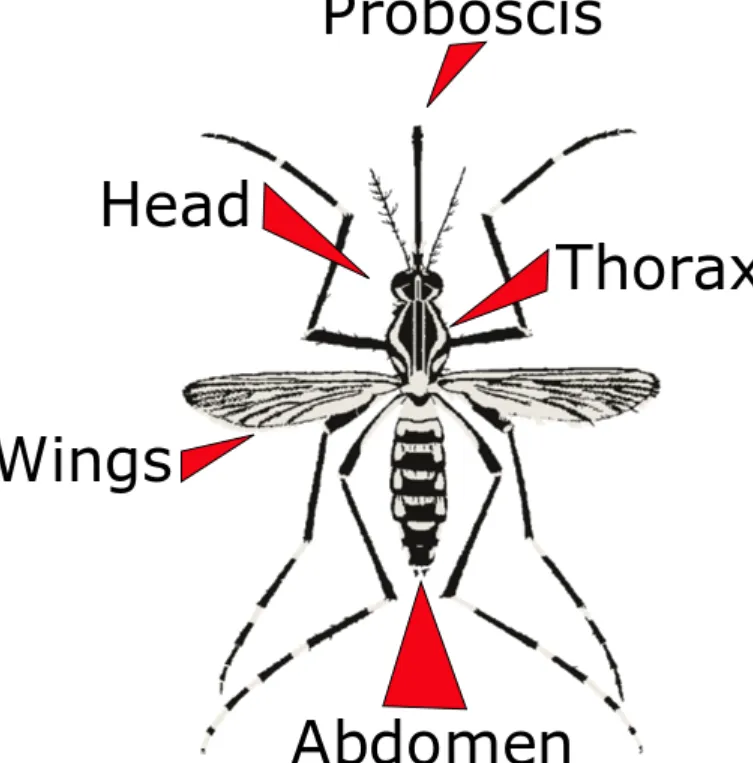
- Females use specialized mouthparts called proboscises to pierce the skin.
- They detect hosts using carbon dioxide, body heat, and scent.
- Once they land, they inject saliva to prevent blood clotting.
- Blood is then sucked into their body for nutrient extraction.
Types of Hosts
- Humans
- Birds
- Mammals
- Amphibians
Feeding Behavior
- Most mosquitoes are active during dawn and dusk.
- Some species, like Aedes aegypti, bite during the day.
Nutritional Needs
- Sugar provides energy for flight.
- Blood provides protein for egg production.
This dual-feeding strategy enables mosquitoes to survive and reproduce effectively across diverse environments.
Important Things That You Need To Know
The mosquito life cycle, especially when studied through diagrams, reveals critical insights into its growth and survival.
Understanding the mosquito’s life cycle helps identify control points where intervention is possible. For example, eliminating standing water can prevent larval development.
The mosquito‘s life cycle is highly dependent on environmental conditions such as temperature, humidity, and water availability. Warmer climates accelerate development, while colder conditions slow it down.
A detailed life cycle diagram of a mosquito shows how each stage transitions smoothly into the next. The larval stage is particularly important because it is when mosquitoes grow rapidly by feeding on microorganisms.
By studying the mosquito’s life cycle, scientists can design more effective mosquito control programs. For instance, targeting larvae with biological agents is more effective than trying to eliminate adults.
Overall, the mosquito‘s life cycle is a perfect example of nature’s efficiency and adaptability. Recognizing its patterns helps humans reduce risks and maintain ecological balance.
Their Life Cycle and Ability to Survive in Nature
Egg Stage
Female mosquitoes lay eggs on water surfaces or damp areas. Some species lay eggs in clusters called rafts.
Larval Stage
Larvae, also known as “wigglers,” live in water and feed on microorganisms. They molt several times as they grow.
Pupal Stage
The pupa is a transitional stage. It does not feed; instead, it transforms into an adult mosquito.
Adult Stage
Adults emerge from water and begin flying within hours. Females seek blood meals, while males feed on nectar.
Mosquitoes survive due to:
- Rapid life cycle
- High reproductive rate
- Adaptability to different environments
- Ability to exploit small water sources
Their survival skills make them one of the most successful insects on Earth.
Their Reproductive Process and Raising Their Children
Mosquito reproduction is closely linked to their life cycle.
- Mating usually occurs shortly after adulthood.
- Male mosquitoes form swarms to attract females.
- Females store sperm for multiple egg-laying cycles.
- After a blood meal, females develop eggs.
- Eggs are laid in water or moist environments.
Raising Their Young
- Mosquitoes do not provide parental care.
- Eggs hatch independently into larvae.
- Larvae feed and grow without assistance.
- Survival depends on environmental conditions.
Reproductive Efficiency
- A single female can lay hundreds of eggs.
- Multiple breeding cycles occur in a lifetime.
This high reproductive rate ensures the continued growth of mosquito populations.
Importance of Them in this Ecosystem
Pollination
Mosquitoes help pollinate plants while feeding on nectar.
Food Source
They serve as food for:
- Fish
- Birds
- Frogs
- Insects
Nutrient Cycling
Larvae contribute to nutrient recycling in aquatic ecosystems.
Biodiversity
Mosquitoes support ecological balance by being part of the food chain.
Despite their negative impact on humans, mosquitoes play essential roles in maintaining ecosystem health.
What to Do to Protect Them in Nature and Save the System for the Future
- Preserve natural wetlands and aquatic habitats
- Avoid unnecessary pesticide use
- Promote eco-friendly mosquito control methods
- Maintain biodiversity to balance mosquito populations
- Support research on mosquito ecology
- Educate communities about sustainable practices
- Reduce pollution in water bodies
- Encourage natural predators like fish and birds
- Protect ecosystems where mosquitoes play a role
- Use biological control instead of harmful chemicals
Balancing mosquito control with ecological preservation is crucial for sustainability.
Frequently Asked Questions (FAQs)
1. What is the cycle of mosquito life?
It includes egg, larva, pupa, and adult stages.
2. How long do mosquitoes live?
Typically 1–2 weeks, but some can live longer.
3. Do all mosquitoes bite humans?
No, only females bite for blood meals.
4. Can mosquitoes survive without water?
No, their early stages require water.
5. Why are mosquitoes important?
They support ecosystems and food chains.
6. How can we control mosquito populations?
By removing standing water and using eco-friendly methods.
7. What diseases do mosquitoes spread?
Malaria, dengue, Zika, chikungunya, and more.
8. Are mosquitoes found worldwide?
Yes, except in extremely cold regions like Antarctica.
Conclusion
The mosquito life cycle is a remarkable biological process that demonstrates nature’s efficiency and adaptability. From eggs laid in water to flying adults, each stage plays a vital role in their survival and reproduction.
Understanding the life cycle of mosquitoes not only helps control their population but also highlights their importance in ecosystems. While mosquitoes are known for spreading diseases, they also contribute to pollination, serve as food for many species, and help maintain ecological balance.
By studying the mosquito’s life cycle, scientists and communities can develop more effective strategies to manage its impact without harming the environment. Sustainable approaches, awareness, and ecological preservation are key to maintaining this balance.
Also Read: mayfly life cycle