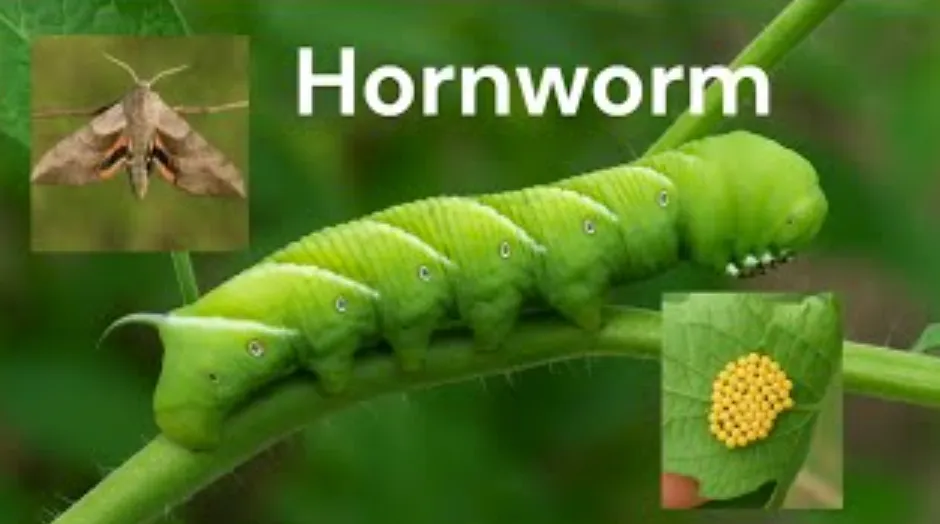
The hornworm life cycle is one of the most fascinating transformations in the insect world. These large green caterpillars—commonly known as tomato or tobacco hornworms—go through a complete metamorphosis that includes egg, larva, pupa, and adult moth stages. Understanding their life cycle helps gardeners manage infestations while also appreciating their ecological role.
Hornworms, especially the tomato hornworm caterpillar, are known for their rapid growth and ability to consume large amounts of plant foliage. Within just a few weeks, they can grow from tiny hatchlings into thick-bodied larvae capable of stripping entire plants. Despite their reputation as pests, they are also an important part of the ecosystem.
Quick Answers (Most Common Questions)
1. What is the life cycle of a hornworm?
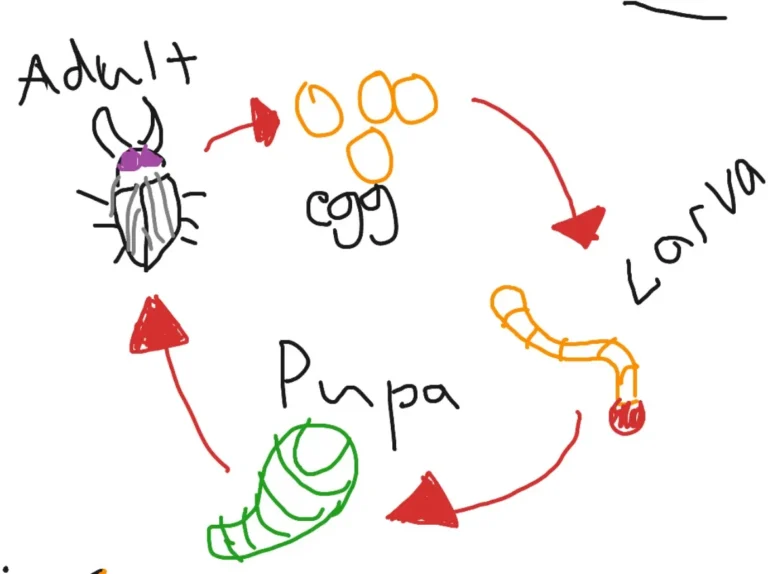
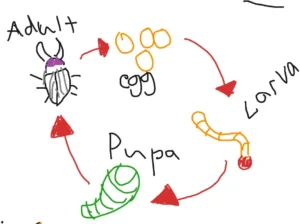
Hornworms go through four stages: egg → larva (caterpillar) → pupa → adult moth.
2. How long does the hornworm life cycle take?
Typically, 30–50 days depending on temperature and environmental conditions.
3. Should I kill tomato hornworms?
If they are damaging crops, yes. However, they can also be beneficial in small numbers within the ecosystem.
Quick Life Cycle Table
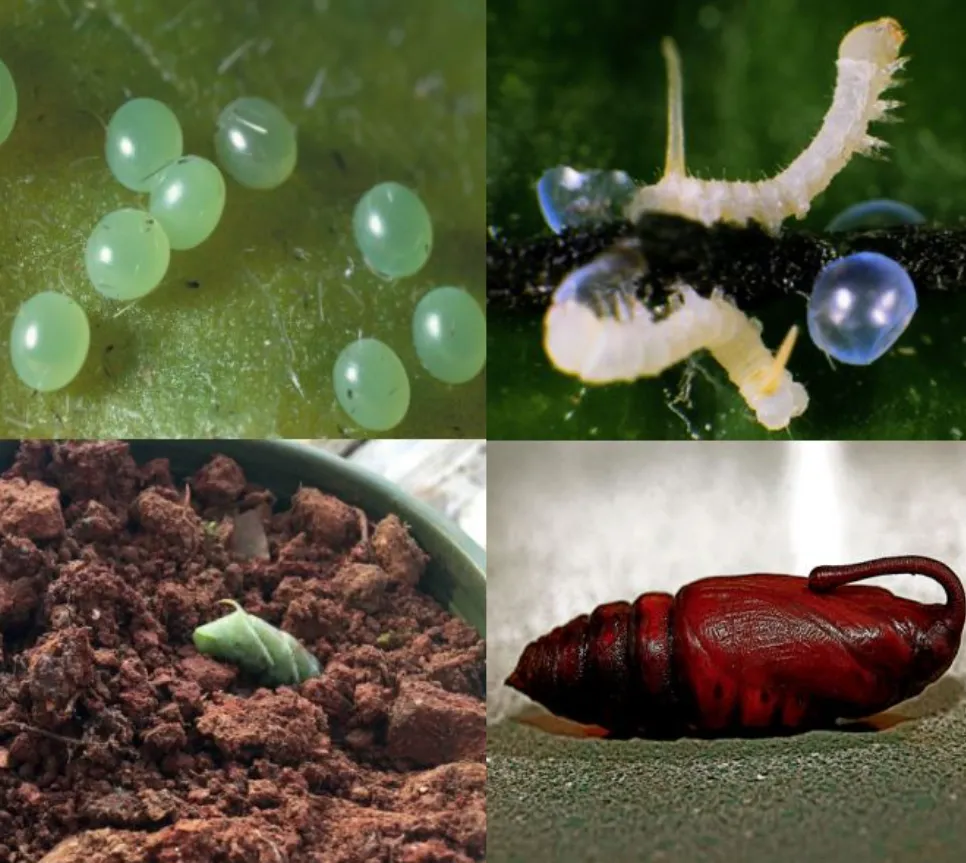
| Stage | Duration | Description |
| Egg | 3–5 days | Tiny green eggs are laid on leaves |
| Larva (Caterpillar) | 2–4 weeks | Rapid growth, heavy feeding stage |
| Pupa | 2–3 weeks (or overwinter) | Transformation inside the soil |
| Adult Moth | 1–2 weeks | A pollinator known as the sphinx or hawk moth |
The History Of Their Scientific Naming
The hornworm belongs primarily to two species: Manduca sexta (tobacco hornworm) and Manduca quinquemaculata (tomato hornworm). Their scientific naming has an interesting background:
- Manduca comes from Latin, meaning “chewer,” reflecting their strong feeding behavior.
- Manduca sexta was first classified in the 18th century by Carl Linnaeus, a pioneer of modern taxonomy.
- The species name “sexta” refers to the six visible abdominal spots.
- Manduca quinquemaculata means “five-spotted,” referring to distinct markings on its body.
- These species belong to the Sphingidae family, known for their fast-flying moths.
- The adult stage is often called the hornworm moth or hawk moth due to its hovering flight like a hummingbird.
Their classification has evolved with modern genetic research, confirming their close relation to other sphinx moths worldwide.
Their Evolution And Their Origin
Hornworms have a long evolutionary history tied to flowering plants, especially those in the nightshade family (Solanaceae). Fossil records suggest that their ancestors existed millions of years ago, evolving alongside plants like tobacco and tomatoes.
These insects developed specialized adaptations over time:
- Camouflage coloration: Their bright green bodies help them blend with leaves, protecting them from predators.
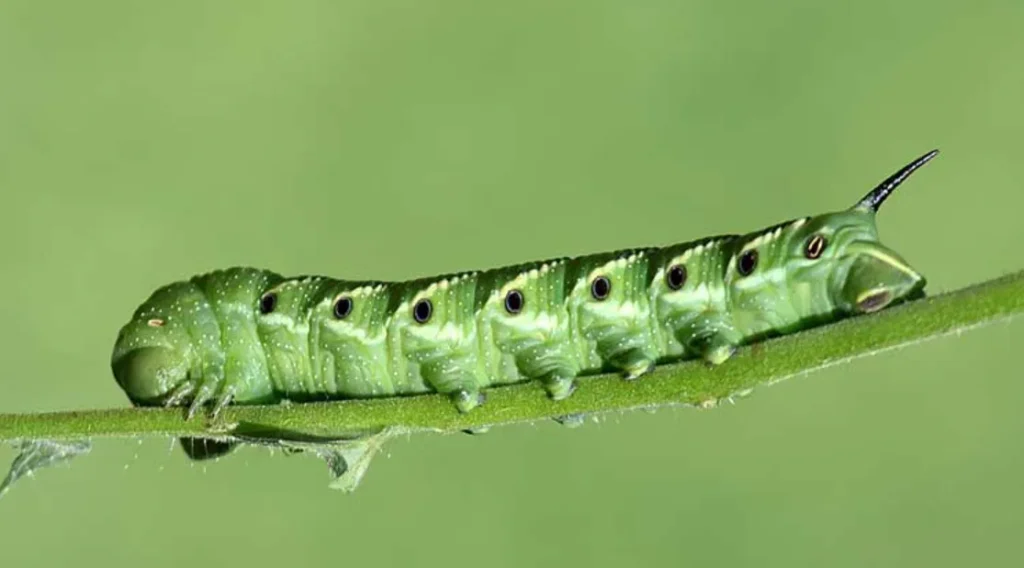
- Defensive horn: The signature “horn” at the rear is not harmful but serves as a deterrent.
- Rapid growth ability: Evolution favored larvae that could grow quickly and consume large amounts of food.
Geographically, hornworms originated in the Americas. Today, they are widely found across North and South America, especially in warm climates.
Their evolution is closely linked to plant chemistry. Many hornworms can tolerate toxic compounds found in host plants like tobacco. This adaptation gives them an advantage over other herbivores.
Interestingly, the adult moth stage evolved to become an efficient pollinator. Their long proboscis allows them to feed on nectar from deep flowers, contributing to plant reproduction.
This dual role—as both plant consumers and pollinators—shows how evolution has shaped hornworms into an important ecological species.
Their Main Food and Its Collection Process
Hornworms are herbivores and are particularly attracted to plants in the nightshade family. Their feeding habits are both impressive and destructive.
Main Food Sources
- Tomato plants
- Tobacco plants
- Eggplant
- Potato leaves
- Pepper plants
Collection Process (Feeding Behavior)
- Strong mandibles: Hornworm caterpillars use powerful jaws to chew leaves rapidly.
- Continuous feeding: They eat almost constantly during the larval stage.
- Nocturnal activity: They are more active at night, reducing predation risk.
- Leaf stripping: Large infestations can defoliate entire plants.
- Water intake: They get moisture directly from plant tissues.
Hornworms can consume up to several times their body weight daily. Their feeding process is efficient because they convert plant material into body mass quickly.
Interestingly, their droppings (frass) often reveal their presence before the caterpillars are spotted. This helps gardeners identify infestations early.
Despite being pests, they play a role in nutrient cycling by breaking down plant material.
Their Life Cycle and Ability to Survive in Nature
The hornworm life cycle is a perfect example of complete metamorphosis. Each stage is adapted to survive under different conditions.
Egg Stage
Female moths lay eggs on the underside of leaves.
This placement protects them from predators and harsh weather.
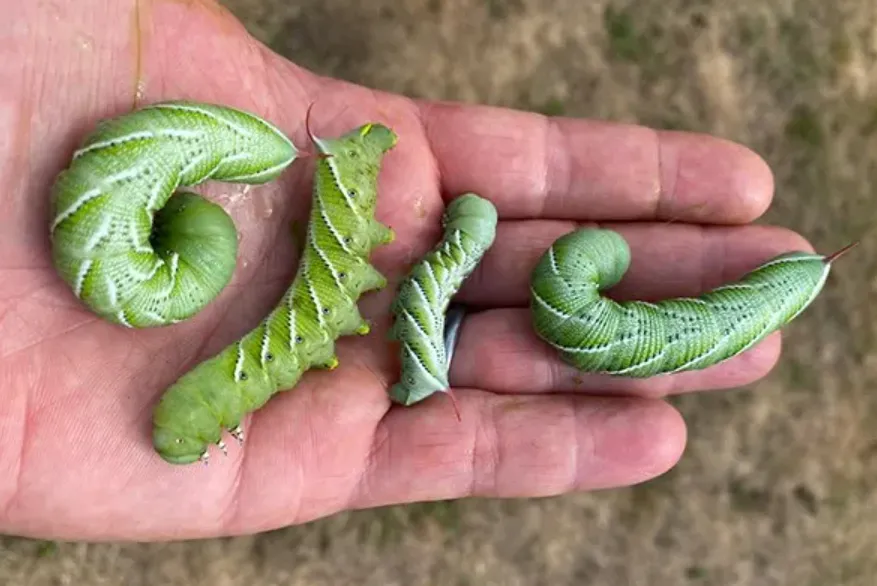
Larval Stage (Hornworm Caterpillar)
This is the most active and visible stage.
The caterpillar grows rapidly, shedding its skin multiple times.
Its green color provides excellent camouflage, helping it avoid birds and insects.
Pupal Stage
Once fully grown, the hornworm burrows into the soil.
Here, it forms a pupa and transforms.
Some pupae can survive winter conditions and emerge in spring.
Adult Stage (Hornworm Moth)
The adult moth emerges with wings and begins feeding on nectar.
It also plays a role in pollination.
Survival Abilities
- Camouflage against predators
- Chemical resistance to plant toxins
- Rapid growth to reduce vulnerability
- Ability to overwinter as pupae
These adaptations ensure the species thrives in diverse environments.
Important Things That You Need To Know
The world of hornworms includes several closely related species and terms that often confuse people. Let’s clarify some key concepts and LSI keywords.
The hornworm is commonly confused with both the tobacco hornworm and the tomato hornworm. While they look similar, they differ subtly in markings and host plants.
The tobacco hornworm (Manduca sexta) has diagonal white stripes and prefers tobacco plants. Meanwhile, the tomato hornworm life cycle closely mirrors that of its tobacco cousin but is more commonly seen on tomato plants.
The adult stage is called the hornworm moth, often mistaken for a hummingbird due to its hovering behavior. Specifically, the tomato hornworm moth has gray-brown wings and is active at dusk.
The hornworm caterpillar is the most destructive stage, capable of rapidly eating plant leaves. This leads many gardeners to ask: Should I kill tomato hornworm? The answer depends on your gardening goals. While they can damage crops, they also contribute to biodiversity.
Their Reproductive Process and Raising Their Children
Hornworms reproduce efficiently to ensure species survival.
Reproductive Process
- Adult moths mate shortly after emerging.
- Females lay hundreds of eggs individually on leaves.
- Egg placement ensures immediate access to food for larvae.
Raising Their Young
- No parental care after egg-laying.
- Larvae are independent from birth.
- High egg numbers compensate for predation losses.
- Rapid growth reduces vulnerability time.
Adaptations for Survival
- Eggs hatch quickly (within days).
- Larvae grow fast to avoid predators.
- Some pupae remain dormant until favorable conditions.
This strategy ensures that even if many offspring are lost, enough survive to continue the cycle.
Importance of Them in This Ecosystem
Hornworms are often seen as pests, but they play a vital ecological role.
Role as Pollinators
Adult moths help pollinate flowers, especially night-blooming plants.
Food Source for Predators
- Birds
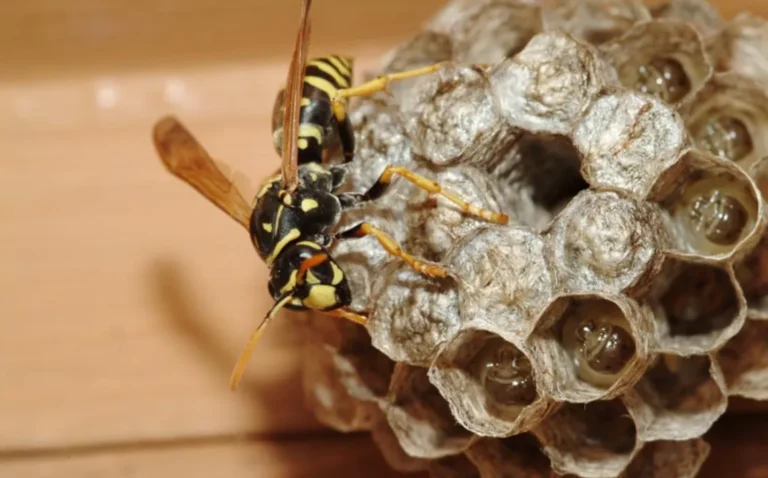
- Wasps (especially parasitic wasps)
- Small mammals
Contribution to Nutrient Cycling
Their feeding and waste help recycle nutrients back into the soil.
Indicator Species
Their presence can indicate a healthy ecosystem with balanced biodiversity.
Thus, hornworms are not just destructive insects but important contributors to ecological balance.
What to Do to Protect Them in Nature and Save the System for the Future
While managing hornworms is necessary in agriculture, protecting ecological balance is equally important.
- Avoid excessive pesticide use
- Encourage natural predators like birds and wasps
- Practice crop rotation
- Use organic pest control methods
- Maintain biodiversity in gardens
- Plant companion crops to deter overpopulation
- Leave some hornworms in wild areas
- Educate others about their ecological role
Balancing control and conservation is key to sustainable ecosystems.
Frequently Asked Questions (FAQs)
1. What does a hornworm turn into?
It becomes a hawk moth or sphinx moth.
2. How fast do hornworms grow?
They can grow to full size in 2–3 weeks.
3. Are hornworms dangerous to humans?
No, they are harmless despite their large size.
4. Why are hornworms green?
Their color helps them blend into plant leaves for protection.
5. Do hornworms bite?
They rarely bite and are not harmful.
6. What attracts hornworms?
Plants like tomatoes, tobacco, and peppers.
7. Can hornworms survive winter?
Yes, as pupae in the soil.
8. How can I naturally control hornworms?
Introduce beneficial insects like parasitic wasps.
Conclusion
The hornworm life cycle is a remarkable journey of transformation, showcasing nature’s efficiency and adaptability. From tiny eggs to massive caterpillars and finally to elegant moths, hornworms demonstrate how insects evolve to survive and thrive.
While they are often labeled as garden pests, their ecological importance cannot be ignored; they contribute to pollination, serve as food for predators, and help maintain environmental balance.
Understanding their life cycle helps gardeners make informed decisions—whether to control or conserve them. Instead of eliminating them, a balanced approach ensures both crop protection and ecosystem health.
Also Read: life cycle of monarch butterfly