The life cycle of a frog is one of the most fascinating transformations in the natural world. Frogs belong to the amphibian class, meaning they can live both in water and on land. Their life journey—from tiny eggs floating in water to fully developed adults hopping on land—is a remarkable example of metamorphosis.
Across the world, more than 7,000 frog species have been identified as of 2026, including colorful species such as the poison dart frog, the transparent-bodied glass frog, and the arboreal tree frog. Each species follows the same basic life cycle pattern but with unique adaptations that allow it to survive in diverse habitats such as rainforests, wetlands, deserts, and even urban areas.
Frogs play a critical role in ecosystems. They help control insect populations, serve as food for many animals, and act as biological indicators of environmental health. Because frogs have permeable skin that easily absorbs pollutants, scientists often study frog populations to monitor ecosystem changes and climate impacts.
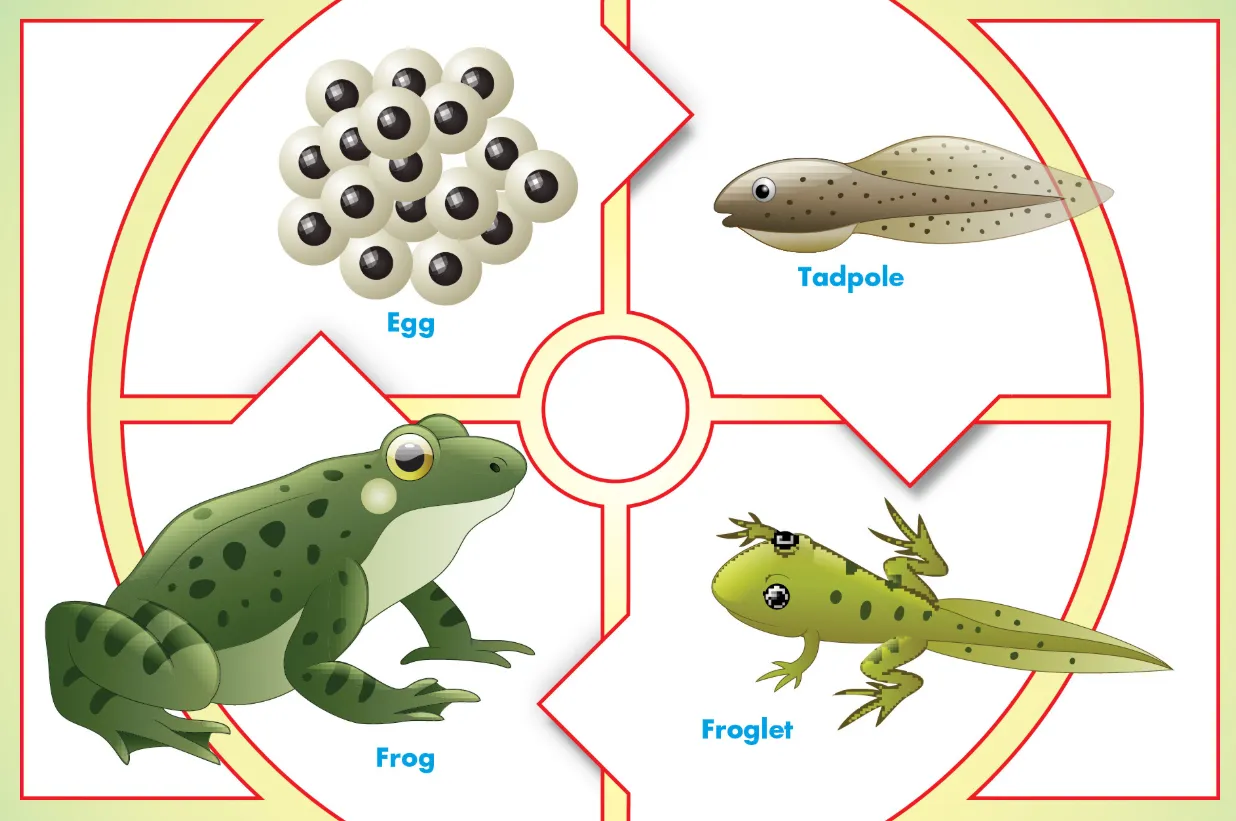
The life cycle of a frog typically includes four main stages: egg, tadpole, froglet, and adult frog. During this process, frogs undergo dramatic physical changes. Tadpoles begin life with gills and tails, living completely underwater, but eventually develop lungs and limbs as they transition to land.
This transformation has inspired countless scientific studies, environmental conservation efforts, and even cultural stories. From fairy tales like “The Princess and the Frog” to viral internet characters like Crazy Frog, frogs continue to capture human imagination.
In this detailed guide, we will explore the Frog’s evolutionary history, scientific classification, life cycle stages, reproductive strategies, survival abilities, and their importance in maintaining healthy ecosystems.
Their Evolution And Their Origin
The evolutionary history of frogs dates back more than 250 million years, making them one of the oldest surviving groups of amphibians on Earth. Fossil evidence suggests that early frog-like ancestors appeared during the Triassic period, shortly after the largest mass extinction event in Earth’s history.
One of the earliest known frog relatives is Triadobatrachus, discovered in Madagascar. This prehistoric amphibian lived approximately 250 million years ago and displayed characteristics of both modern frogs and salamanders. Although it lacked the powerful jumping legs seen in modern frogs, it showed the early structural changes that would eventually define the frog lineage.
Early Amphibian Origins
Frogs evolved from ancient tetrapod ancestors, which were early vertebrates that transitioned from water to land. These early amphibians developed limbs capable of supporting their bodies outside water, marking a major evolutionary milestone.
Over millions of years, frogs adapted to a wide variety of environments:
- Tropical rainforests
- Temperate wetlands
- Mountain ecosystems
- Semi-arid regions
This adaptability allowed frogs to diversify into thousands of species worldwide.
Evolution of Modern Frogs
Modern frogs belong to the scientific order Anura, which literally means “without tail.” Unlike their tadpole stage, adult frogs do not have tails. Their body structure evolved to support jumping, swimming, and efficient predator escape.
Several key evolutionary adaptations helped frogs thrive:
1. Powerful Hind Legs
Frogs developed long, muscular legs for jumping, which helps them escape predators and capture prey.
2. Sticky Tongues
Their tongues evolved to capture insects and small prey quickly.
3. Permeable Skin
Frog skin can absorb water and oxygen, allowing them to breathe through their skin as well as their lungs.
4. Camouflage and Toxicity
Some species, like the poison dart frog, developed bright warning colors and toxins to deter predators.
Adaptation Across Species
Today, frogs demonstrate incredible evolutionary diversity. For example:
- Tree frogs evolved sticky toe pads to climb vertical surfaces.
- Pacman frogs developed large mouths for ambush feeding.
- Glass frogs evolved transparent skin that helps camouflage them from predators.
Despite their adaptability, many frog species face threats from habitat loss, pollution, and climate change. Scientists estimate that over 40% of amphibian species are currently at risk of extinction, making frog conservation an urgent global priority.
Understanding their evolutionary journey helps us appreciate how frogs became one of the most successful amphibian groups on Earth.
The History Of Their Scientific Naming
The scientific naming of frogs follows the binomial nomenclature system, developed by Swedish botanist Carl Linnaeus in the 18th century. This system gives each species a two-part Latin name that helps scientists identify and classify organisms accurately.
Below are key points in the history of frog scientific naming:
1. Introduction of Binomial Nomenclature
- In 1758, Carl Linnaeus introduced the standardized system of naming species.
- Each organism receives a genus name and a species name.
- Example: The common Frog is scientifically called Rana temporaria.
2. Classification into the Order Anura
- Frogs and toads are grouped in the amphibian order Anura.
- The name Anura means “without tail”, referring to the adult frog’s body structure.
3. Frog vs Toad Classification
- Scientifically, frogs and toads belong to the same order.
- The terms frog and toad are mostly common distinctions based on physical traits rather than strict taxonomy.
4. Discovery of New Frog Species
- Modern scientific exploration continues to identify new frog species.
- Advances in DNA analysis and genetic sequencing have improved classification accuracy.
5. Modern Scientific Databases
- Global scientific databases, such as the Amphibian Species of the World, track frog taxonomy.
- As of 2026, scientists have recorded more than 7,000 frog species.
The scientific naming system ensures that researchers worldwide can study and communicate about frog species without confusion, regardless of language or region.
Important Things That You Need To Know
Frogs are incredibly diverse creatures. Many species have unique features that set them apart in nature and even in popular culture. Below are some fascinating examples of well-known frog types.
Poison Dart Frog
The poison dart frog is famous for its bright colors and powerful toxins. Native to Central and South America, these tiny frogs produce toxins that can deter predators.
Indigenous tribes historically used their toxins on hunting darts, which inspired the Frog’s name. Interestingly, these frogs are only toxic in the wild due to their natural diet.
Tree Frog
The tree frog is specially adapted for life in trees. Sticky toe pads allow them to climb leaves, branches, and even smooth surfaces.
Many tree frogs have bright green skin that blends perfectly with foliage, helping them avoid predators.
Pacman Frog
The pacman frog is known for its large mouth and round body. It gets its name from its resemblance to the classic arcade character Pac-Man.
These frogs are ambush predators that wait patiently for prey such as insects, small reptiles, and even other frogs.
Glass Frog
The glass frog is one of the most unique amphibians on Earth. Its translucent skin allows scientists to see its internal organs.
This adaptation helps the Frog camouflage itself among leaves in rainforest habitats.
Frogs in Culture and Media
Frogs appear frequently in pop culture and folklore:
- The Princess and the Frog – a famous fairy tale about transformation
- Crazy Frog – a popular animated character known for viral music videos
- Frog drawing – frogs are commonly used in educational illustrations and biology textbooks
These examples highlight the diversity and cultural significance of frogs worldwide.
Their Life Cycle and Ability to Survive in Nature
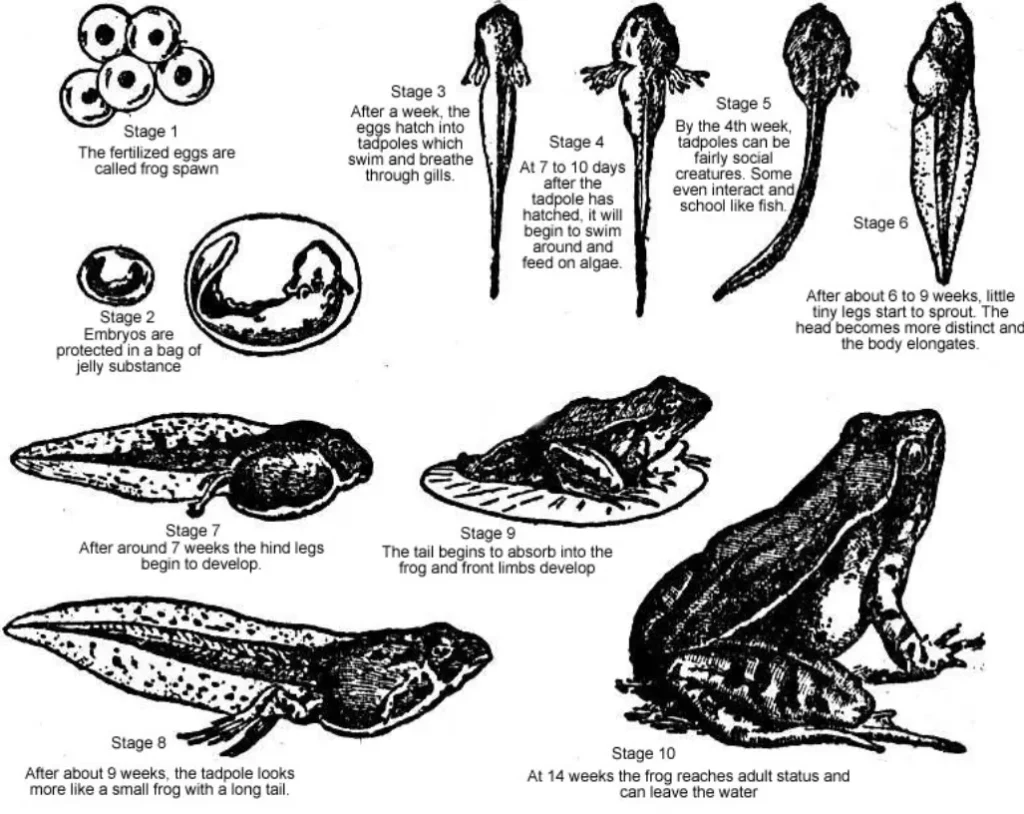
The life cycle of a frog consists of four main stages. Each stage prepares the Frog for survival in changing environments.
1. Egg Stage
Frogs begin life as eggs laid in water. Female frogs can lay hundreds or even thousands of eggs at once.
These eggs are surrounded by a jelly-like coating that protects them from predators and dehydration.
2. Tadpole Stage
Once the eggs hatch, they become tadpoles. Tadpoles resemble small fish and live entirely underwater.
Key characteristics include:
- Gills for breathing underwater
- Long tails for swimming
- Herbivorous diet consisting of algae and plant material
3. Froglet Stage
As tadpoles grow, they begin developing legs and lungs. This stage is called the froglet stage.
During this time:
- Hind legs appear first
- Front legs develop later
- The tail gradually shrinks
4. Adult Frog Stage
Eventually, the tail disappears completely, and the Frog becomes a fully developed adult.
Adult frogs:
- Breathe with lungs and skin
- Live both on land and in water
- Feed primarily on insects and small animals
This remarkable transformation allows frogs to survive in two different environments, giving them a significant ecological advantage.
Their Reproductive Process and Raising Their Children
Frogs use a variety of fascinating reproductive strategies to ensure the survival of their offspring.
1. External Fertilization
Most frogs reproduce through external fertilization.
- The female lays eggs in water.
- The male releases sperm over the eggs to fertilize them.
This process, known as amplexus, involves the male clasping the female during egg-laying.
2. Large Egg Production
Female frogs often lay hundreds or thousands of eggs to increase survival chances.
However, only a small percentage survive due to predators and environmental conditions.
3. Parental Care in Some Species
While many frogs leave their eggs unattended, some species provide parental care.
Examples include:
- Poison dart frogs carrying tadpoles on their backs
- Glass frogs guarding eggs laid on leaves above water
4. Rapid Growth
Tadpoles grow quickly to reduce vulnerability to predators.
Within a few weeks or months, they complete metamorphosis and become froglets.
5. Adaptations for Survival
Different frog species have evolved specialized reproductive methods, such as:
- Laying eggs in tree holes
- Carrying eggs in body pouches
- Depositing eggs on leaves above streams
These strategies increase the chances that at least some offspring will survive to adulthood.
Importance of Them in the Ecosystem
Frogs play a vital role in maintaining ecological balance.
1. Natural Pest Control
Frogs consume large numbers of insects such as mosquitoes, flies, and beetles.
This helps control pest populations naturally.
2. Food Source for Other Animals
Frogs serve as food for many predators, including:
- Birds
- Snakes
- Fish
- Mammals
This makes them an essential part of the food chain.
3. Environmental Indicators
Frogs are considered bioindicators.
Because their skin readily absorbs chemicals, changes in frog populations often signal environmental problems, such as pollution.
4. Scientific Research
Frogs have contributed greatly to medical and biological research.
Scientists study frog development to understand better:
- Embryology
- Genetic mutations
- Environmental impacts on wildlife
5. Biodiversity Maintenance
Healthy frog populations contribute to ecosystem stability and biodiversity.
Protecting frogs helps protect entire habitats.
Frequently Asked Questions (FAQs)
1. What are the stages in the life cycle of a frog?
The four main stages are egg, tadpole, froglet, and adult frog.
2. How long does the Frog’s life cycle take?
The full life cycle can take 6 weeks to several months, depending on the species and environmental conditions.
3. Do all frogs live in water?
No. Adult frogs usually live on land but return to water to reproduce.
4. What do tadpoles eat?
Tadpoles mostly eat algae, plant matter, and small aquatic organisms.
5. Are frogs and toads the same?
Frogs and toads belong to the same order (Anura), but toads usually have drier skin and shorter legs.
6. Why are frogs important to ecosystems?
They control insect populations and serve as food for many animals.
7. What threatens frog populations?
Major threats include habitat destruction, pollution, climate change, and disease.
8. How many frog species exist today?
As of 2026, scientists have identified more than 7,000 frog species worldwide.
Conclusion
The life cycle of a frog is one of nature’s most remarkable examples of transformation. Beginning as delicate eggs floating in water, frogs undergo a dramatic metamorphosis that reshapes their entire body structure. Tadpoles develop legs, lungs replace gills, and eventually a fully formed frog emerges, capable of thriving both on land and in water.
This unique biological process highlights the incredible adaptability of amphibians. Frogs have evolved over hundreds of millions of years to survive in a wide range of habitats—from tropical rainforests and wetlands to mountains and deserts. Their survival strategies, such as camouflage, toxin production, and specialized reproductive behaviors, demonstrate how evolution shapes species to fit their environment.
Beyond their fascinating life cycle, frogs play a crucial ecological role. They help regulate insect populations, support complex food webs, and serve as indicators of environmental health. Because frogs are sensitive to environmental changes, declines in frog populations often signal broader ecological problems that affect entire ecosystems.
In addition to their ecological importance, frogs have captured human imagination for centuries. Stories like The Princess and the Frog, educational frog drawings, and famous species like the poison dart frog, tree frog, and glass frog have made frogs iconic creatures in science and culture.
However, many frog species now face serious threats due to habitat destruction, pollution, climate change, and emerging diseases. Protecting frog habitats and supporting conservation efforts are essential steps toward preserving biodiversity.
Understanding the life cycle and ecological importance of frogs helps us appreciate these remarkable amphibians and the delicate ecosystems they help sustain.