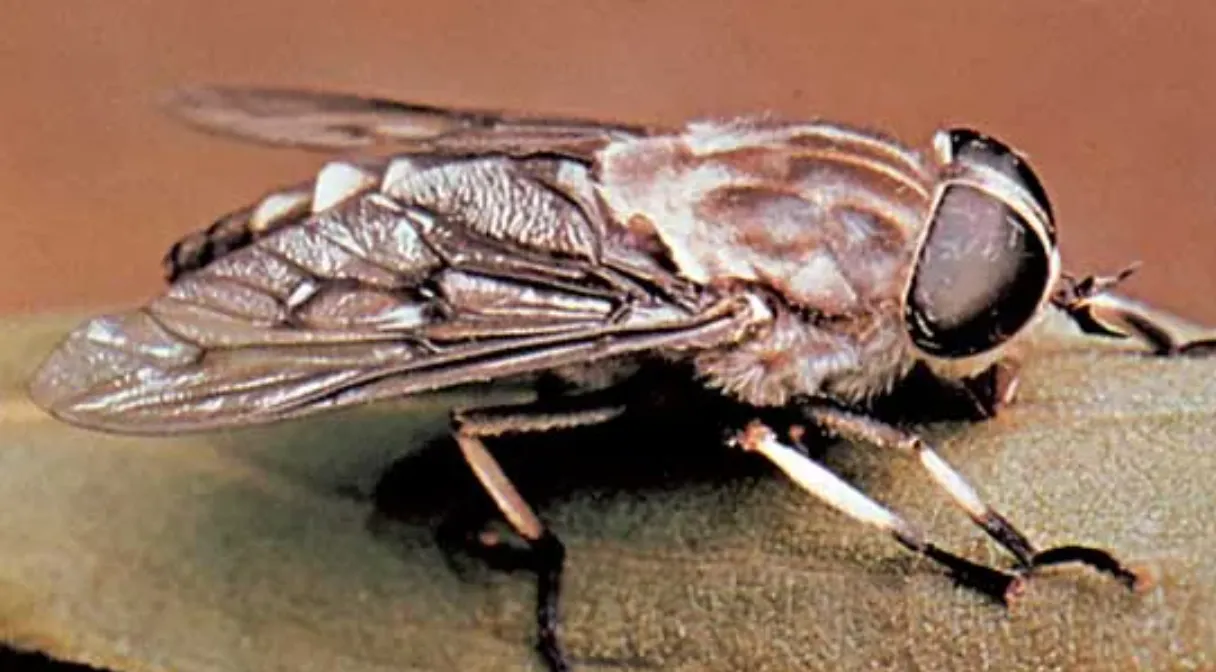
Horse flies are notorious for their painful bites and aggressive behavior. However, understanding their life cycle, particularly that of the horse fly larva, is crucial for managing and mitigating their presence.
Quick Answers to Common Questions:
- What is the life cycle of a horse fly?
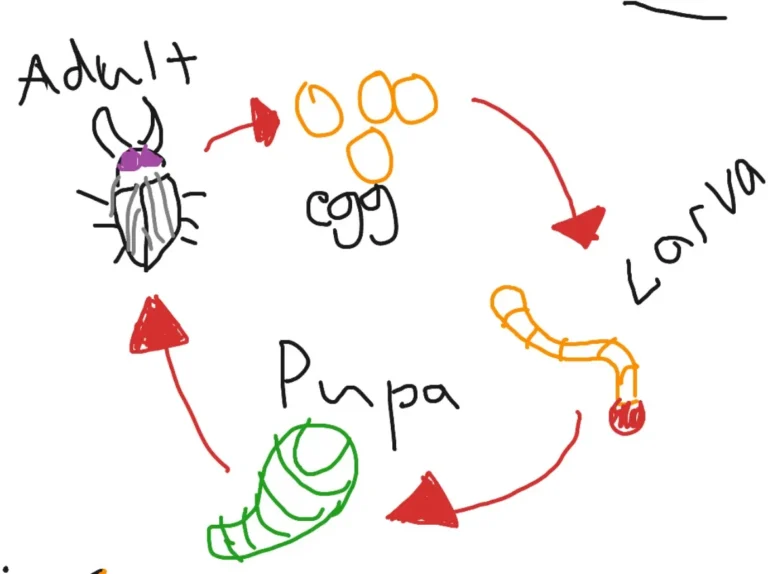
- The life cycle of a horse fly consists of four main stages: egg, larva, pupa, and adult. Each stage has distinct characteristics that contribute to the development and survival of this insect.
- How long does the horse fly larva live?
- The horse fly larva can live from several months to a year, depending on environmental factors. It grows in wet environments, often in marshes or near water bodies, where it can thrive.
- What do horse fly larvae eat?
- Horse fly larvae are primarily scavengers, feeding on decaying organic matter and smaller aquatic organisms, which helps them grow and develop into mature adults.
Quick Life Cycle Table
| Stage | Description |
| Egg | Laid by female horse flies on vegetation near water. |
| Larva | Feeds on organic matter, developing into a pupa. |
| Pupa | Transition stage; the larva undergoes metamorphosis into an adult. |
| Adult | Emerges from the pupa, mates, and the cycle starts again. |
The History of Their Scientific Naming
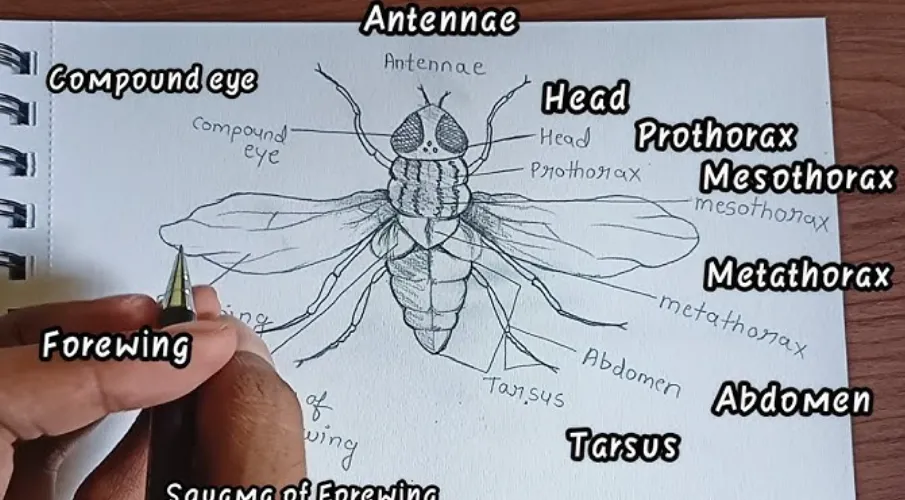
The horse fly, known scientifically as Tabanus, was first described in the 18th century. The genus name Tabanus is derived from the Greek word “tabanos,” which means “a fly” or “stinging fly.” These flies belong to the family Tabanidae, which includes a wide variety of biting flies. The scientific name highlights the fly’s aggressive nature and its association with pain-inducing bites, a common characteristic documented throughout history. Today, over 4,000 species of horse flies have been identified worldwide, many of which are known vectors of disease in both animals and humans.
Their Evolution and Their Origin
Horse flies are believed to have evolved around 150 million years ago during the Jurassic period. These flies, like many other species, have adapted to various ecological niches, thriving in wetland environments where their larvae can grow. Initially, they were more common in forested areas but have since spread to various regions, including grasslands, wetlands, and agricultural zones. Their evolution has been influenced by the need to avoid predators and the changing climate conditions.
The origin of horse flies is closely tied to the development of other dipteran species, which share a common ancestor. Over time, horse flies developed specialized traits, such as their strong, biting mouthparts and large wings, which help them pursue large mammals. These adaptations have enabled them to survive across a wide range of habitats, making them a highly successful group of insects.
Their Main Food and Its Collection Process
Horse fly larvae are primarily scavengers. They feed on decaying organic matter, algae, and smaller aquatic organisms found in wetland environments. As the larvae grow, they ingest a wide range of organic materials, including the remains of plants and other insects that have succumbed to the wet conditions. This process is critical for their growth, as it helps them accumulate the nutrients needed to develop into pupae.
During the larval stage, they typically live in moist, stagnant water where decaying organic matter is abundant. They use their mouthparts to scrape or ingest this organic material. In some cases, larvae will also feed on smaller invertebrates or decomposing fish, contributing to the ecosystem’s nutrient cycle by breaking down organic substances.
Their Life Cycle and Ability to Survive in Nature
H3: The Four Stages of the Horse Fly Life Cycle
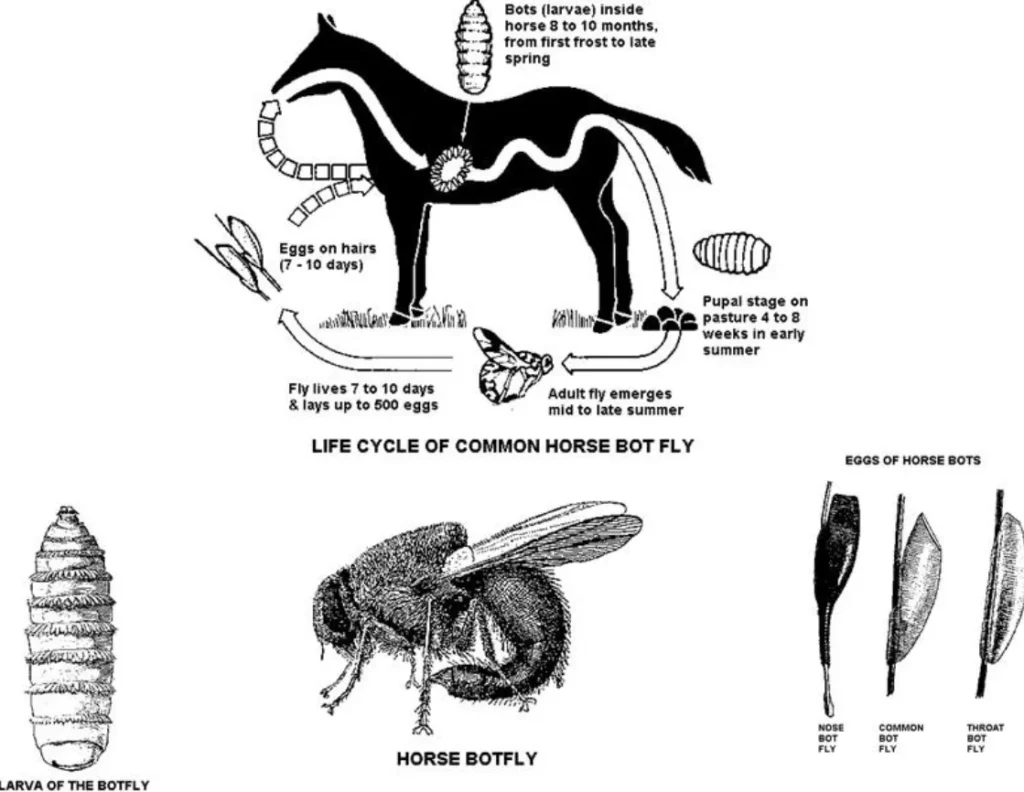
- Egg Stage: Female horse flies lay their eggs on vegetation, usually near water. The eggs hatch into larvae in a few days, depending on temperature and environmental conditions.
- Larval Stage: The horse fly larva is aquatic and feeds on organic matter. It goes through several molts before becoming a pupa. This stage can last anywhere from several months to over a year.
- Pupal Stage: The pupa undergoes metamorphosis, transforming into an adult horse fly. This stage is essential for the transition into the adult phase.
- Adult Stage: Adult horse flies emerge from the pupa and begin mating. They feed on blood from larger animals, including livestock and humans, to provide nutrients for egg production.
Horse flies are well-adapted to survive in harsh environments. Their larvae thrive in water bodies rich in organic matter, while adults can tolerate a wide range of habitats. Their ability to reproduce quickly and in large numbers also ensures their survival, even in areas with fluctuating environmental conditions.
Their Reproductive Process and Raising Their Children
The reproductive process of horse flies begins when adult females seek out large animals, including humans, for a blood meal. After feeding, the female horse fly lays her eggs on plants near water, where they are protected from environmental elements.
The eggs hatch into larvae, which spend most of their lives in water, feeding on decaying organic matter. The larvae undergo several molts before they become pupae. In the pupal stage, they undergo metamorphosis into adult flies, ready to begin the cycle again.
Horse flies do not provide parental care for their offspring. The larvae develop independently, relying on their feeding habits to grow until they are ready to transition into the pupal stage. This lack of parental involvement is common among many insect species, as survival is largely dependent on environmental conditions rather than parental protection.
Importance of Them in This Ecosystem
Horse flies play a significant role in their ecosystems, particularly in nutrient cycling. As larvae, they help decompose organic matter in aquatic environments, breaking down decaying plant material and smaller animals. This process contributes to the health of wetland ecosystems by recycling nutrients back into the soil and water.
Adults also serve as prey for other animals, including birds and amphibians. Additionally, they are essential for pollination in some ecosystems, despite being more known for their blood-feeding behavior. Their role in food webs is critical for maintaining the balance of various ecosystems, from wetlands to grasslands.
What to Do to Protect Them in Nature and Save the System for the Future
- Preserve Wetlands: Protecting wetland habitats is essential for maintaining the environments where horse fly larvae thrive.
- Control Pollution: Reducing chemical pollutants in water bodies will help maintain healthy ecosystems for larval development.
- Increase Awareness: Educating the public about the ecological importance of horse flies can help garner support for their conservation.
- Support Biodiversity: Maintaining biodiversity in ecosystems ensures that horse flies and other species continue to thrive and contribute to ecological balance.
Important Things That You Need to Know
Horse Fly Larva: The larval stage of horse flies is essential to their development, as they thrive in water bodies where they feed on decaying organic matter and smaller aquatic organisms. The survival of the larvae is crucial for the continuation of the life cycle.
Horse Fly Bite: Although the horse fly’s bite is painful and often leads to irritation, these flies are an important part of the ecosystem. The bite allows them to feed on blood, which is essential for reproduction.
Horse Fly Size: These flies vary in size, with some species growing up to 1 inch long. Their size allows them to have strong wings for efficient flight, which is crucial for feeding and mating.
Giant Horse Fly Bite: Known for their large size, giant horse flies have particularly painful bites that can cause significant irritation. However, their large size also makes them important as predators in certain ecosystems, helping to control populations of smaller insects.
Horse Fly Spray: To protect against horse flies, insecticide-containing sprays can be effective. However, natural methods, such as maintaining a clean and healthy environment, are often more sustainable in the long run.
Frequently Asked Questions (FAQs)
- What is the primary habitat of horse fly larvae?
- Horse fly larvae typically thrive in wetland areas where decaying organic matter is abundant.
- Can horse fly larvae survive in saltwater?
- Horse fly larvae generally live in freshwater environments, as saltwater is not conducive to their survival.
- What do horse fly larvae feed on?
- They primarily feed on decaying organic material, algae, and smaller aquatic organisms.
- How long does the horse fly larva live?
- The larva can live anywhere from several months to a year, depending on environmental conditions.
- How do horse flies contribute to their ecosystem?
- They help decompose organic matter and serve as prey for other animals, contributing to nutrient cycling.
- Are horse flies dangerous to humans?
- While horse fly bites are painful, they are generally not dangerous. However, they can transmit diseases in some cases.
- Why do horse flies bite animals?
- Female horse flies bite to obtain a blood meal, which is necessary for reproduction.
- What is the lifespan of an adult horse fly?
- The adult horse fly typically lives for several weeks, during which time it mates and lays eggs.
Conclusion
Understanding the life cycle of the horse fly larva and its role in the ecosystem is crucial for managing their populations. While these flies are often seen as pests, they play an important role in nutrient cycling and food webs. By preserving their habitats and maintaining healthy ecosystems, we can ensure that horse flies continue to thrive and contribute to the biodiversity of our environment.
Also Read: hornworm life cycle