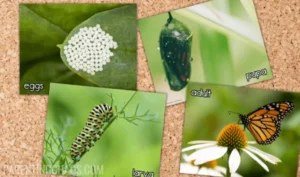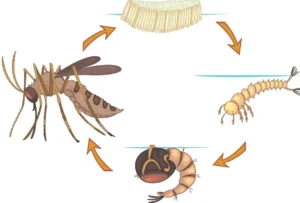
The life cycles of plants are among the most fascinating natural processes on Earth. From tiny seeds to fully grown organisms, Plants go through a series of well-defined stages that ensure survival, reproduction, and ecological balance. Understanding these cycles is essential not only for students and researchers but also for gardeners, plant enthusiasts, and environmentalists.
Plants follow a cyclical pattern that includes germination, growth, reproduction, and death—followed by regeneration. Whether you’re observing wild plants, indoor varieties, or decorative species like air plants or spider plants, the life cycle remains a core biological principle.
Quick Answers (Most Common Questions)
1. What are the stages in the plant life cycle?
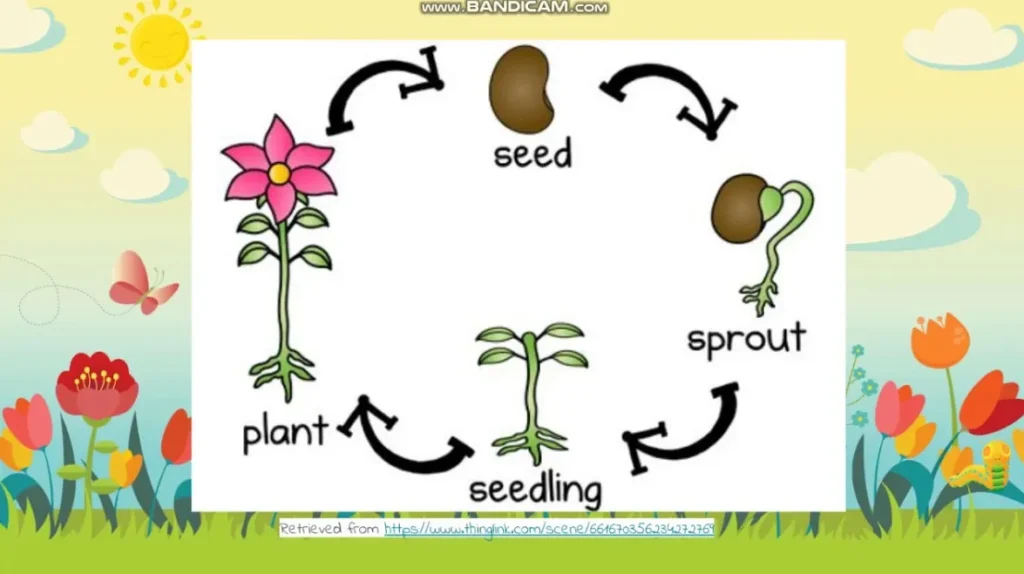
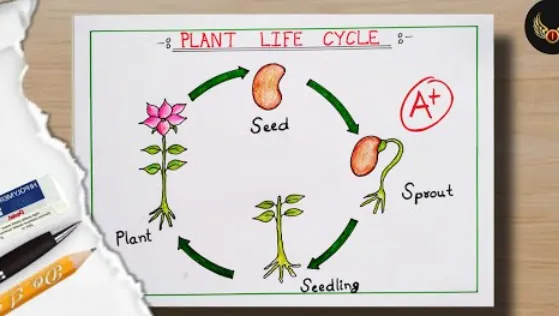
Plants typically go through seed → germination → seedling → mature plant → flowering → reproduction → seed dispersal.
2. Do all plants have the same life cycle?
No. While the basic stages are similar, flowering plants, ferns, and mosses have slightly different reproductive cycles.
3. Why is the plant life cycle important?
It ensures species survival, supports ecosystems, and maintains Earth’s oxygen and food production.
Quick Life Cycle Table
| Stage | Description |
| Seed | Dormant stage containing embryo and nutrients |
| Germination | The seed absorbs water and begins to sprout |
| Seedling | Young Plant starts photosynthesis |
| Vegetative Growth | A plant develops leaves, stems, and roots |
| Flowering | Reproductive organs develop |
| Pollination | Transfer of pollen to fertilize ovules |
| Fruit/Seed Formation | Seeds develop inside fruits |
| Dispersal | Seeds spread to new locations |
The History Of Their Scientific Naming
The scientific naming of plants, known as binomial nomenclature, was introduced by Carl Linnaeus in the 18th century. This system revolutionized plant classification and remains widely used today.
- 🌿 Each Plant has a two-part name: Genus and Species
- 📚 Latin is used for universal consistency across countries
- 🔬 Helps scientists identify and classify plants accurately
- 🌍 Avoids confusion caused by local or common names
- 📖 Example: Rosa indica (Indian rose)
This standardized system allows botanists to study plant evolution, relationships, and biodiversity effectively. Over time, classification has evolved with genetic studies, making Plant naming more precise and scientifically grounded.
Their Evolution And Their Origin
Plants originated around 470 million years ago, evolving from green algae in aquatic environments. Early plants were simple and lacked roots or vascular systems, but over time, they adapted to terrestrial life.
The evolution of plants can be divided into key stages:
- 🌊 Algae Ancestors: Aquatic organisms capable of photosynthesis
- 🌱 Bryophytes: Mosses and liverworts—non-vascular plants
- 🌿 Pteridophytes: Ferns with vascular tissues
- 🌸 Gymnosperms: Seed-producing plants without flowers
- 🌼 Angiosperms: Flowering plants—the most advanced group
Adaptations such as roots, stems, leaves, and seeds enabled plants to colonize land successfully. The development of flowers and fruits enhanced reproduction and seed dispersal.
Today, plants are crucial to life on Earth, forming the base of the food chain and regulating atmospheric gases.
Their Main Food and Its Collection Process
Plants are autotrophs, meaning they produce their own food through photosynthesis. This process is vital for their survival and growth.
🌞 How Plants Make Food:
- Sunlight Absorption: Chlorophyll captures sunlight
- Water Uptake: Roots absorb water from the soil
- Carbon Dioxide Intake: Leaves take in CO₂ from the air
- Photosynthesis Process: Converts light energy into glucose
- Oxygen Release: Byproduct released into the atmosphere
🌿 Key Points:
- Leaves are the primary site of food production
- Roots anchor the Plant and absorb nutrients
- Stems transport water and food throughout the Plant
- Glucose is stored as starch for future use
This self-sustaining mechanism allows plants to survive independently and support other life forms.
Their Life Cycle and Ability to Survive in Nature
🌱 Germination Stage
Seeds begin to grow when conditions like water, warmth, and oxygen are favorable.
🌿 Growth and Development
Plants develop roots, stems, and leaves to maximize nutrient absorption and photosynthesis.
🌸 Reproductive Stage
Flowers or spores are produced for reproduction.
🌍 Adaptation and Survival
Plants have developed remarkable survival strategies:
- 🌵 Drought resistance in desert plants
- 🌲 Cold tolerance in alpine species
- 🌿 Rapid growth in tropical environments
- 🌾 Seed dormancy during unfavorable conditions
These adaptations ensure plants can thrive in diverse ecosystems, from rainforests to deserts.
Their Reproductive Process and Raising Their Children
Plants reproduce through sexual and asexual methods.
🌸 Sexual Reproduction:
- Involves flowers
- Pollination by wind, insects, or animals
- Fertilization leads to seed formation
🌿 Asexual Reproduction:
- No seeds required
- Methods include cuttings, runners, and bulbs
🌱 Key Points:
- Seeds contain embryos (future plants)
- Fruits protect seeds and aid dispersal
- Some plants self-pollinate, others cross-pollinate
- Vegetative propagation ensures faster growth
Plants “raise their children” by producing seeds with nutrients and protective coatings to ensure survival.
Importance of Them in this Ecosystem
🌍 Oxygen Production
Plants produce oxygen through photosynthesis, which is essential for all living beings.
🌿 Food Source
They form the base of the food chain for humans and animals.
🌳 Climate Regulation
Plants absorb carbon dioxide, reducing global warming.
🐝 Biodiversity Support
Provide habitat and food for countless organisms.
🌱 Soil Conservation
Roots prevent soil erosion and maintain fertility.
Plants are indispensable for maintaining ecological balance and sustaining life on Earth.
Important Things That You Need To Know
🌿 LSI Keywords in Focus: air plants, spider plants, hanging plants, plants near me, best places to buy plants online
Understanding modern plant trends helps connect traditional plant life cycles with practical usage.
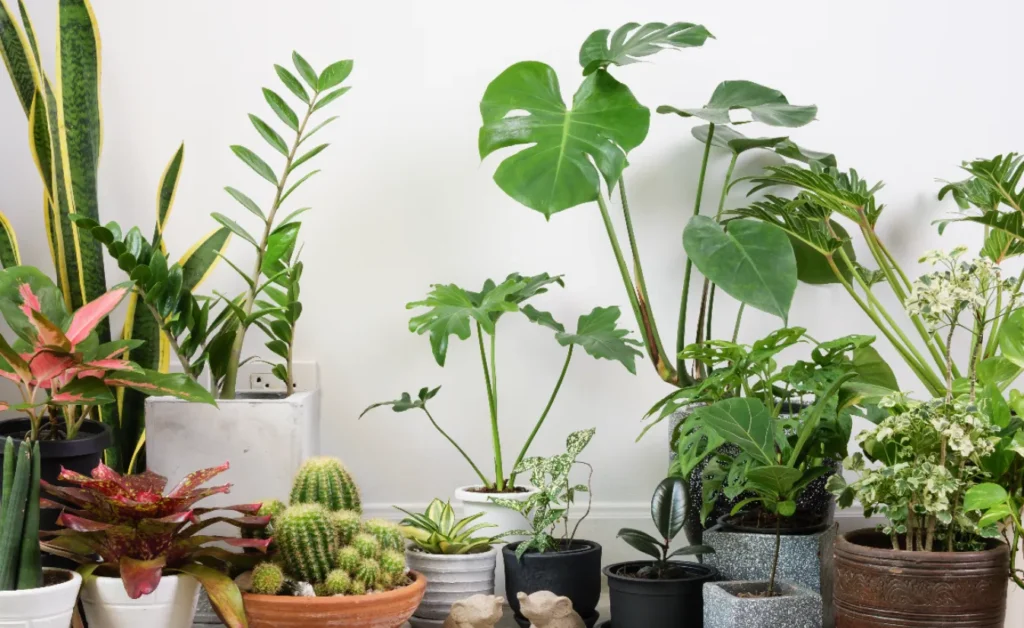
Air plants (Tillandsia) are unique because they don’t need soil. They absorb moisture and nutrients through their leaves, making them ideal for decorative purposes.
Spider plants are popular indoor plants known for their easy propagation and air-purifying qualities. They produce small plantlets, showcasing a clear example of asexual reproduction.
Hanging plants are widely used in home decor. They grow downward and adapt to limited space, making them perfect for urban environments.
Searching for plants near me helps people find local nurseries, ensuring better plant health and easier care.
The rise of e-commerce has made it easier to find the best places to buy plants online, offering a wide variety of species delivered to your doorstep.
These modern plant trends highlight how plant life cycles integrate into daily life, home design, and sustainable living practices.
What to Do to Protect Them in Nature and Save the System for the Future
- 🌱 Plant more trees and native species
- 🚫 Avoid deforestation and illegal logging
- 💧 Use water efficiently in gardening
- 🌿 Support organic farming practices
- 🐝 Protect pollinators like bees and butterflies
- ♻️ Reduce pollution and plastic use
- 🌍 Promote environmental education
- 🌳 Create green spaces in urban areas
- 🧪 Avoid harmful pesticides and chemicals
- 🌾 Support conservation programs
Protecting plants ensures a sustainable future for all living organisms.
Frequently Asked Questions (FAQs)
1. What is the first stage of a plant’s life cycle?
The seed stage is the first phase.
2. How long does a plant’s life cycle take?
It varies from weeks to years depending on the species.
3. Do indoor plants follow the same life cycle?
Yes, but environmental conditions are controlled.
4. What is germination?
The process by which a seed begins to grow.
5. Can plants reproduce without seeds?
Yes, through asexual methods like cuttings.
6. Why is pollination important?
It enables fertilization and seed production.
7. What role do roots play?
They absorb water and anchor the Plant.
8. How do plants adapt to harsh environments?
Through structural and physiological changes.
Conclusion
The life cycles in plants are a remarkable demonstration of nature’s intelligence and balance. From a dormant seed to a fully grown organism capable of reproducing and sustaining ecosystems, plants undergo complex yet efficient processes.
Understanding these cycles helps us appreciate the role plants play in our lives—from providing oxygen and food to supporting biodiversity and regulating climate. Whether you’re growing indoor plants, exploring wild vegetation, or studying botany, this knowledge is essential.
As human activities continue to impact the environment, protecting plant life becomes more important than ever. By adopting sustainable practices and respecting natural ecosystems, we can ensure that plant life cycles continue to thrive for future generations.
Also Read About: life cycle of a monarch