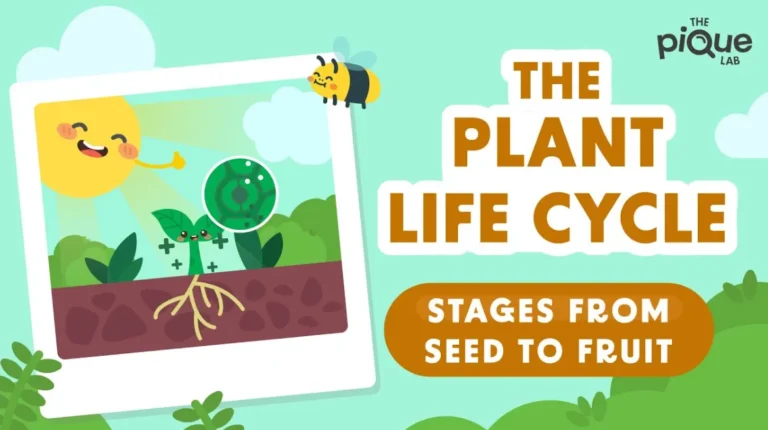
Plants are the foundation of life on Earth. From the smallest moss to towering trees, every plant follows a remarkable plant life cycle that allows it to grow, reproduce, and survive in changing environments. Understanding the plant life cycle helps us appreciate how nature maintains balance and why plants are essential for ecosystems, food chains, and climate stability.
The plant life cycle begins with a seed and continues through several stages including germination, growth, reproduction, and seed dispersal. These stages allow plants to adapt to their surroundings and ensure the survival of future generations. Whether it is a common houseplant like a spider plant, a decorative monstera plant, or a resilient zz plant, each species follows a similar biological cycle while adapting uniquely to its environment.
In modern gardening and plant science, understanding plant growth stages is increasingly important. With rising interest in indoor gardening, people are growing plants such as pothos, jade, prayer, elephant ear, and lavender indoors and in urban spaces. These plants not only beautify environments but also improve air quality and mental well-being.
Scientific research in 2026 continues to reveal new insights into plant biology, including how plants communicate through root systems, respond to environmental stress, and adapt to climate change. These discoveries highlight the incredible complexity of the plant life cycle.
By learning how plants grow, reproduce, and survive, we can better care for them and protect natural ecosystems. This article explores the evolution of plants, their scientific classification, their life cycle, reproductive strategies, ecological importance, and how humans can protect plant diversity for future generations.
Their Evolution And Their Origin
Plants have existed on Earth for more than 470 million years, making them one of the earliest groups of organisms to colonize land. Their evolution transformed the planet by producing oxygen, stabilizing soil, and creating habitats for countless species.
Early Plant Evolution
The earliest plants evolved from green algae that lived in freshwater environments. Over millions of years, these primitive organisms developed the ability to survive on land. This transition required significant adaptations, including protective outer layers and structures for transporting water.
Scientists believe that the first land plants were simple organisms similar to modern mosses and liverworts. These plants lacked complex vascular systems but played a vital role in shaping early ecosystems.
Development of Vascular Plants
Around 420 million years ago, plants evolved vascular tissues that allowed them to transport water and nutrients efficiently. This innovation led to the emergence of larger plants, such as ferns, and eventually trees.
Vascular plants could grow taller and spread across continents, forming forests that drastically changed Earth’s atmosphere by increasing oxygen levels.
Evolution of Seed Plants
The next major evolutionary step was the development of seeds. Seeds protect plant embryos, allowing them to survive harsh conditions. This adaptation helped plants expand into diverse environments.
Seed plants eventually evolved into two major groups:
- Gymnosperms (such as pine trees)
- Angiosperms (flowering plants)
Flowering plants later became the most dominant plant group on Earth due to their efficient reproductive strategies.
Adaptation and Diversity
Today, plants exist in nearly every environment—from tropical rainforests to deserts and frozen tundras. Species like the lavender plant thrive in dry Mediterranean climates, while tropical plants like the monstera plant grow in humid forests.
Through millions of years of evolution, plants have developed remarkable survival strategies, including drought tolerance, rapid reproduction, and symbiotic relationships with insects and fungi.
The History of Their Scientific Naming
Scientific naming of plants, known as binomial nomenclature, is a system used worldwide to identify plant species accurately. This system helps scientists avoid confusion caused by different local names.
Key Points in the History of Plant Scientific Naming
- Ancient plant classification
- Early civilizations, such as the Greeks and Romans, categorized plants based on their medicinal uses and physical characteristics.
- The work of Theophrastus
- Greek philosopher Theophrastus (371–287 BCE) is often called the “Father of Botany.” He studied plant structures and categorized them into trees, shrubs, and herbs.
- Carl Linnaeus and modern classification
- In the 18th century, Swedish scientist Carl Linnaeus introduced the binomial naming system. Every plant received a two-part Latin name consisting of genus and species.
- Example of plant scientific names
- For example, the spider plant is scientifically known as Chlorophytum comosum, while the jade plant is called Crassula ovata.
- Global acceptance of the system
- The Linnaean system became the international standard for plant classification and is still used in botanical research today.
- Modern plant taxonomy
- With advancements in genetic research and DNA sequencing, scientists now classify plants based on evolutionary relationships rather than just physical features.
This scientific naming system allows researchers, gardeners, and botanists worldwide to communicate clearly about plant species.
Important Things That You Need To Know
Plants come in many forms, and several popular species demonstrate unique growth patterns within the plant life cycle. Many of these plants are widely grown as houseplants due to their beauty and resilience.
Some of the most well-known plants include spider plant, zz plant, monstera plant, jade plant, and pothos plant. Each of these plants has unique characteristics, but still follows the same biological life cycle stages.
The spider plant is famous for producing small baby plants known as “spiderettes.” These offspring grow from long stems and can easily be replanted, making the plant popular among beginners.
The ZZ plant is one of the most durable indoor plants. It can survive in low light and requires very little watering, making it perfect for modern homes and offices.
The monstera plant, often called the Swiss cheese plant, is known for its large leaves with natural holes. This tropical plant thrives in humid environments and has become a popular decorative plant worldwide.
Another beloved houseplant is the jade plant, a succulent associated with prosperity in many cultures. It stores water in thick leaves and can live for decades with proper care.
Meanwhile, the pothos plant is admired for its trailing vines and heart-shaped leaves. It grows quickly and adapts well to indoor environments.
These plants demonstrate how different species adapt to their environments while still following the same basic plant life cycle. Their popularity also shows how humans connect with nature through gardening and plant care.
Their life cycle and ability to survive in nature
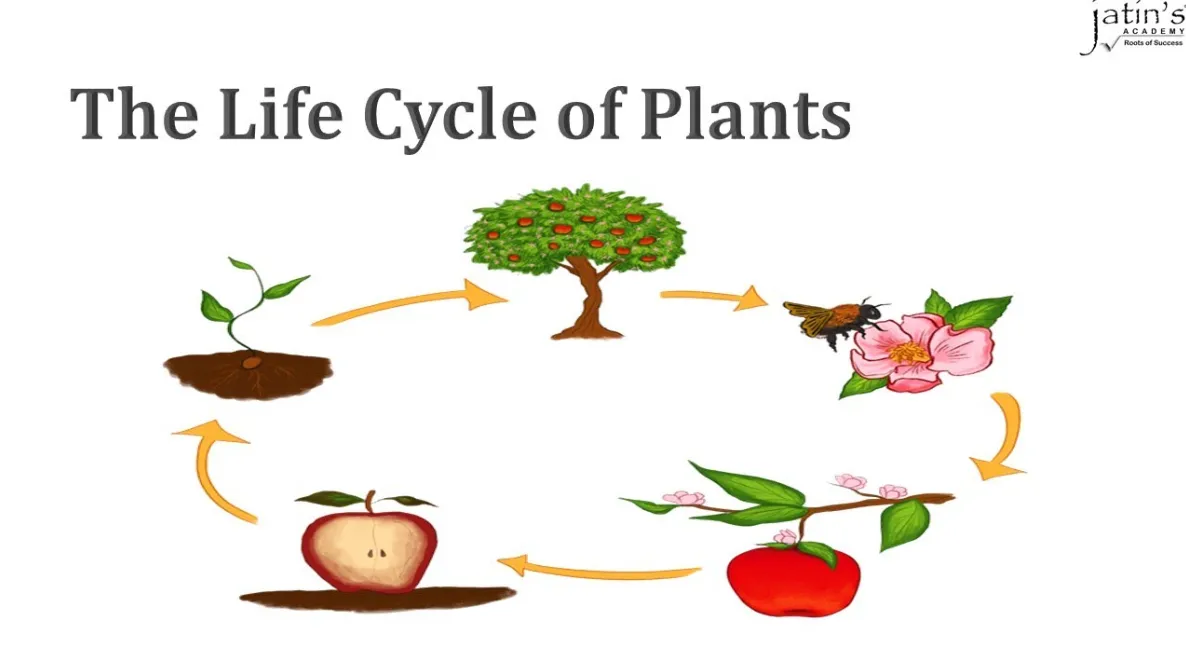
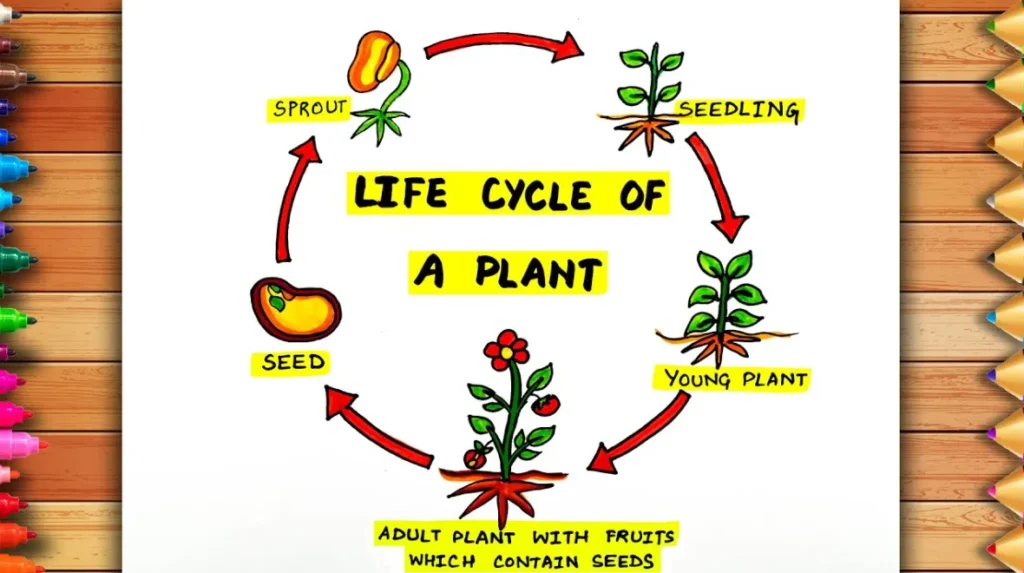
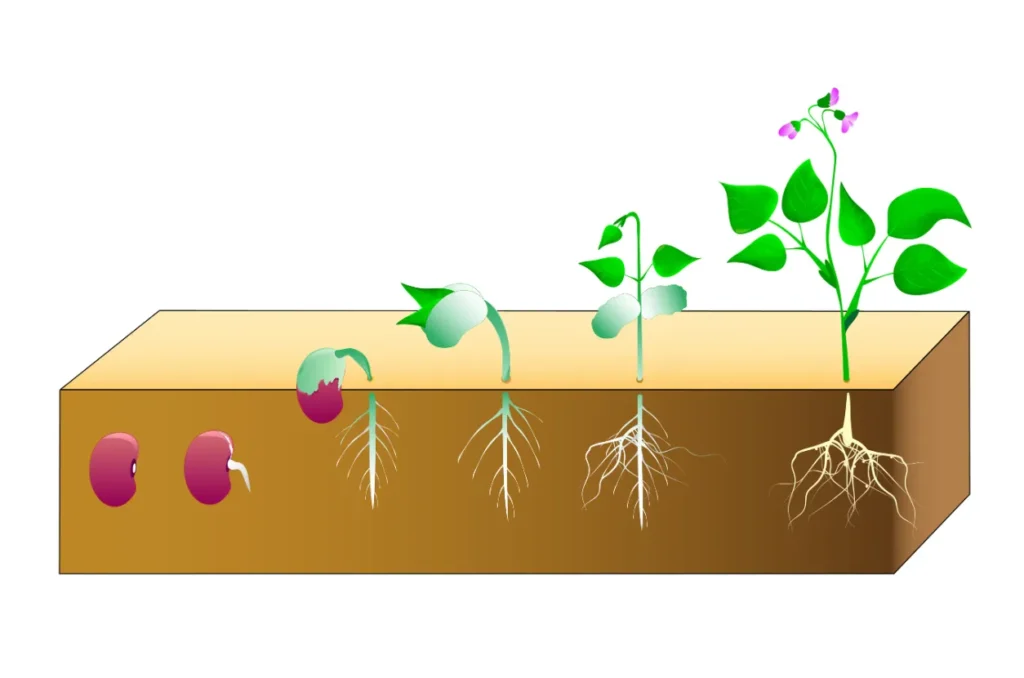
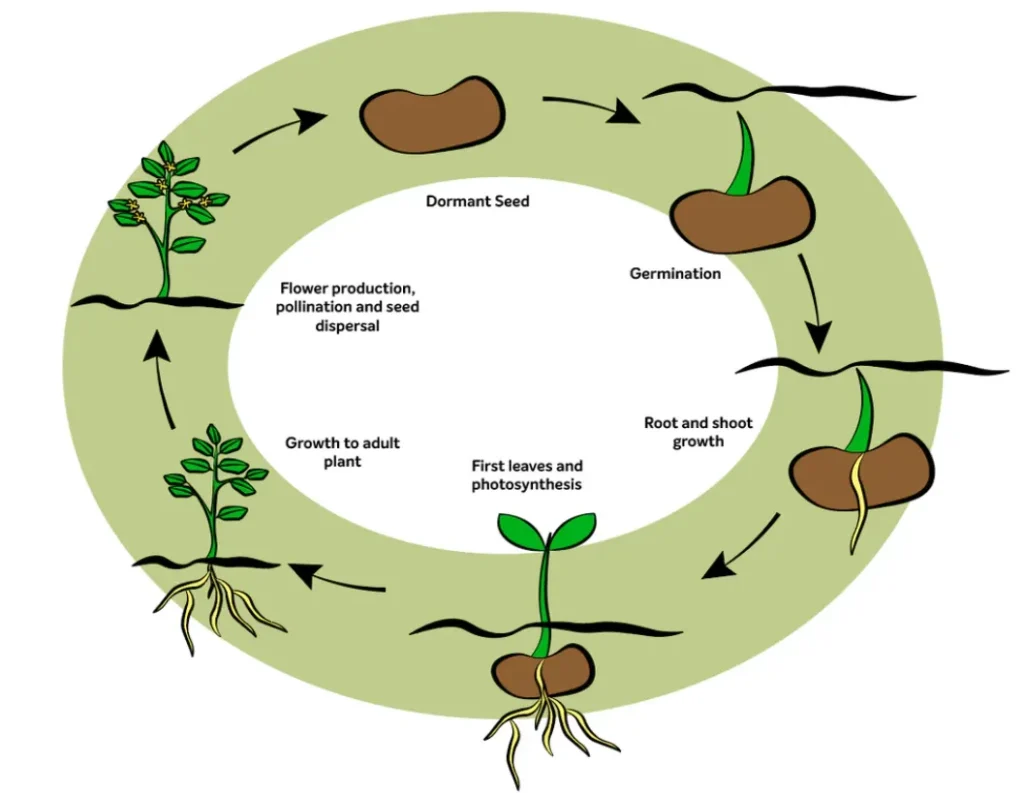
The plant life cycle consists of several stages that ensure the growth and survival of plant species. Each stage plays an important role in maintaining healthy ecosystems.
Key Stages of the Plant Life Cycle
- Seed Stage
- The life cycle begins with a seed that contains a tiny plant embryo and stored nutrients. Seeds remain dormant until conditions are favorable.
- Germination
- When water, temperature, and oxygen levels are suitable, the seed begins to germinate. Roots grow downward while shoots grow upward.
- Seedling Stage
- Young plants begin producing leaves and start photosynthesis, converting sunlight into energy.
- Mature Plant Stage
- The plant grows stronger, develops roots, stems, and leaves, and prepares for reproduction.
- Reproductive Stage
- Flowers or reproductive structures form, allowing pollination and seed production.
Survival Strategies in Nature
Plants have developed several strategies to survive harsh environments:
- deep root systems to access water
- thick leaves to store moisture
- chemical defenses against predators
- symbiotic relationships with fungi and insects
These adaptations help plants survive droughts, storms, and environmental changes.
Their Reproductive Process and raising their children
Plant reproduction ensures the continuation of plant species. Unlike animals, plants rely on environmental factors such as wind, insects, and water to reproduce.
Major Plant Reproduction Methods
- Pollination
- Pollination occurs when pollen from the male part of a flower reaches the female part. This can happen through insects, birds, wind, or water.
- Fertilization
- After pollination, fertilization occurs when pollen reaches the ovule, forming a seed.
- Seed Development
- Seeds contain a plant embryo and nutrients needed for early growth.
- Seed Dispersal
- Seeds spread through wind, animals, water, or gravity, helping plants grow in new locations.
- Vegetative Reproduction
- Some plants reproduce without seeds. For example, the spider plant produces baby plants, while the pothos plant can grow from stem cuttings.
Nurturing the Next Generation
Plants protect their offspring through structures such as fruits and seed coats, as well as protective chemicals. These mechanisms ensure that seeds survive long enough to grow into new plants.
The importance of them in the ecosystem
Plants are essential for maintaining ecological balance and supporting life on Earth.
Key Ecological Benefits of Plants
- Oxygen Production
- Through photosynthesis, plants release oxygen that humans and animals need to breathe.
- Food Source
- Plants form the base of food chains, supporting herbivores and higher predators.
- Habitat Creation
- Forests and plant communities provide shelter for countless species.
- Soil Protection
- Roots stabilize soil and prevent erosion.
- Climate Regulation
- Plants absorb carbon dioxide and help reduce the effects of climate change.
- Water Cycle Support
- Plants release moisture through transpiration, contributing to rainfall patterns.
Without plants, ecosystems would collapse, and life on Earth would be impossible.
What to do to protect them in nature and save the system for the future
Protecting plant biodiversity is critical for maintaining healthy ecosystems and ensuring the survival of future generations.
Ways to Protect Plants and Ecosystems
- Protect Natural Habitats
- Preserve forests, wetlands, and grasslands to maintain plant diversity.
- Reduce Deforestation
- Support sustainable forestry practices and avoid unnecessary tree removal.
- Plant Native Species
- Native plants support local wildlife and require fewer resources to grow.
- Limit Chemical Use
- Reduce the use of pesticides and fertilizers that harm soil and plant health.
- Promote Urban Gardening
- Growing plants in cities helps improve air quality and biodiversity.
- Support Conservation Programs
- Participate in reforestation and habitat restoration projects.
- Educate Communities
- Awareness about plant conservation encourages responsible environmental behavior.
- Reduce Carbon Footprint
- Lowering greenhouse gas emissions helps protect plant ecosystems from the impacts of climate change.
Frequently Asked Questions (FAQs)
1. What is the plant life cycle?
The plant life cycle describes the stages a plant goes through, from seed germination to growth, reproduction, and seed production.
2. Why is the plant life cycle important?
It ensures the survival of plant species and helps maintain ecological balance.
3. What are the main stages of plant growth?
The main stages include seed, germination, seedling, mature plant, and reproduction.
4. Can plants reproduce without seeds?
Yes. Some plants reproduce vegetatively through cuttings, runners, and bulbs.
5. Which houseplants are easiest to grow?
Popular beginner plants include the spider plant, pothos, and ZZ plant because they require minimal care.
6. How do plants survive harsh environments?
Plants adapt through specialized roots, water storage systems, and chemical defenses.
7. What role do plants play in climate regulation?
Plants absorb carbon dioxide and release oxygen, helping reduce greenhouse gases.
8. How can individuals help protect plants?
People can plant trees, reduce pollution, support conservation efforts, and protect natural habitats.
Conclusion
The plant life cycle is a fascinating biological process that highlights the resilience and adaptability of plants. From tiny seeds to mature plants producing new generations, each stage plays a critical role in sustaining life on Earth.
Plants have evolved over millions of years, adapting to diverse environments and developing complex reproductive strategies. Whether it is a decorative indoor plant like the monstera plant or a fragrant lavender plant growing in open fields, every plant follows a cycle that ensures survival and growth.
Beyond their beauty, plants provide essential ecological benefits. They produce oxygen, regulate climate, stabilize soil, and support entire food chains. Without plants, ecosystems would collapse, and life on Earth would not be possible.
In today’s world, protecting plant biodiversity is more important than ever. Deforestation, pollution, and climate change threaten plant habitats worldwide. However, individuals and communities can make a difference by planting trees, supporting conservation programs, and promoting sustainable environmental practices.
By understanding the plant life cycle and appreciating the role plants play in nature, we can become better stewards of the planet. Protecting plants today ensures that future generations will continue to enjoy healthy ecosystems, clean air, and the incredible diversity of plant life that makes Earth unique.
Also Read About: Life Cycle of a Frog