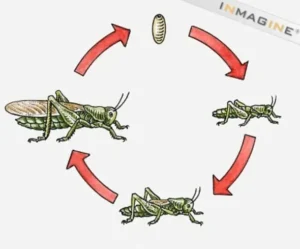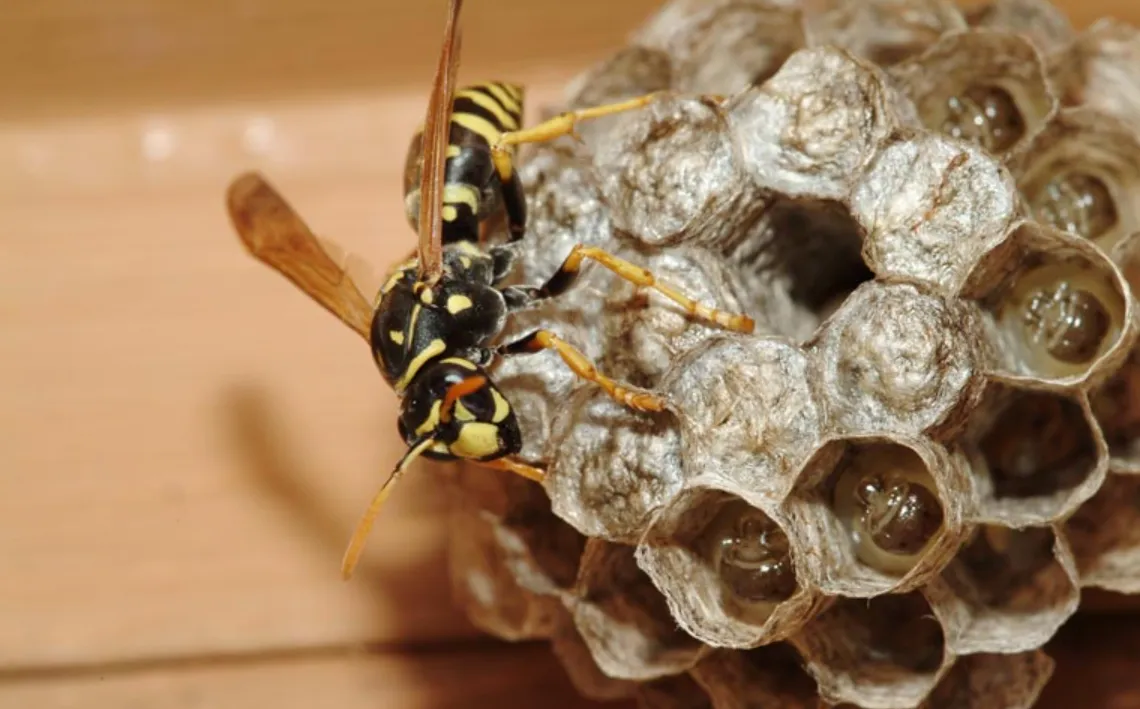
The Hymenoptera order, consisting of some of the most well-known insects such as bees, wasps, and ants, plays a critical role in both ecosystems and human life. This diverse group of insects is characterized by their wings, segmented bodies, and, for some, a sting mechanism used for defense and hunting. The life cycle of Hymenoptera is fascinating, marked by distinct developmental stages from egg to adult.
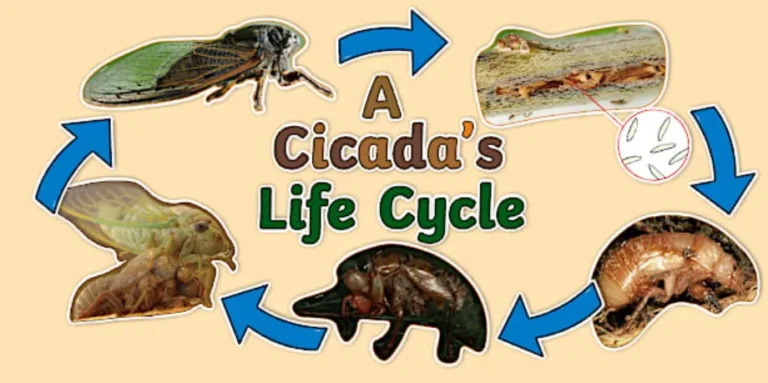
One common question often asked is: “What does the life cycle of a Hymenoptera look like?” The life cycle consists of egg, larva, pupa, and adult stages, with different species exhibiting varying behaviors and traits. “Why is the Hymenoptera life cycle so important?” The answer lies in their role as pollinators, predators, and symbiotic partners. The life cycle of bees, for example, is crucial to agricultural productivity. Another frequent inquiry concerns “What is the significance of Hymenoptera in our environment?” These insects are key players in biodiversity, contributing to natural balance by controlling pest populations and aiding in plant pollination.
Quick Life Cycle Table
| Stage | Description | Duration |
| Egg | The female lays eggs, often in a nest or hive. | Days to weeks |
| Larva | The egg hatches into a larva, which feeds and grows rapidly. | 1-3 weeks |
| Pupa | The larvae enter the pupal stage and transform. | 1-2 weeks |
| Adult | The fully formed adult emerges, ready to reproduce. | Varies by species |
The History of Their Scientific Naming
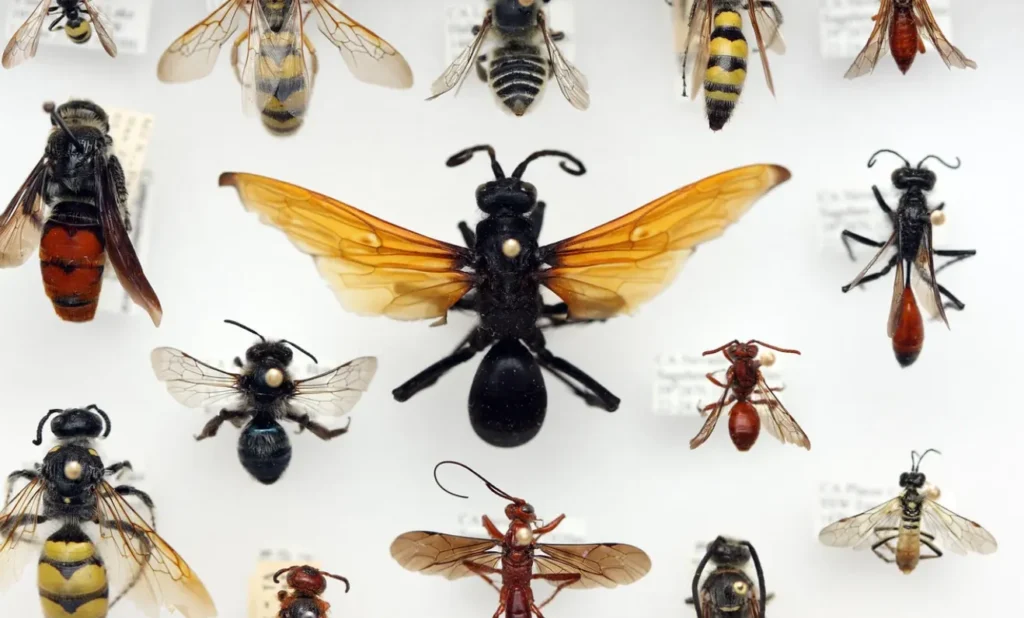
The name Hymenoptera comes from the Greek words “hymen” meaning “membrane” and “pteron” meaning “wing,” which refers to their characteristic membranous wings. This group was first formally described by Carl Linnaeus in the 18th century in his system of classification. Over time, scientists have classified numerous species within this order based on physical characteristics, behaviors, and ecological roles. Today, Hymenoptera is recognized as one of the largest and most important insect orders.
Their Evolution and Their Origin
Hymenoptera is believed to have originated around 250 million years ago during the Triassic period. Fossil evidence suggests that early Hymenoptera were solitary insects resembling modern wasps. Over time, these insects evolved into social species, including bees and ants, that live in complex colonies or hives. The evolution of flight, in particular, allowed them to explore new ecological niches, making them important pollinators and predators. This diversification has resulted in over 150,000 species today, with an amazing range of behaviors and ecological functions.
Their Main Food and Its Collection Process
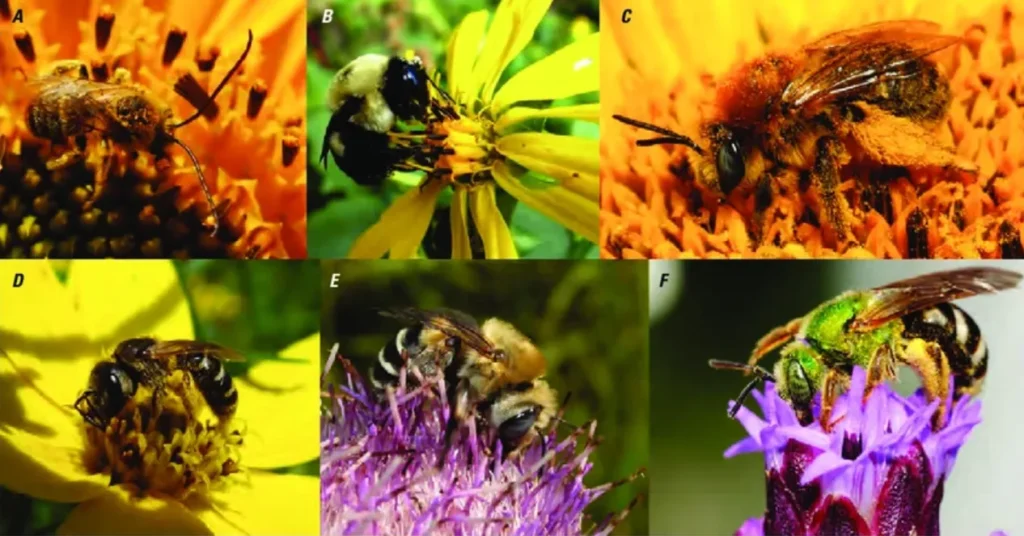
The diet of Hymenoptera varies depending on species. Bees, for instance, collect nectar and pollen from flowers, while wasps and ants are often predatory. Many wasp species hunt other insects or even small vertebrates to feed their larvae, while ants may scavenge or forage for seeds and fungi. The process involves collecting food, storing it, and sometimes modifying it for use by larvae or other colony members. In social species like honeybees, workers gather nectar, which is then processed into honey and stored in the hive.
Their Life Cycle and Ability to Survive in Nature
The life cycle of Hymenoptera plays a crucial role in their survival in nature. The eggs of many species are laid in secure locations, such as nests or hives, to ensure the larvae have a safe environment to grow. These insects can thrive in diverse environments, from tropical rainforests to temperate grasslands. Their ability to adapt to various habitats has contributed to their widespread distribution. Moreover, the presence of a stinger, in many species, helps deter predators and ensures the insect’s survival through defense.
Their Reproductive Process and Raising Their Children
Reproduction in Hymenoptera is typically sexual, with mating occurring during specific seasons. Queen ants and bees are the primary reproductive individuals within colonies, while worker ants and bees are sterile. In some species, males may die shortly after mating, while others may live long enough to mate multiple times. The queen lays eggs, which are cared for by workers or nurse bees. These workers often feed and protect the larvae, ensuring they grow into healthy adults.
Importance of Them in the Ecosystem
Hymenoptera are vital to the functioning of ecosystems. As pollinators, they help fertilize many plants, including crops that humans rely on for food. Additionally, as predators, they help control insect populations that might otherwise damage crops and other plants. The social behaviors of species like ants and bees also contribute to ecosystem health, promoting biodiversity by facilitating interactions among different species.
What to Do to Protect Them in Nature and Save the System for the Future
Protecting Hymenoptera is essential for maintaining biodiversity and ecological balance. Here are some ways we can help:
- Preserve habitats: Protect forests, meadows, and wetlands where these insects thrive.
- Reduce pesticide use: Pesticides can harm Hymenoptera, so using eco-friendly alternatives supports their survival.
- Support sustainable farming: Promote farming practices that provide food and habitat for pollinators.
- Encourage local gardening: Planting native flowers and shrubs can provide essential food sources for bees and other pollinators.
Important Things That You Need to Know About Hymenoptera
Hymenoptera have evolved to become indispensable members of our ecosystems. From their important role as pollinators to their contribution to pest control, these insects are far more than just “stinging insects.” The life cycle of Hymenoptera involves a fascinating progression from egg to adult, with each stage playing a unique role in their ecological function. Additionally, Hymenoptera allergy remains a significant concern for people sensitive to stings, particularly from wasps and hornets.
Key Facts to Remember:
- Hymenoptera stings can cause severe allergic reactions in some people.
- Their evolution from solitary to social behavior has enabled them to dominate in a variety of ecosystems.
- Hymenoptera allergenic extracts are often used in medical treatment for those allergic to stings.
- Proper treatment for Hymenoptera stings is essential for managing allergic reactions.
Frequently Asked Questions (FAQs)
- What is the Hymenoptera life cycle?
- The life cycle of Hymenoptera consists of four stages: egg, larva, pupa, and adult.
- What do Hymenoptera eat?
- Depending on the species, they feed on nectar, pollen, small insects, and other organic materials.
- Why are Hymenoptera important?
- They are essential for pollination and pest control, impacting agriculture and biodiversity.
- How long does the Hymenoptera life cycle last?
- The cycle varies, but most Hymenoptera take about 6 weeks to a few months to complete their life cycle.
- Are all Hymenoptera social?
- No, while species like ants and bees are social, others like wasps are solitary.
- Can Hymenoptera sting more than once?
- Some species, like honeybees, can only sting once, while wasps can sting multiple times.
- How do Hymenoptera reproduce?
- Reproduction involves a queen laying eggs, which are cared for by worker insects.
- What threats do Hymenoptera face?
- They are endangered by habitat loss, pesticide use, and climate change.
Conclusion
In conclusion, Hymenoptera are a fascinating and essential part of the natural world, with their intricate life cycle and vital roles in ecosystems. Protecting these insects is crucial for maintaining the balance of our environment, from pollination to pest control. By understanding their life cycle and contributions, we can better appreciate their significance and take steps to ensure their survival for future generations.
Also Read: darkling beetle life cycle