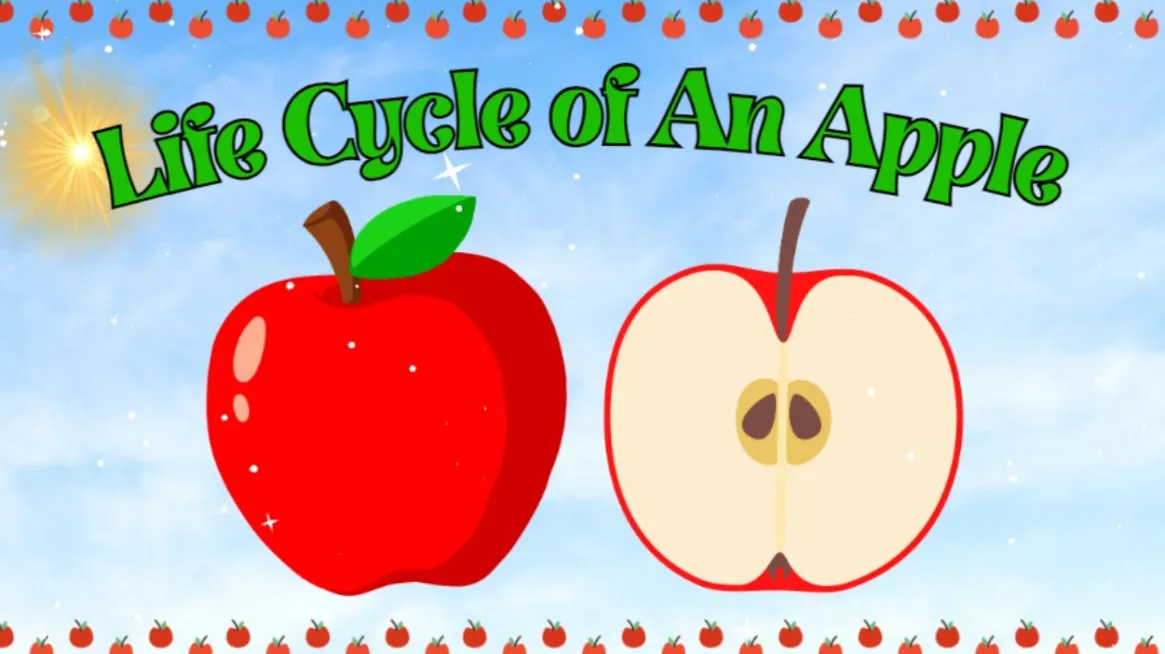
The life cycle of an apple is one of nature’s most fascinating biological journeys. From a tiny seed buried in soil to a fully grown fruit-bearing tree, apples go through multiple stages that reflect resilience, adaptation, and ecological importance. In 2026, with increasing awareness of sustainability and biodiversity, understanding how an apple grows is more relevant than ever.
Apples are not just a popular fruit enjoyed worldwide—they are a symbol of growth, nourishment, and natural balance. The process begins with a seed but involves complex biological stages, including germination, growth, flowering, pollination, and fruit production. Each phase plays a crucial role in ensuring the survival of the species and maintaining ecological harmony.
The Apple tree (Malus domestica) thrives in temperate climates and has adapted over centuries to various environmental conditions. Farmers, scientists, and environmentalists study its life cycle to improve crop yields, protect ecosystems, and promote sustainable agriculture.
In this article, we will explore the complete life cycle of an apple, its evolutionary origins, scientific classification, reproductive process, and ecological importance. Additionally, we will discuss how humans can protect apple trees and preserve their role in nature.
Whether you are a student, gardener, or nature enthusiast, this comprehensive guide will provide valuable insights into the remarkable journey of apples—from seed to fruit and beyond.
Important Things That You Need To Know
Before diving deeper, here are some essential facts related to apples and their life cycle. These insights help you understand why apples are such an important part of nature and agriculture.
The apple is one of the most widely cultivated fruits globally, with thousands of varieties adapted to different climates. Apple growth depends heavily on environmental factors such as temperature, soil quality, and pollination.
Some important LSI keywords related to apples include: apple tree, apple seed, fruit development, pollination, and orchard farming.
The journey of an apple begins with an apple seed, which contains the genetic material necessary for growth. Once planted in fertile soil, the seed undergoes germination, eventually forming roots and shoots.
An apple tree typically takes 4 to 8 years to produce fruit. During this time, it grows through several developmental stages, including sapling and mature tree phases.
Pollination is one of the most critical stages in apple development. Bees and other insects transfer pollen from one flower to another, enabling fertilization and fruit formation.
Their Evolution And Their Origin
The origin and evolution of apples date back thousands of years. Apples are believed to have originated in Central Asia, particularly in modern-day Kazakhstan. The wild ancestor of the domesticated apple, known as Malus sieversii, still grows in these regions.
Early humans played a significant role in spreading apple seeds along trade routes such as the Silk Road. As apples traveled across continents, they hybridized with local species, giving rise to the diverse varieties we see today.
Over time, selective breeding further enhanced apple characteristics such as sweetness, size, color, and resistance to diseases. Ancient civilizations, including the Greeks and Romans, cultivated apples and recognized their nutritional value.
The evolutionary journey of apples is closely linked to climate adaptation. Apple trees developed the ability to survive cold winters through a process called dormancy. This adaptation ensures that the tree conserves energy during harsh conditions and resumes growth in spring.
In modern agriculture, genetic research has enabled scientists to understand apple evolution at the molecular level. By studying DNA, researchers can improve apple varieties to withstand climate change, pests, and diseases.
Additionally, apples have evolved to depend on animals and insects for seed dispersal and pollination. Birds and mammals consume apples and spread seeds, while bees facilitate reproduction by transferring pollen.
Today, apples are cultivated worldwide, from North America to Europe and Asia. Their long evolutionary history highlights their adaptability and importance in human civilization.
The History of Their Scientific Naming
The scientific naming of apples has evolved over centuries as botanists studied plant classification. Below are key points explaining this process:
- The modern apple is scientifically known as Malus domestica, a name widely accepted in botanical taxonomy.
- The genus Malus belongs to the Rosaceae family, which also includes roses, pears, and cherries.
- Early classification systems by Carl Linnaeus in the 18th century played a crucial role in naming apple species.
- Initially, apples were grouped under broader categories, but later research refined their classification.
- The discovery of wild apple species such as Malus sieversii helped scientists trace the origin of domesticated apples.
- Botanical studies revealed that apples are a type of pome fruit, characterized by a fleshy outer layer and a core containing seeds.
- Advances in genetic research in the 21st century have further clarified apple taxonomy and relationships with other species.
- Scientists continue to study apple genomes to improve crop quality and disease resistance.
This scientific naming system ensures consistency and helps researchers worldwide communicate effectively about apple species.
Their life cycle and ability to survive in nature
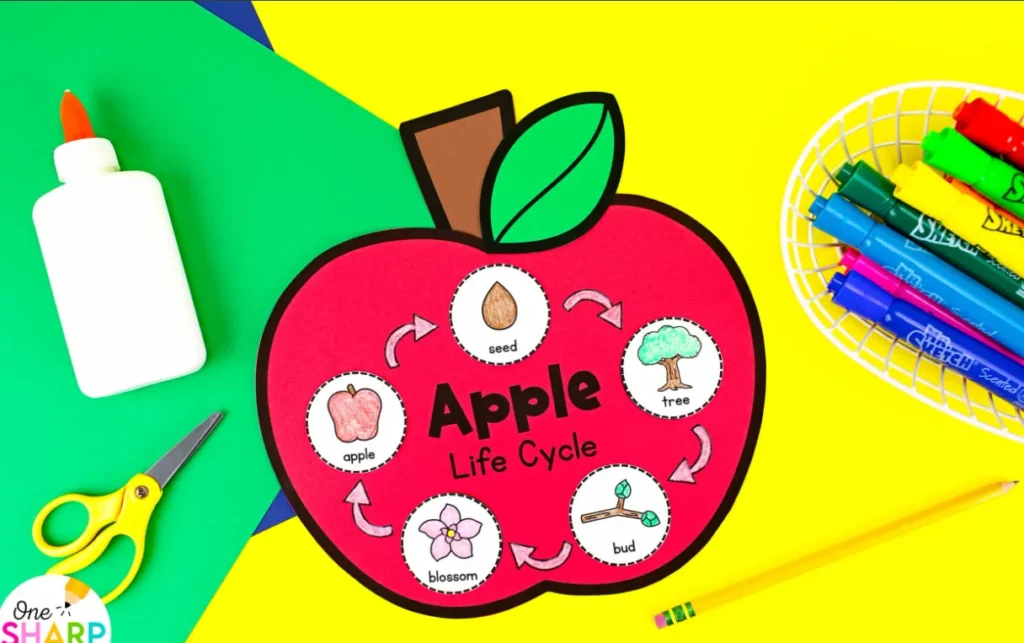
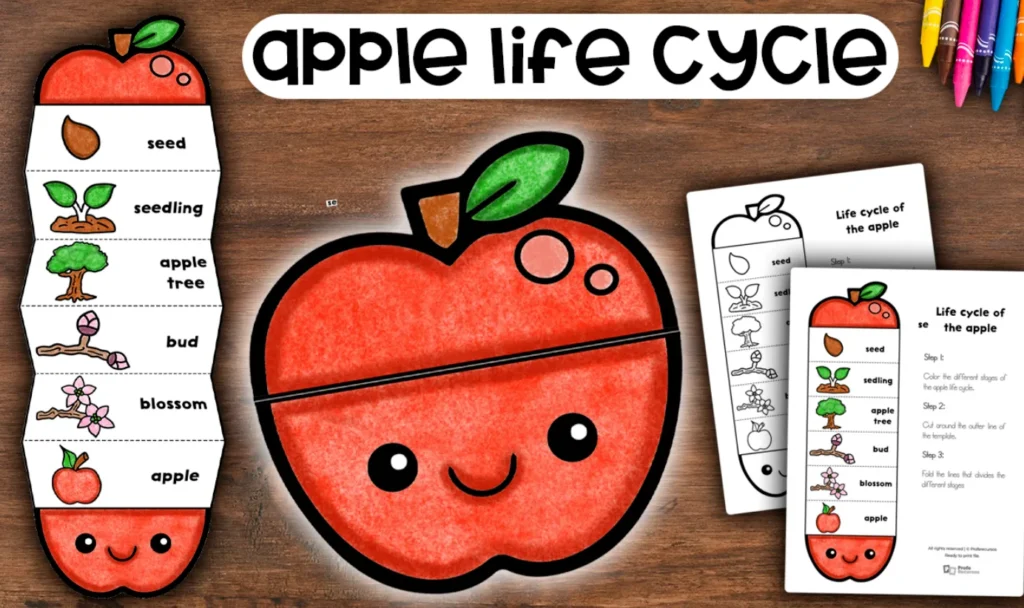
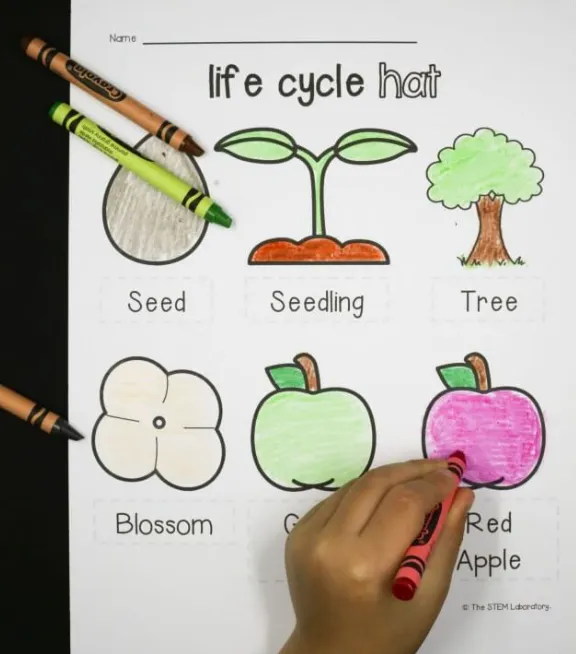
The life cycle of an apple consists of several stages, each essential for survival and reproduction:
- Seed Stage: The cycle begins with an apple seed, which contains the embryo of a new plant.
- Germination: Under suitable conditions (moisture, warmth, and oxygen), the seed sprouts and develops roots and shoots.
- Seedling Growth: The young plant grows leaves and begins photosynthesis.
- Sapling Stage: The tree strengthens its structure and begins to develop branches.
- Mature Tree: After several years, the tree becomes capable of producing flowers.
- Flowering: Apple trees bloom in spring, producing beautiful blossoms.
- Pollination: Bees transfer pollen, enabling fertilization.
- Fruit Formation: The fertilized flowers develop into apples.
- Seed Dispersal: Animals and environmental factors spread seeds, continuing the cycle.
Apple trees survive in nature through adaptations such as seasonal dormancy, strong root systems, and resistance to environmental stress.
Their Reproductive Process and raising their children
The reproductive process of apples is both complex and fascinating. Here are the key stages:
- Flower Production: Apple trees produce flowers that contain both male and female reproductive parts.
- Pollination by Insects: Bees and other pollinators transfer pollen between flowers.
- Fertilization: Once pollen reaches the ovule, fertilization occurs, leading to seed formation.
- Fruit Development: The fertilized ovary grows into an apple, protecting the seeds inside.
- Seed Protection: The fruit provides nutrients and protection to developing seeds.
- Seed Dispersal: Animals eat apples and spread seeds through their movement.
- Germination of New Plants: Seeds that land in suitable conditions grow into new apple trees.
This process ensures the continuation of the apple species and contributes to biodiversity.
The importance of them in the ecosystem
Apple trees play a vital role in maintaining ecological balance. Here are some key points:
- Food Source: Apples provide food for birds, insects, and mammals.
- Pollinator Support: Apple blossoms attract bees, supporting pollinator populations.
- Oxygen Production: Like all plants, apple trees produce oxygen through photosynthesis.
- Soil Health: Their roots help prevent soil erosion and improve soil structure.
- Habitat Creation: Apple trees provide shelter for various organisms.
- Carbon Sequestration: Trees absorb carbon dioxide, helping combat climate change.
- Biodiversity Enhancement: Apple orchards support diverse plant and animal life.
Their presence in ecosystems ensures sustainability and environmental stability.
What to do to protect them in nature and save the system for the future
To protect apple trees and maintain ecological balance, consider the following actions:
- 🌿 Promote Organic Farming: Reduce chemical pesticides and fertilizers.
- 🌱 Plant More Trees: Encourage reforestation and orchard development.
- 🐝 Protect Pollinators: Create bee-friendly environments.
- 💧 Conserve Water: Use sustainable irrigation methods.
- 🌍 Reduce Carbon Footprint: Support eco-friendly practices.
- 🌾 Maintain Soil Health: Use compost and natural fertilizers.
- 🚫 Avoid Deforestation: Protect natural habitats.
- 📚 Educate Communities: Spread awareness about environmental conservation.
These steps ensure the long-term survival of apple trees and ecosystems.
Frequently Asked Questions (FAQs)
1. How long does it take for an apple tree to produce fruit?
Typically, it takes 4–8 years for an apple tree to bear fruit.
2. What is the first stage of the apple life cycle?
The first stage is the seed stage.
3. Why is pollination important for apples?
Pollination enables fertilization, leading to fruit formation.
4. Where did apples originate?
Apples originated in Central Asia.
5. What is the scientific name of the apple?
The scientific name is Malus domestica.
6. Do all apple trees produce fruit every year?
Most do, but production can vary based on conditions.
7. What animals help in seed dispersal?
Birds and mammals play a major role.
8. How do apple trees survive winter?
They enter a dormant state to conserve energy.
Conclusion
The life cycle of an apple is a remarkable example of nature’s precision and resilience. From a simple seed to a fruit-bearing tree, each stage demonstrates the intricate processes that sustain life on Earth. Apples are not only a vital food source but also play a crucial role in maintaining ecological balance.
Understanding their evolution, reproduction, and ecological importance helps us appreciate their value beyond just consumption. In 2026, as environmental challenges continue to grow, protecting apple trees and their ecosystems has become more important than ever.
By adopting sustainable practices such as organic farming, protecting pollinators, and conserving natural habitats, we can ensure that apple trees continue to thrive for future generations.
Ultimately, the journey of an apple—from seed to fruit—is a powerful reminder of life’s interconnectedness. By preserving this cycle, we contribute to a healthier planet and a more sustainable future.
Also Read About: Life Cycle of a Monarch Butterfly