Fungi are one of the most fascinating and diverse groups of organisms on Earth. From microscopic molds to large mushrooms visible in forests, fungi play a vital role in maintaining ecological balance. If you’ve ever wondered what Fungi are, how they grow, and how they survive in nature, understanding the life cycle of fungi is the key.
Fungi are neither plants nor animals. They belong to their own kingdom, known as the Fungi Kingdom. Unlike plants, they do not perform photosynthesis. Instead, they obtain nutrients by decomposing organic matter. This unique ability makes them essential recyclers in nature.
The fungal cell structure is also different from that of both plant and animal cells. It contains chitin in its cell walls, which provides strength and protection. This structural feature is one of the defining characteristics of fungi.
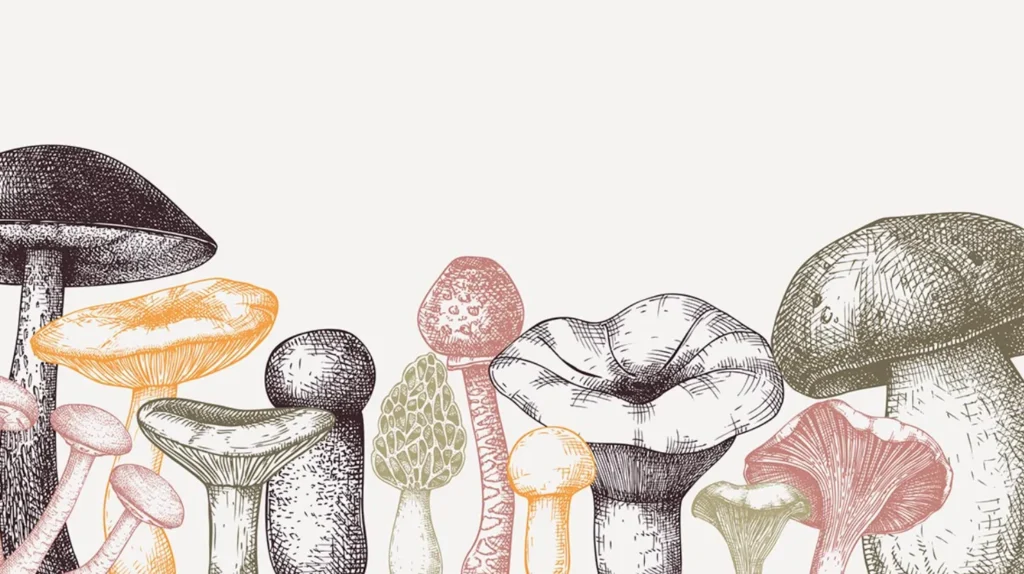
Fungi exist in many forms. Common examples of fungi include mushrooms, yeast, mold, and mildew. These organisms can be found in soil, water, air, and even inside living organisms.
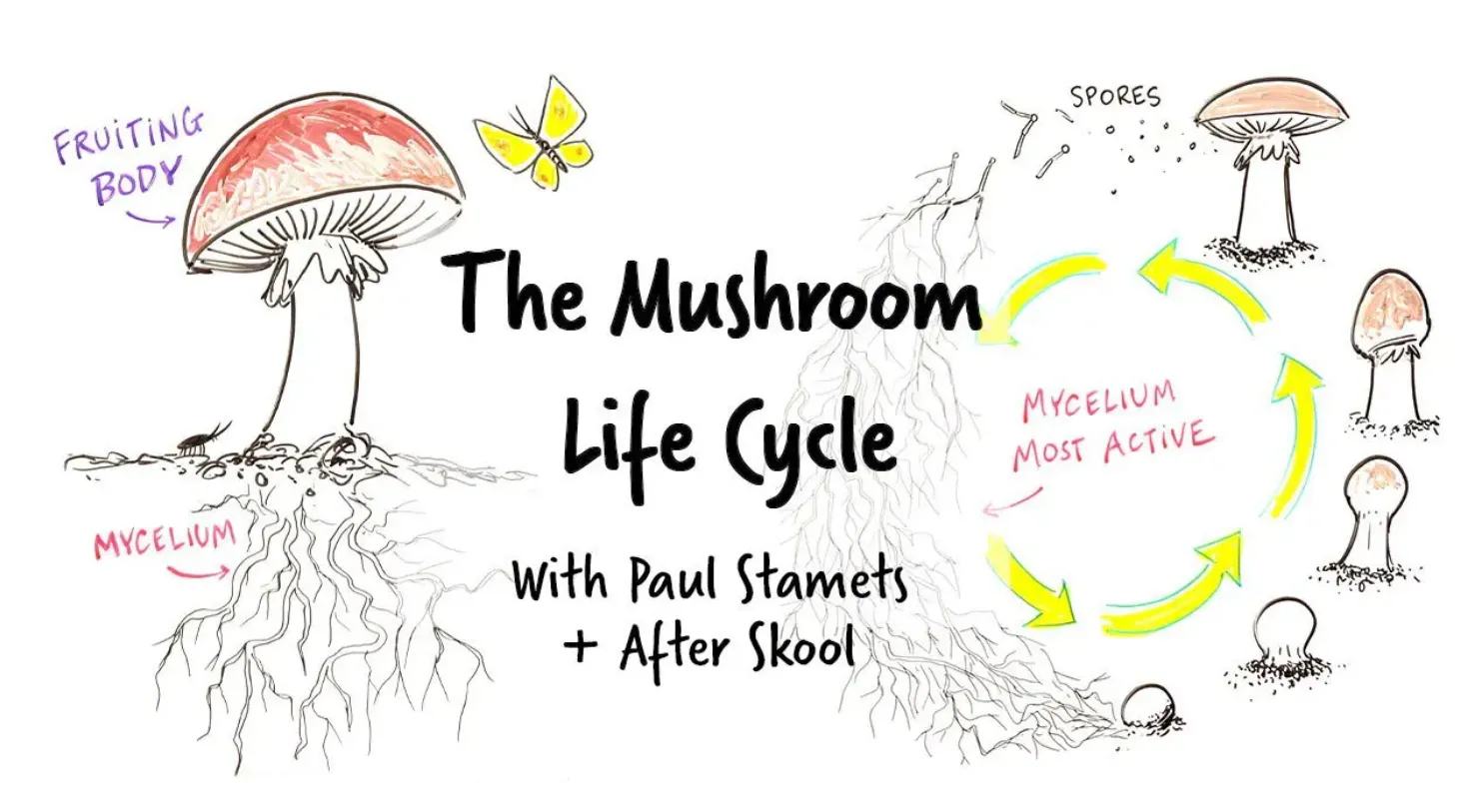
The life cycle of fungi is complex and varies among species. However, most fungi share a common pattern involving spore formation, germination, growth, and reproduction. This cycle allows fungi to adapt and survive in a wide range of environments.
Understanding fungi is important not only for biology students but also for agriculture, medicine, and environmental science. From producing antibiotics to decomposing waste, fungi are indispensable.
In this article, we will explore their origin, evolution, life cycle, reproduction, and importance in ecosystems. You will also learn how we can protect fungi to maintain ecological balance for the future.
Their Evolution And Their Origin
Fungi have a long and intriguing evolutionary history that dates back over one billion years. Scientists believe that fungi evolved from a common ancestor shared with animals, making them more closely related to animals than plants.
The earliest fungal fossils were discovered in ancient rock formations and are estimated to be around 800–1000 million years old. These early fungi were simple, single-celled organisms similar to modern-day yeast.
As time passed, fungi evolved into more complex multicellular organisms. This evolution allowed them to adapt to different environments, including land ecosystems. When plants first colonized land, fungi played a crucial role in supporting their growth.
One of the most important evolutionary developments was the formation of symbiotic relationships between fungi and plants. These relationships, known as mycorrhizae, helped plants absorb nutrients from the soil while providing fungi with carbohydrates.
Fungi also adapted to survive in extreme conditions. Some species can live in highly acidic environments, while others thrive in freezing temperatures. This adaptability is a key reason why fungi are found almost everywhere on Earth.
From an evolutionary perspective, fungi developed unique reproductive strategies. They produce spores instead of seeds, which allows them to spread over long distances. These spores can remain dormant for extended periods until favorable conditions arise.
Modern genetic research in 2026 has revealed that fungi possess highly complex genomes. This complexity enables them to respond quickly to environmental changes, making them resilient organisms.
The evolution of fungi has also contributed significantly to the development of ecosystems. Without fungi, dead organic matter would accumulate, and nutrient cycling would slow down dramatically.
The History of Their Scientific Naming
The scientific naming of fungi has evolved over centuries as scientists gained a better understanding of their structure and classification. Below are key points explaining this process:
- Early Classification (Pre-18th Century):
- Initially, fungi were classified as plants because they were stationary and grew from the soil. However, their lack of chlorophyll made them different.
- Carl Linnaeus Contribution (18th Century):
- Carl Linnaeus, the father of taxonomy, included fungi in his plant classification system. He introduced the binomial naming system still used today.
- Recognition as a Separate Kingdom:
- In the 20th Century, scientists realized that fungi were fundamentally different from plants and animals. This led to their classification into a separate kingdom.
- Modern Taxonomy (2026):
- Today, fungi are classified using genetic analysis and molecular biology. This allows scientists to group fungi based on evolutionary relationships.
- Binomial Nomenclature:
- Each fungus has a scientific name consisting of two parts: genus and species—for example, Agaricus bisporus (common mushroom).
- Use of DNA Sequencing:
- Modern techniques help identify fungi more accurately, even at microscopic levels.
- Naming Based on Characteristics:
- Many fungi names are based on their shape, structure, or habitat.
- Global Databases:
- Scientific naming is now standardized through global databases like MycoBank and Index Fungorum.
This structured naming system helps scientists communicate clearly and avoid confusion when studying different types of fungi.
Important Things That You Need To Know
Understanding fungi becomes easier when you explore key related concepts. Here are some important insights:
🔬 What is Fungi
Fungi are eukaryotic organisms that include yeasts, molds, and mushrooms. They absorb nutrients from organic matter rather than producing their own food.
🧫 Fungal Cell
The fungal cell contains a nucleus and is surrounded by a cell wall made of chitin. This makes it different from plant cells, which use cellulose.
🍄 Examples of Fungi
Common examples of fungi include:
- Mushrooms
- Yeast
- Mold
- Truffles
✏️ Fungi Drawing
A typical fungi drawing shows:
- Hyphae (thread-like structures)
- Mycelium (network of hyphae)
- Spores
🌱 Characteristics of Fungi
Key fungi characteristics include:
- Non-photosynthetic
- Heterotrophic nutrition
- Reproduce via spores
- Can be unicellular or multicellular
These fundamental concepts help you better understand how fungi function and survive in nature.
Their life cycle and ability to survive in nature
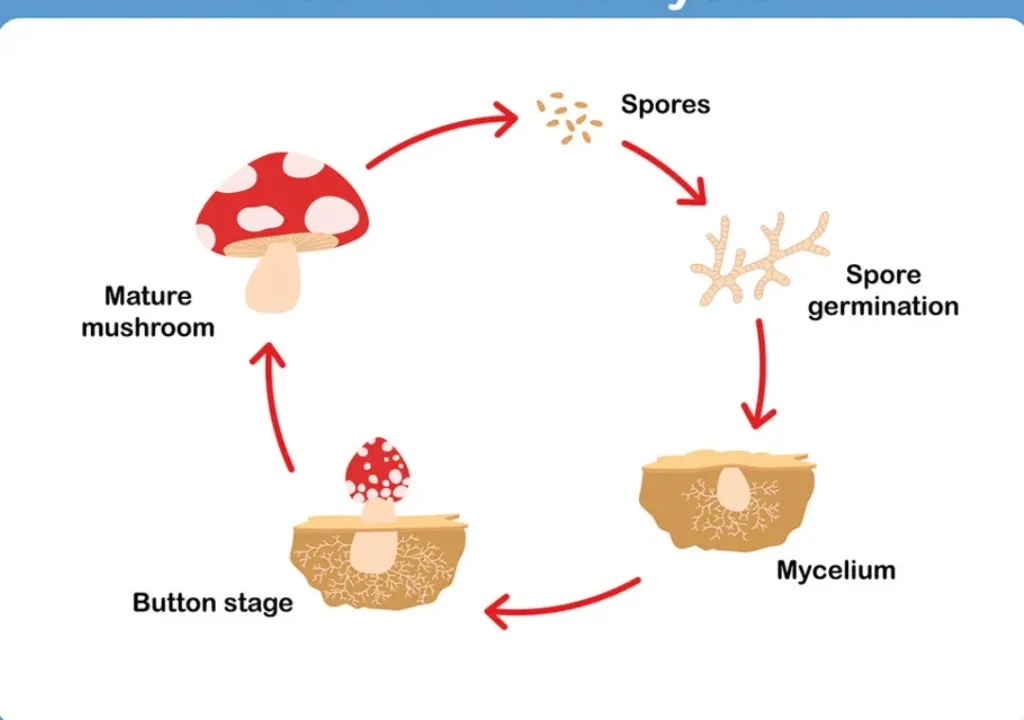
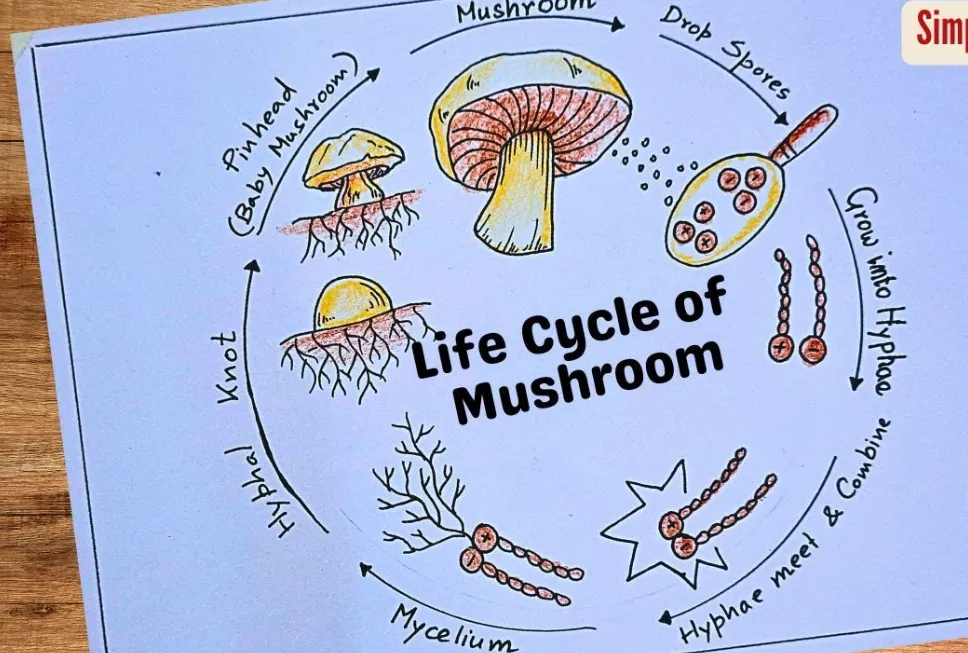
The life cycle of fungi is both fascinating and efficient, allowing them to survive in diverse environments. Below are the main stages:
- Spore Formation:
- Fungi begin their life cycle by producing spores. These spores are lightweight and can travel through air, water, or animals.
- Spore Germination:
- When spores land in a suitable environment, they germinate and form thread-like structures called hyphae.
- Mycelium Formation:
- Hyphae grow and intertwine to form a network known as mycelium. This is the main body of the fungus.
- Nutrient Absorption:
- The mycelium absorbs nutrients from organic matter, helping fungi grow and survive.
- Reproduction Stage:
- Fungi reproduce either sexually or asexually, producing new spores to continue the cycle.
🌍 Survival Abilities
- Fungi can survive extreme conditions such as heat, cold, and dryness.
- Their spores can remain dormant for years.
- They adapt quickly to environmental changes.
- Some fungi form symbiotic relationships for survival.
This life cycle ensures that fungi remain among the most resilient organisms on Earth.
Their Reproductive Process and raising their children
Fungi have unique reproductive methods that ensure their survival and spread. Here’s how they reproduce:
- Asexual Reproduction:
- Occurs through spores, budding, or fragmentation
- Faster and does not require a partner
- Common in yeast and molds
- Sexual Reproduction:
- It involves the fusion of two compatible nuclei
- Produces genetically diverse offspring
- Helps adaptation to changing environments
- Spore Production:
- Spores act like “children” of fungi
- Produced in large numbers
- Easily dispersed by wind or water
- Growth of New Fungi:
- Spores develop into new mycelium
- This forms a new fungal organism
- Protection of Offspring:
- Spores have protective coatings
- Can survive harsh conditions
Unlike animals, fungi do not “raise” their children. Instead, they rely on producing large numbers of spores to ensure survival.
The importance of them in the ecosystem
Fungi are essential for maintaining ecological balance. Here’s why they are important:
- Decomposition:
- Fungi break down dead plants and animals, recycling nutrients back into the soil.
- Soil Fertility:
- They enrich the soil by releasing essential nutrients such as nitrogen and phosphorus.
- Symbiotic Relationships:
- Fungi form partnerships with plants (mycorrhizae), helping them grow.
- Food Source:
- Many animals rely on fungi as a food source.
- Medicinal Value:
- Fungi are used to produce antibiotics like penicillin.
- Environmental Cleanup:
- Some fungi can break down pollutants, helping clean ecosystems.
- Carbon Cycle Contribution:
- They play a key role in regulating carbon levels in the environment.
Without fungi, ecosystems would collapse due to the accumulation of organic waste.
What to do to protect them in nature and save the system for the future
Protecting fungi is crucial for environmental sustainability. Here are steps we can take:
- Preserve Natural Habitats:
- Protect forests and ecosystems where fungi thrive.
- Reduce Pollution:
- Avoid chemical pollution that harms fungal growth.
- Promote Sustainable Agriculture:
- Use eco-friendly farming methods to support soil fungi.
- Avoid Overharvesting:
- Do not collect fungi excessively from the wild.
- Support Research:
- Encourage scientific studies on fungi conservation.
- Educate Communities:
- Raise awareness about the importance of fungi.
- Protect Soil Health:
- Maintain healthy soil to support fungal ecosystems.
- Limit Deforestation:
- Forest destruction directly impacts fungal diversity.
- Encourage Biodiversity:
- A diverse ecosystem supports fungal growth.
- Use Organic Waste Recycling:
- Composting helps fungi thrive naturally.
Taking these steps will help preserve fungi and ensure a balanced ecosystem for future generations.
Frequently Asked Questions (FAQs)
1. What is the life cycle of fungi?
The life cycle includes spore formation, germination, mycelium growth, and reproduction.
2. What are common examples of fungi?
Mushrooms, yeast, mold, and truffles are common examples.
3. How do fungi reproduce?
They reproduce through spores, both sexually and asexually.
4. What are the main characteristics of fungi?
They are non-photosynthetic, absorb nutrients, and reproduce via spores.
5. Where do fungi live?
Fungi live in soil, water, air, and inside living organisms.
6. Why are fungi important in ecosystems?
They decompose organic matter and recycle nutrients.
7. What is a fungal cell made of?
It contains a nucleus and a cell wall made of chitin.
8. Can fungi survive extreme conditions?
Yes, many fungi can survive harsh environments through dormant spores.
Conclusion
The life cycle of fungi is a remarkable process that highlights their adaptability, resilience, and importance in nature. From tiny spores to complex mycelium networks, fungi demonstrate a unique way of life that sets them apart from plants and animals.
Their ability to decompose organic matter makes them essential recyclers in ecosystems. Without fungi, nutrients would remain locked in dead organisms, disrupting the natural cycle of life. Additionally, their symbiotic relationships with plants enhance soil fertility and support plant growth.
Modern research in 2026 continues to uncover new insights into fungal biology, revealing their potential in medicine, agriculture, and environmental protection. From producing antibiotics to cleaning pollutants, fungi have immense practical value.
However, fungi face threats from pollution, habitat destruction, and climate change. Protecting them is not just about preserving biodiversity—it is about maintaining the health of our planet.
By understanding their life cycle, characteristics, and ecological roles, we can appreciate the importance of fungi and take steps to protect them. Supporting sustainable practices, reducing environmental damage, and promoting awareness are key to ensuring their survival.
In the end, fungi are silent yet powerful contributors to life on Earth. Their existence reminds us that even the smallest organisms play a massive role in sustaining the natural world.
Also Read About: Life Cycle of an Apple