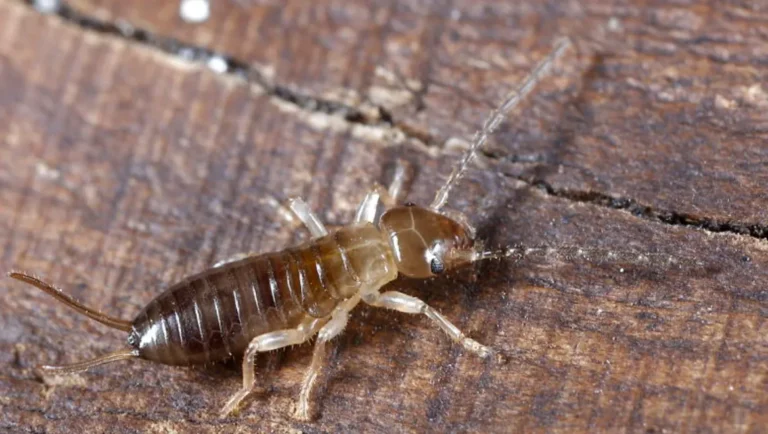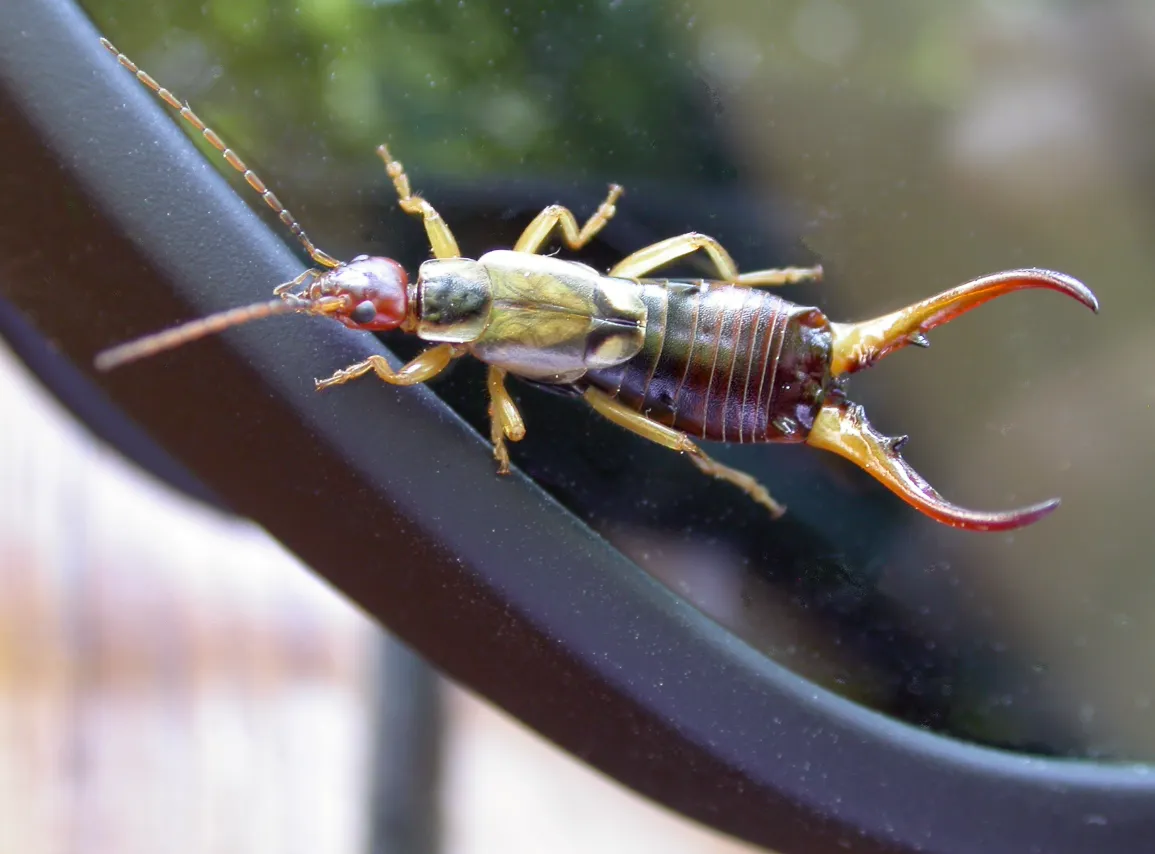
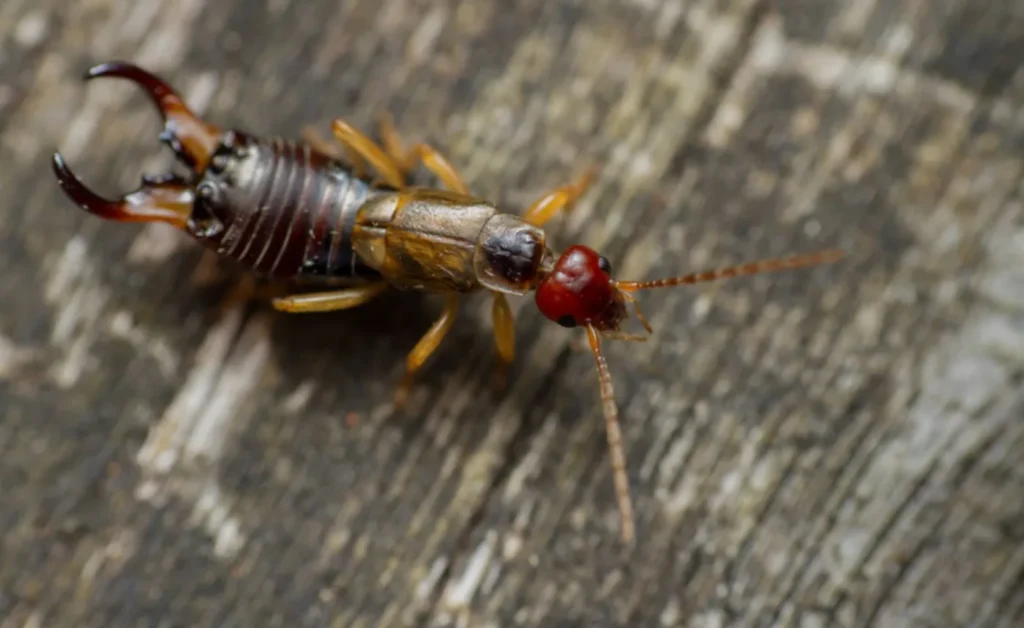
The earwig life cycle is one of the most interesting examples of insect development because earwigs show a rare behavior among insects: the mother protects and cares for her eggs and young. An earwig is a small, flattened, nocturnal insect known for the forceps-like pincers at the end of its abdomen. These pincers make earwigs look dangerous, but they are mostly harmless to humans and are usually considered nuisance insects rather than serious indoor pests.
Most people notice earwigs in damp gardens, under pots, near mulch, inside flowers, or sometimes inside homes. They prefer dark, cool, and moist places during the day and become active at night. In gardens, earwigs can chew holes in soft leaves, flowers, seedlings, and fruits, but they can also help by feeding on aphids, mites, insect eggs, and decaying organic matter.
Understanding the earwig life cycle helps homeowners, gardeners, and students identify eggs, nymphs, baby earwigs, and adults, as well as their seasonal behavior. It also helps with safe earwig control, especially when earwigs become too common around homes or vegetable gardens.
Q: What is an earwig?
A: An earwig is a nocturnal insect from the order Dermaptera, easily recognized by its flat body and tail-end pincers called cerci.
Q: Do earwigs bite humans?
A: An earwig bite is uncommon. Earwigs may pinch if trapped or handled, but they are not poisonous and do not usually attack humans.
Q: How long is the earwig life cycle?
A: Earwigs usually pass from egg to nymph to adult within one season, and many complete one generation per year, though this may vary depending on climate and species.
Quick Life Cycle Table
| Life Cycle Stage | Main Features | Typical Behavior | Importance |
| Egg | Small, pale, oval eggs laid in soil cells | Guarded and cleaned by the mother | Beginning of the earwig life cycle |
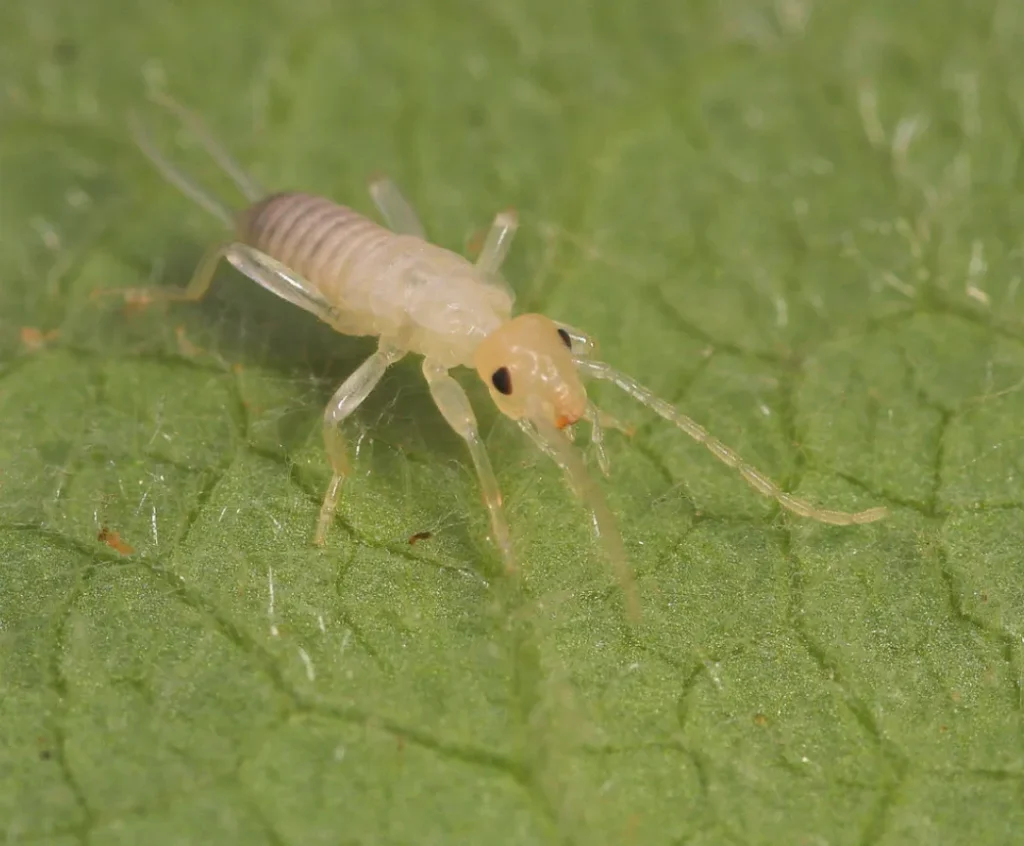
| First Nymph Stage | Tiny, pale, wingless baby earwig | Stays near the mother inside the nest | Protected by mother |
| Second Nymph Stage | Slightly larger, still wingless | May forage at night but returns to nest | Learns feeding behavior |
| Third and Fourth Nymph Stages | Darker, more adult-like body | Forages independently | Develops stronger survival ability |
| Adult Earwig | Fully developed pincers, darker body, reproductive maturity | Mates, hides by day, feeds at night | Reproduction and ecosystem role |
| Overwintering Stage | Adults shelter in soil or protected areas | Survive cold months in hidden places | Helps the species continue |
The History of Their Scientific Naming
The scientific naming of earwigs is connected to their unusual body structure. Earwigs belong to the insect order Dermaptera. The word Dermaptera comes from Greek roots: derma, meaning skin, and ptera, meaning wings. This name refers to the short, leathery forewings that protect the delicate folded hindwings of many earwig species.
The common European earwig is scientifically known as Forficula auricularia. It is one of the most widely recognized earwig species in gardens and homes. The genus name Forficula is linked with the idea of small forceps or scissors, which matches the insect’s tail pincers.
The species name auricularia relates to the ear-like shape of the folded hindwings. This is also associated with the common name earwig, though the old myth that earwigs enter human ears is misleading.
In reality, earwigs are not named because they live inside ears. Their name is more closely associated with wing shape, ancient language roots, and their distinctive appearance.
Their Evolution And Their Origin
The evolutionary history of earwigs goes back millions of years. Fossil evidence shows that ancient earwig-like insects existed during the Mesozoic era. This means earwigs are part of an ancient and successful insect group that has survived many environmental changes.
Early fossil earwigs were not the same as modern earwigs. Many ancient forms had longer, more segmented rear appendages rather than the strong, forceps-like pincers seen in modern species. Over time, these rear appendages became specialized for defense, mating, prey handling, and body movement.
Modern earwigs are successful because they are highly adaptable. They can live in gardens, forests, orchards, crop fields, compost areas, and human-modified landscapes. Their flattened bodies allow them to hide in narrow cracks, under bark, beneath stones, and inside plant debris.
The European earwig, Forficula auricularia, is especially successful because it can feed on a wide range of materials. It eats decaying plant matter, fungi, algae, flowers, pollen, small insects, insect eggs, and soft plant tissue.
Their origin also explains why they are active mainly at night. By hiding during the day, earwigs avoid predators, sunlight, and dryness. This nocturnal habit has helped them remain successful across different climates and habitats.
Their main food and its collection process
Earwigs are omnivorous insects, meaning they eat both plant-based and animal-based food. Their food collection process is strongly connected to nighttime activity. During the day, they hide in damp, dark places. At night, they leave their shelter and search for food on soil surfaces, leaves, flowers, fruit, mulch, and decaying organic material.
Their main foods include:
- Decaying plant matter: Earwigs help break down dead leaves, rotting stems, soft plant parts, and garden debris.
- Soft plant tissue: They may chew seedlings, flower petals, soft fruits, corn silk, and young leaves.
- Small insects: Earwigs can feed on aphids, mites, insect eggs, and weak or dead insects.
- Fungi and algae: In moist habitats, they may consume fungal growth and algae.
- Pollen and flowers: Some earwigs feed inside flowers, especially at night.
The feeding process starts with their long antennae. Earwigs use antennae to sense food, moisture, shelter, and nearby movement. Their chewing mouthparts then tear small pieces from leaves, petals, insects, or decaying material.
In gardens, their feeding behavior can be both useful and harmful. When they eat aphids and decaying material, they help maintain the natural balance. But when large numbers attack seedlings, flowers, strawberries, apricots, or corn silk, they can become pests.
This is why earwig control should be balanced. Not every earwig needs to be removed. Control is only needed when their population causes visible plant damage or indoor nuisance problems.
Important Things That You Need To Know
Before judging earwigs as only pests, it is important to understand their behavior. The term earwig often evokes fear because of their pincers, but they are not an aggressive insect. A so-called earwig bite is usually a defensive pinch, not a dangerous bite. They do not spread major human diseases, damage furniture, or reproduce indoors under normal home conditions.
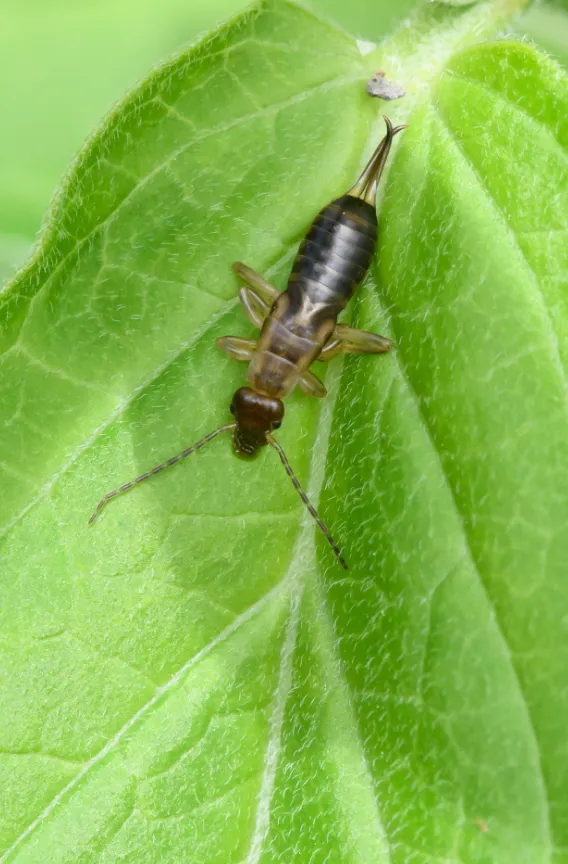
A baby earwig is called a nymph. It looks like a smaller, paler, wingless version of the adult. Baby earwigs pass through several molts before becoming adults. During early life, they may stay inside a protected soil nest with their mother.
For homeowners, a house earwig usually means an earwig that entered accidentally while searching for moisture, shelter, or cooler conditions. They often enter during hot, dry, or changing weather. Once inside, they usually do not survive long because indoor environments are often too dry, and food is limited.
For gardeners, earwig traps are one of the safest control methods. Rolled newspaper, bamboo tubes, short hose pieces, or shallow oil traps can collect earwigs overnight. These methods work well because earwigs naturally seek dark hiding places after feeding.
The European earwig is one of the most common and widely discussed species. It can be both a garden pest and a beneficial predator, depending on population size, plant type, and local conditions.
Their life cycle and ability to survive in nature
Egg Stage
The earwig life cycle begins when the female lays eggs in a small underground cell or protected soil nest. Female earwigs may lay dozens of eggs depending on species, climate, and environmental conditions.
The mother guards the eggs, moves them when needed, and cleans them to reduce fungal growth. This care is unusual among insects and improves egg survival.
Nymph Stage
After hatching, young earwigs are called nymphs. They look like miniature adults but are lighter in color and wingless. First-stage nymphs stay close to the mother. Second-stage nymphs may begin night foraging but often return to the nest.
As they grow, nymphs molt several times. With each molt, their bodies become darker and more adult-like. Their antennae, body segments, and future wing structures become more developed.
Adult Stage and Survival
Adults are active mainly at night and hide during the day. They survive by using moisture-rich shelters, flexible feeding habits, and protective pincers. They overwinter in soil, cracks, debris, or protected outdoor spaces.
This ability to hide, feed on a wide range of materials, and reproduce in protected nests makes earwigs highly adaptable.
Their Reproductive Process and raising their children
The reproductive process of earwigs is highly interesting because of their strong maternal behavior. Many insects lay eggs and leave them, but female earwigs actively protect their eggs and young.
Key points of reproduction and parental care include:
- Mating usually occurs in the fall: Male and female earwigs may stay together in a nest during the fall and early winter.
- Nest building occurs in soil: the female prepares a small underground cell under debris, soil, mulch, or in sheltered areas.
- Egg laying occurs in late winter or spring: The female lays eggs in a protected cluster.
- The male leaves or is pushed away: After overwintering, the female usually remains alone with the eggs.
- Mother cleans the eggs: She cleans them and moves them to protect them from fungi and environmental stress.
- Eggs hatch into nymphs: The young baby earwigs stay close to the mother after hatching.
- Mother protects early nymphs: She guards them until they become more independent.
- Nymphs molt repeatedly: They usually pass through several nymph stages before becoming adults.
This reproductive strategy gives earwig young a better chance of survival. Because the mother protects the eggs and early nymphs, fewer young are lost to fungi, predators, and environmental stress.
The care does not last forever. As the nymphs grow, they leave the nest and begin independent foraging. At that point, they become part of the free-foraging population.
The importance of them in this Ecosystem
Natural Decomposers
Earwigs help recycle organic matter. By feeding on decaying leaves, dead plant material, fungi, and soft organic waste, they support natural decomposition. This process returns nutrients to the soil and helps maintain healthy garden ecosystems.
Predators of Small Pests
Earwigs can feed on aphids, mites, insect eggs, and small soft-bodied insects. In some gardens and orchards, this makes them useful natural predators. Their role as aphid predators is one reason they should not always be removed immediately.
Food for Other Animals
Earwigs are also part of the food chain. Birds, toads, frogs, spiders, beetles, chickens, ducks, and other predators may eat them. This makes earwigs a useful food source for many animals in gardens and natural habitats.
Soil and Garden Balance
Because earwigs live near soil, mulch, leaf litter, and plant roots, they are connected to soil-surface ecology. They help break down waste and interact with many other small organisms.
However, balance is important. A small earwig population may benefit the Ecosystem, but a large population can damage seedlings, flowers, soft fruits, and vegetables. The best approach is not total elimination but responsible management.
What to do to protect them in nature and save the system for the future
Earwigs should be managed carefully rather than destroyed unnecessarily. They are part of the Ecosystem and can support soil health and the natural balance of pests.
- Avoid unnecessary pesticide use: use chemicals only when earwig damage is severe, and other methods have failed.
- Keep natural garden zones: Leave small areas with leaf litter, logs, and organic matter away from valuable seedlings.
- Use targeted earwig control: Place traps near damaged plants instead of treating the entire garden.
- Reduce indoor entry without killing outdoor populations: Seal cracks, repair gaps, and reduce moisture near foundations.
- Protect predators: Encourage birds, frogs, toads, spiders, and other natural predators that help balance earwig numbers.
- Use mulch wisely: Keep mulch away from house foundations and delicate seedlings, but maintain organic matter in suitable garden areas.
- Avoid overwatering: Earwigs love excess moisture, so water deeply but less often when possible.
- Move trapped earwigs when practical: If earwigs are not causing damage, relocate them to compost or natural areas.
- Check plants at night: Before using control methods, confirm that earwigs are actually causing the damage.
- Support biodiversity: A diverse garden with flowers, native plants, predators, and healthy soil reduces the risk of a single insect becoming a major problem.
Protecting earwigs does not mean allowing infestations. It means understanding their role and using smart, balanced control.
Frequently Asked Questions (FAQs)
Q1: What is the earwig life cycle?
A: The earwig life cycle includes egg, nymph, and adult stages. Earwigs do not have a pupal stage, so they develop through incomplete metamorphosis.
Q2: What does a baby earwig look like?
A: A baby earwig, or nymph, looks like a small adult. It is usually lighter in color, wingless, and has smaller, straighter pincers.
Q3: Do earwigs bite or pinch?
A: An earwig bite is rare. Earwigs may pinch with their pincers if trapped, but they are not poisonous and usually do not harm people.
Q4: Why do I see earwigs in my house?
A: A house earwig usually enters while searching for moisture, shelter, or protection from extreme outdoor weather. They do not normally reproduce indoors.
Q5: What are the best earwig traps?
A: Effective earwig traps include rolled newspaper, bamboo tubes, short hose pieces, cardboard rolls, and shallow oil traps.
Q6: Are earwigs harmful to gardens?
A: Earwigs can damage seedlings, flowers, soft fruits, and corn silk, but they can also eat aphids and decaying material. Their impact depends on population size and plant type.
Q7: What is the European earwig?
A: The European earwig, or Forficula auricularia, is one of the most common earwig species around homes and gardens. It is known for its reddish-brown body and tail pincers.
Q8: How can I control earwigs naturally?
A: Natural earwig control includes reducing moisture, removing debris, sealing house entry points, using traps, and avoiding heavy mulch near sensitive plants or foundations.
Conclusion
The earwig life cycle shows how a small insect can have a surprisingly complex and valuable role in nature. From protected eggs to pale baby earwigs, independent nymphs, and active adults, each stage helps the species survive in gardens, forests, soil, and human landscapes.
Earwigs are often misunderstood because of their pincers and old myths. In truth, they are not dangerous to humans. They may damage flowers, seedlings, and soft fruits when populations are high, but they also help decompose organic matter and control small pests like aphids.
The best approach is balanced management. Use earwig traps, reduce moisture, seal house entry points, and protect natural predators. By understanding what an earwig is, how it reproduces, and why it matters, we can manage problems without harming the Ecosystem unnecessarily.
Also Read: cicada bug life cycle