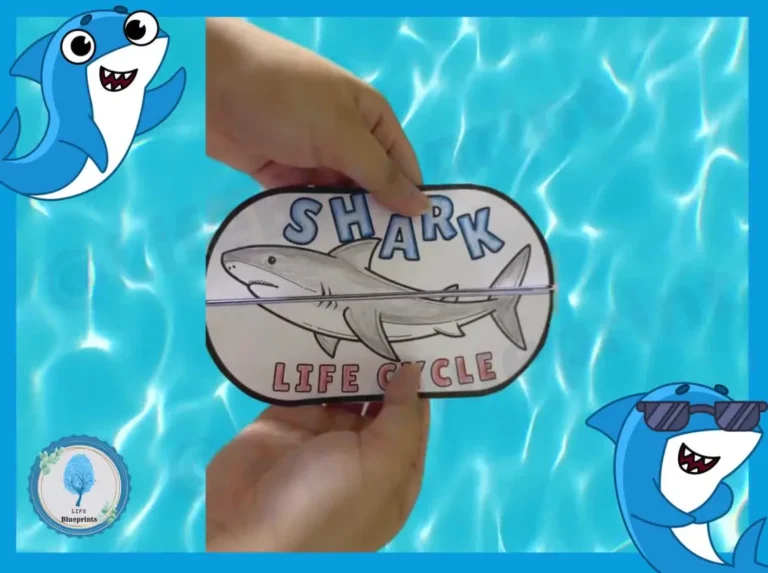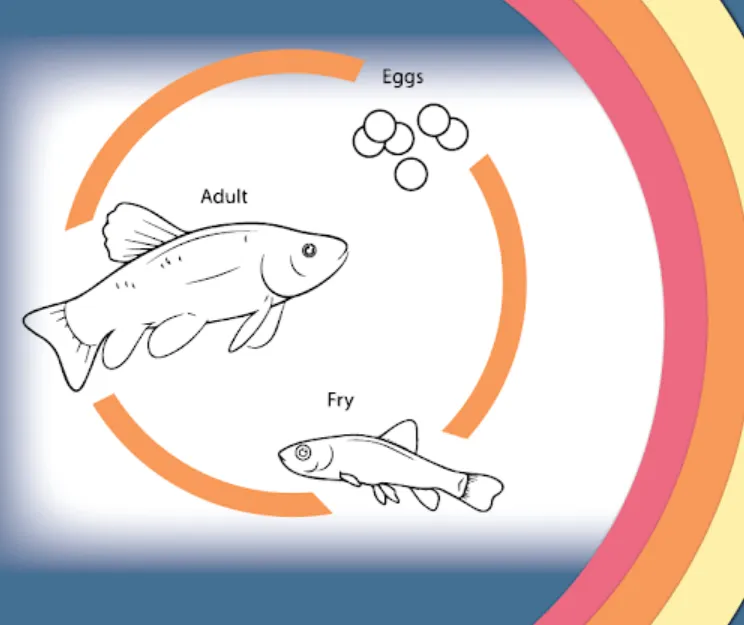
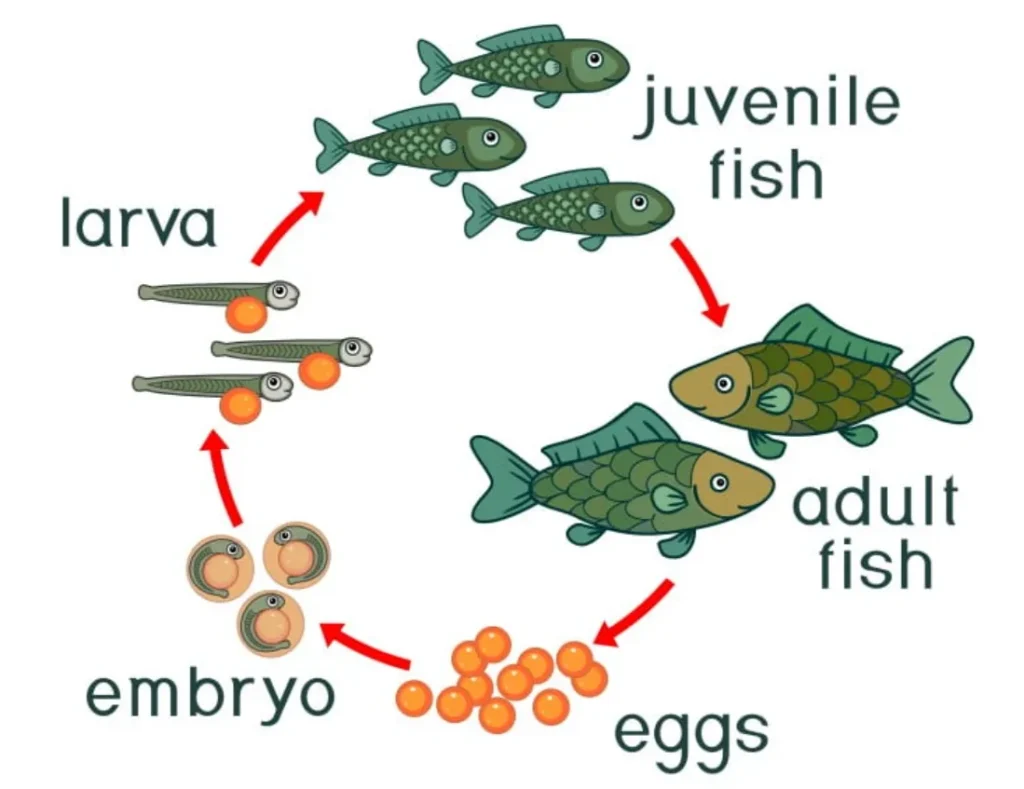
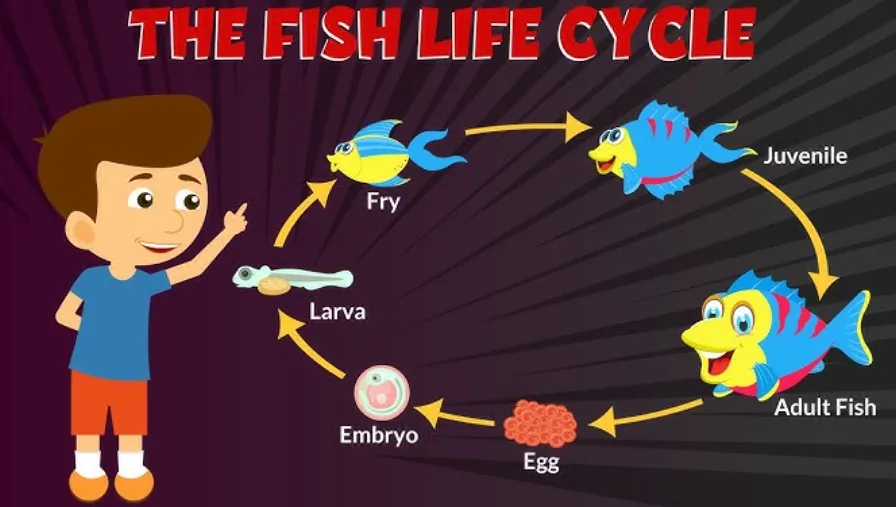
The fish life cycle is the natural process through which a fish grows from a tiny egg into a mature adult. Although every fish species has its own growth pattern, most fish pass through common stages: egg, embryo, larva, fry, juvenile, and adult fish. These stages help us understand how fish survive, reproduce, feed, and maintain balance in aquatic ecosystems.
Fish live in many environments, including rivers, lakes, ponds, oceans, wetlands, coral reefs, and even a fish tank. Their survival depends on clean water, oxygen, temperature, food supply, hiding places, and protection from predators. Some fish grow very quickly, while others take years to reach maturity.
The fish life cycle is important not only for biology students but also for aquarium keepers, fish farmers, environmental researchers, and anyone interested in aquatic life. By understanding how fish develop, we can protect their habitats, improve breeding success, and support a healthier ecosystem.
Q: What are the main stages of the fish life cycle?
A: The main stages are egg, embryo, larva, fry, juvenile, and adult fish.
Q: How long does a fish take to become an adult?
A: It depends on the species. Some small fish mature within a few months, while larger fish may take several years.
Q: Do all fish take care of their babies?
A: No. Many fish leave their eggs after spawning, but some species guard their eggs, protect nests, or carry their young in their mouths.
Quick Life Cycle Table
| Life Cycle Stage | What Happens | Main Survival Need |
| Egg | Fertilized eggs begin developing in water | Clean water, oxygen, a safe place |
| Embryo | Body parts start forming inside the egg | Stable temperature and protection |
| Larva | Newly hatched fish may use the yolk sac for food | Low predators and oxygen-rich water |
| Fry | Young fish begin feeding independently | Tiny food, plants, and shelter |
| Juvenile | The fish grows stronger and looks like a small adult | Food, space, and hiding places |
| Adult | Mature fish can reproduce and continue the cycle | Mates, breeding area, healthy habitat |
The History of Their Scientific Naming
The scientific naming of fish follows a formal system called binomial nomenclature. This method gives every species a two-part scientific name. The first part is the genus, and the second part is the species. This system helps scientists identify fish clearly, even when common names differ from country to country.
For example, the common goldfish is scientifically known as Carassius auratus. Atlantic cod is known as Gadus morhua. These names are useful because common names can be confusing. A fish may have one name in one region and a different name in another region.
Important points about fish scientific naming:
- The genus name comes first and begins with a capital letter.
- The species name comes second and begins with a lowercase letter.
- Scientific names are usually written in italic form.
- Naming helps scientists classify fish by structure, origin, and relationship.
- Fish are broadly grouped into jawless fish, cartilaginous fish, and bony fish.
Scientific naming is essential for studying the fish life cycle, reproduction, evolution, disease, conservation, and fish farming. Without proper naming, research and communication about fish species would become confusing.
Their Evolution And Their Origin
The origin of fish goes back hundreds of millions of years. Fish are among the earliest animals with a backbone, or vertebrates. Their long evolutionary history makes them one of the most important groups in the animal kingdom.
Early fish were simple, soft-bodied, and mostly jawless. Over time, fish developed stronger body structures, jaws, fins, scales, and better swimming ability. The development of jaws was one of the most important changes in fish evolution because it helped them catch food more effectively and defend themselves.
Fish also evolved gills, which allow them to take oxygen from water. Their streamlined bodies help them move smoothly through water. Fins help them balance, turn, stop, and swim in different directions. Scales protect the body from injury, parasites, and environmental stress.
As fish evolved, they spread into many aquatic habitats. Some adapted to freshwater rivers and lakes, while others adapted to saltwater oceans. Some fish live near the surface, while others survive in deep, dark waters. This ability to adapt has made fish extremely diverse.
Fish are also important in the broader history of life because ancient fish-like animals are linked to the evolution of land vertebrates. This means that studying fish helps scientists understand how life moved from water to land.
Today, fish remain successful because of their flexible body designs, strong reproductive strategies, wide dietary choices, and ability to survive in many aquatic environments.
Important Things That You Need To Know
When people search for the fish life cycle, they often use related terms such as fish, fish tank, goldfish, codfish, swai fish, and fish drawing. These keywords are connected to fish biology, aquarium care, food fish, and educational learning.
A fish tank is a controlled environment where people keep fish at home, in schools, or in research centers. In a fish tank, fish need clean water, proper oxygen, suitable temperature, enough space, and balanced food. If the water becomes dirty or the oxygen level drops, fish may become weak or die. Some fish can breed in a tank, but eggs and fry need extra care.
The goldfish is one of the most popular aquarium fish in the world. Many beginners keep goldfish, but they often do not know that goldfish need enough space, filtered water, and proper feeding. A healthy goldfish can grow well and live for many years when cared for correctly.
Cod fish are marine fish and are important in commercial fishing. Their life cycle includes egg release, larval growth, juvenile development, and adult reproduction. Cod fish are important in ocean food chains and human food systems.
Swai fish is a freshwater fish often used as a food fish. Its growth depends on water quality, feeding conditions, and proper fish farming practices. Like other fish, swai fish must pass through different life stages before reaching market size.
A fish drawing is useful for students because it helps explain body parts such as fins, scales, gills, eyes, mouth, and tail. Drawing the fish life cycle can also make learning easier.
However, terms like “California Fish Grill” are related to food or restaurants, not to fish biology. The term Albert Fish is unrelated to aquatic animals and should not be confused with the keyword fish.
Their main food and its collection process
Fish eat different types of food depending on their species, size, age, and habitat. Some fish are herbivores, some are carnivores, some are omnivores, and some are filter feeders. Their food collection process changes as they grow through different stages of the fish life cycle.
- Larval fish often begin life by depending on a yolk sac. This yolk sac provides nutrition during the earliest stage after hatching.
- After the yolk sac is used up, young fish begin feeding on tiny organisms such as plankton, microscopic algae, and small aquatic animals.
- Fry need soft, small food because their mouths and digestive systems are still developing.
- Juvenile fish become stronger and start eating larger food, such as insect larvae, small worms, tiny crustaceans, and plant particles.
- Adult fish may eat aquatic plants, algae, insects, shrimp, mollusks, worms, smaller fish, or dead organic matter.
- Predatory fish collect food by chasing, attacking, or ambushing prey.
- Bottom-feeding fish search the bottom of rivers, ponds, or lakes for worms, insects, and leftover organic materials.
- Filter-feeding fish collect tiny food particles by filtering water through special mouth or gill structures.
- Herbivorous fish graze on algae, aquatic plants, and plant-based matter.
Food availability is a major factor in survival. If young fish cannot find enough food after hatching, they may not survive. Healthy aquatic plants, clean water, wetlands, reefs, and natural food chains are therefore essential for the successful growth of fish.
Their life cycle and ability to survive in nature
Egg Stage
The egg stage begins after fertilization. Some fish lay eggs on aquatic plants, rocks, gravel, sand, or nests. Others release eggs freely into open water. Eggs need clean, oxygen-rich water to develop properly.
Eggs are very vulnerable at this stage. Other fish, insects, birds, and aquatic animals eat many of them. Pollution, low oxygen, and sudden temperature changes can also damage eggs.
Embryo Stage
Inside the egg, the embryo begins to develop. The head, tail, eyes, backbone, and basic body parts slowly form. This stage continues until the young fish is ready to hatch.
The embryo depends on the egg environment. If the water is too warm, too cold, dirty, or low in oxygen, development may fail.
Larval Stage
After hatching, the fish enters the larval stage. At first, many larvae cannot swim strongly. They may still have a yolk sac attached to their body, which provides food for a short time.
During this stage, larvae are small, weak, and easy prey. They must stay in safe areas where food is available and predators are fewer.
Fry Stage
When the yolk sac is absorbed, the fish becomes a fry. Fry begin swimming more actively and searching for food. They eat tiny organisms and need shelter among plants, roots, rocks, or shallow water.
This is one of the most dangerous stages because fry are still small and easily eaten.
Juvenile Stage
The juvenile fish looks like a smaller version of the adult. Its fins, scales, body shape, and swimming ability become stronger. Juveniles eat more food and grow quickly.
They still need protection from predators and environmental stress.
Adult Stage
The adult fish is fully mature and able to reproduce. Adult fish search for food, avoid predators, migrate when needed, and find suitable breeding areas.
Fish survive in nature through camouflage, fast swimming, schooling behavior, keen senses, protective scales, hiding, and producing many eggs.
Their Reproductive Process and raising their children
Fish reproduction is highly diverse. Some fish release thousands or even millions of eggs, while others produce fewer young but protect them carefully. The reproductive method depends on the species, habitat, and survival strategy.
- Spawning is the process by which fish release eggs and sperm for reproduction.
- Most fish use external fertilization, where the female releases eggs and the male releases sperm into the water.
- Some fish use internal fertilization, in which fertilization occurs within the female’s body.
- Many fish choose special breeding areas, such as shallow water, gravel beds, aquatic plants, coral reefs, or river mouths.
- Some fish build nests before laying eggs.
- Many species leave their eggs after spawning and provide no parental care.
- Some fish guard their eggs until they hatch.
- Certain fish protect their young by keeping them in their mouths. This is called mouthbrooding.
- In some species, male fish protect the eggs, while in others, both parents may help.
- Live-bearing fish give birth to free-swimming young instead of laying eggs.
Raising young fish is difficult because eggs, larvae, and fry face many threats. Predators, pollution, low oxygen levels, diseases, and food scarcity can reduce survival. Fish that do not care for their young usually produce many eggs. Fish that provide parental care often produce fewer eggs but give their young better protection.
The importance of them in this Ecosystem
Fish Support Aquatic Food Webs
Fish are a key part of aquatic food chains. Small fish eat plankton, algae, insects, and tiny organisms. Larger fish eat smaller fish. Birds, reptiles, mammals, and humans also depend on fish as a food source.
Without fish, the balance of aquatic food webs would become weak.
Fish Control Populations
Fish help control the population of insects, plankton, worms, algae, and smaller aquatic animals. This prevents certain species from growing too much and disturbing the natural balance.
For example, some fish eat mosquito larvae, helping reduce mosquito populations.
Fish Help Nutrient Cycling
Fish move nutrients through water systems. When fish eat, produce waste, migrate, or die, nutrients return to the Ecosystem. These nutrients support plants, plankton, and other aquatic life.
This process helps maintain a healthy environment.
Fish Support Human Life
Fish are an important source of protein, vitamins, minerals, and healthy fats. Many communities depend on fishing, fish farming, and fish markets for income and food security.
Fish also support jobs in aquaculture, seafood trade, restaurants, research, and tourism.
Fish Indicate Water Health
Healthy fish populations often indicate good water quality. When fish disappear or die suddenly, it may signal pollution, low oxygen, habitat damage, disease, or climate stress.
This makes fish important indicators of environmental health.
Fish Maintain Biodiversity
Fish contribute to biodiversity in rivers, lakes, oceans, wetlands, and coral reefs. Each species has a unique role in the Ecosystem. Losing one species can affect many others.
What to do to protect them in nature and save the system for the future
Protecting fish means protecting clean water, breeding places, food chains, and natural habitats. Fish cannot survive without a balanced aquatic environment. Human activities such as pollution, overfishing, plastic waste, and habitat destruction can seriously harm fish populations.
- Reduce water pollution by keeping chemicals, oil, plastic, and untreated waste away from rivers, lakes, ponds, and oceans.
- Protect spawning areas, including wetlands, mangroves, coral reefs, gravel beds, and shallow breeding zones.
- Avoid overfishing so adult fish get enough time to reproduce.
- Follow fishing rules, including seasonal bans, size limits, and protected fishing zones.
- Protect young fish by avoiding fishing in nursery areas.
- Control invasive species because they can eat eggs, compete for food, and damage local ecosystems.
- Maintain natural river flow so migrating fish can reach their breeding grounds.
- Use sustainable aquaculture to reduce pressure on wild fish populations.
- Keep fish tanks responsibly and never release aquarium fish into natural water bodies.
- Reduce plastic use because microplastics can enter fish bodies and damage the food chain.
- Restore damaged habitats by planting riverbank vegetation and cleaning local water bodies.
- Educate communities about the importance of the fish life cycle and aquatic biodiversity.
- Support responsible seafood choices by choosing fish from sustainable sources.
- Prevent chemical runoff from farms, factories, and households.
The future of fish depends on responsible human behavior. Clean water, protected habitats, and balanced fishing practices are essential for saving fish and the Ecosystem.
Frequently Asked Questions (FAQs)
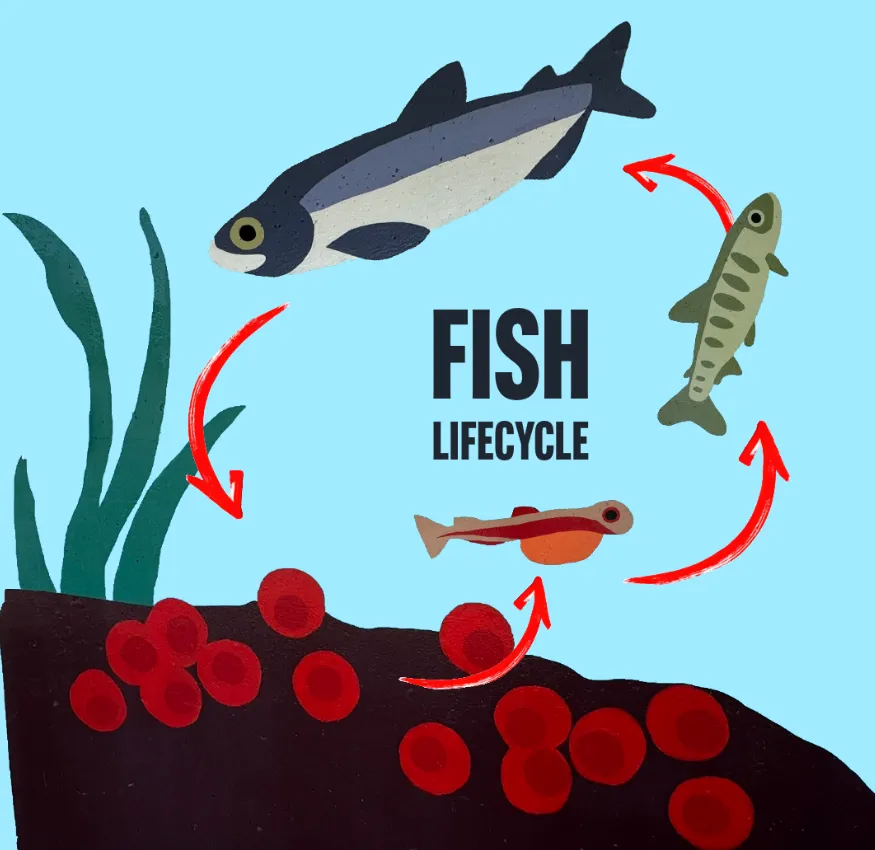
Q1: What is the fish life cycle?
A: The fish life cycle is the natural growth process of fish from egg to adult. It usually includes egg, embryo, larva, fry, juvenile, and adult stages.
Q2: What is the first stage of a fish’s life?
A: The first stage is the egg stage. After fertilization, the embryo begins developing inside the egg.
Q3: What do baby fish eat?
A: Baby fish may first use a yolk sac. After that, they eat plankton, algae, tiny insects, and microscopic organisms.
Q4: What is the difference between larva and fry?
A: A larva is newly hatched and may still depend on a yolk sac. A fry can swim better and start feeding independently.
Q5: Do fish protect their eggs?
A: Some fish protect their eggs, but many do not. Certain species guard nests, protect eggs, or carry young in their mouth.
Q6: Can the fish life cycle happen in a fish tank?
A: Yes, some fish can complete their life cycle in a fish tank if water quality, oxygen, temperature, space, and food are properly maintained.
Q7: Why do many fish lay so many eggs?
A: Many eggs and young fish are eaten by predators or die from environmental stress. Laying many eggs increases the chance that some will survive.
Q8: Why is the fish life cycle important?
A: The fish life cycle is important because it supports food webs, reproduction, biodiversity, nutrient cycling, and ecosystem balance.
Conclusion
The fish life cycle is a remarkable natural process that shows how fish grow, survive, reproduce, and support aquatic ecosystems. From the delicate egg stage to the mature adult fish, every stage plays an important role in maintaining fish populations.
Fish need clean water, oxygen, food, shelter, and safe breeding areas to complete their life cycle. Their development can be affected by pollution, habitat loss, overfishing, temperature changes, and predators. That is why protecting aquatic environments is so important.
Fish are also valuable for humans because they provide food, income, nutrition, and ecological services. They help balance food chains, control aquatic populations, and indicate water health.
By understanding the fish life cycle, we can make better decisions about conservation, fish farming, aquarium care, and environmental protection. Saving fish means saving water ecosystems, biodiversity, and the future balance of nature.
Also Read: tomato worm life cycle