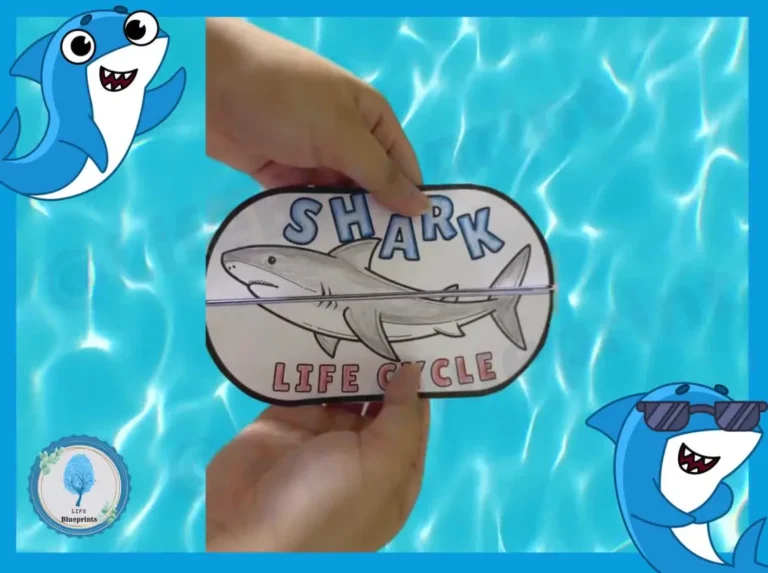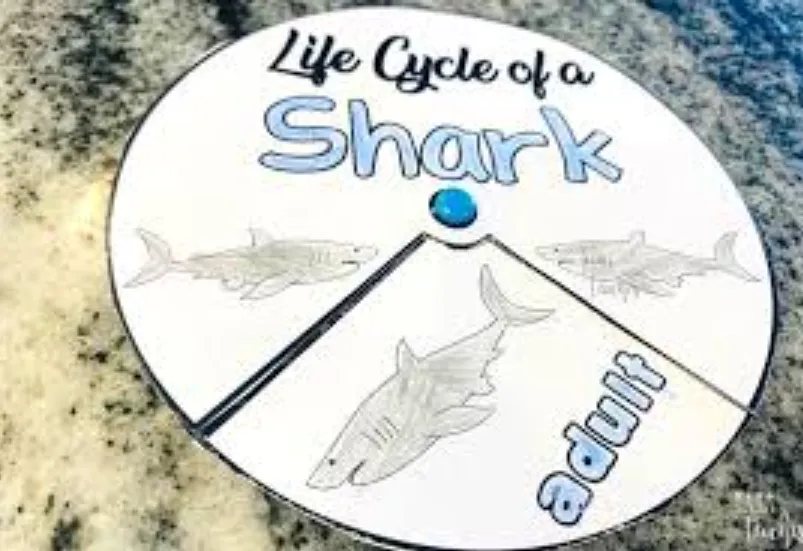
The life cycle of a great white shark is one of the most fascinating journeys in the ocean. The great white shark, scientifically known as Carcharodon carcharias, is a large, warm-blooded predatory shark found in temperate and coastal waters worldwide. It is famous for its powerful body, sharp triangular teeth, excellent senses, and important role as an apex predator.
A newborn great white shark is already large, usually around 4 feet long at birth, and it must survive without parental care from the moment it enters the water. As it grows, its diet changes from smaller prey such as fish, squid, rays, and smaller sharks to larger prey such as seals, sea lions, dolphins, and whale carcasses. Adult white sharks can reach about 21 feet and may live 70 years or more, making them a long-lived but slow-reproducing species.
Because they mature slowly and produce relatively few pups, great white sharks are vulnerable to threats such as accidental capture in fishing gear, habitat pressure, and illegal trade. Current conservation assessments list the species as Vulnerable, meaning protection is important for both the shark and the wider marine ecosystem.
Q: How many stages are in the life cycle of a great white shark?
A: The main stages are newborn pup, juvenile, subadult, and adult.
Q: How long can a great white shark live?
A: Scientific sources report that white sharks may live 70 years or more, especially in the wild.
Q: Do great white sharks lay eggs?
A: No. They give birth to live pups after the eggs hatch inside the mother’s body.
Quick Life Cycle Table
| Life Stage | Approx. Size | Main Food | Key Features |
| Newborn Pup | About 4–5 ft | Small fish, rays, squid | Born independent; no parental care |
| Juvenile | Around 5–10 ft | Fish, squid, rays, and small sharks | Learns hunting skills in safer coastal areas |
| Subadult | Around 10–15 ft | Larger fish, rays, seals | Begins wider migration and stronger predatory behavior |
| Adult | Up to about 21 ft | Seals, sea lions, dolphins, whale carcasses | Mature apex predator with a major ecosystem role |
Important Things That You Need To Know
When people search for the life cycle of a great white shark, they often also search for related topics such as great white shark size, the biggest great white shark, great white shark attacks, great white sharks near tourist beaches, and great white sharks off Block Island. These terms are popular because this species is both scientifically important and widely misunderstood.
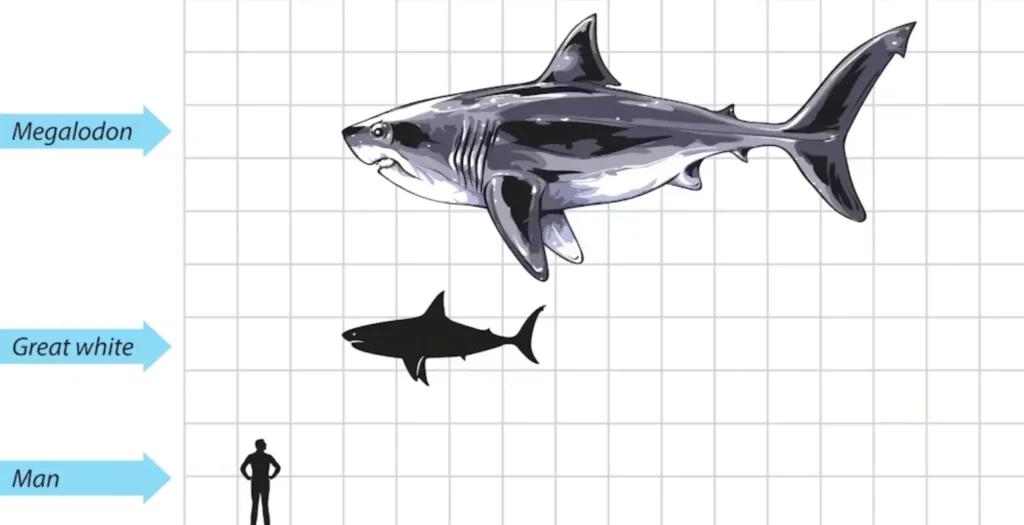
The great white shark’s size can be impressive. Reliable sources report that adults can reach up to 21 feet and weigh up to 4,500 pounds. However, claims about the “largest” or biggest great white shark are often exaggerated in the media or online posts.
The phrase “great white shark attack” also attracts significant search interest, but it should be used carefully. Most white sharks do not hunt humans as normal prey. Many bite incidents are believed to involve curiosity, mistaken identity, or investigative biting rather than feeding behavior. The International Shark Attack File is the main scientific database used to track shark bite cases globally.
Searches for great white sharks near tourist beaches often increase during the summer. Sightings near coasts do happen because juvenile sharks may use nearshore habitats, and adults may follow prey such as seals. Beachgoers should follow local safety alerts rather than panic.
For the great white shark, Block Island has seen a recent increase in public interest after shark sightings in Rhode Island waters. A widely shared 2025 Block Island pond sighting was identified as a basking shark, not a white shark, while later underwater research footage reportedly recorded a young white shark near Block Island.
The History Of Their Scientific Naming, Evolution, and Their Origin
Scientific Name and Meaning
The great white shark is scientifically named Carcharodon carcharias. The genus name Carcharodon comes from Greek roots meaning “sharp or jagged tooth,” which matches the shark’s large, serrated teeth. The species name carcharias also relates to the Greek word for shark.
The species was originally described by Carl Linnaeus in 1758 as Squalus carcharias. Later, it was placed in the genus Carcharodon, which is still used today.
Evolutionary Origin
For many years, people believed the great white shark was closely related to megalodon because both had large, triangular, serrated teeth. However, modern fossil research suggests that the great white is more closely related to ancient mako-like sharks than to megalodon.
Fossils such as Carcharodon hubbelli show transitional tooth features between older broad-toothed mako sharks and modern white sharks. Smithsonian Ocean notes that fossil shark teeth are especially important because shark skeletons are mostly cartilage, which does not fossilize as readily as bone.
Natural Origin and Distribution
Great white sharks likely evolved as highly mobile ocean predators, adapted for speed, power, and long-distance travel. Today, they are found in many temperate marine regions, including the coasts of North America, South Africa, Australia, New Zealand, and parts of the Mediterranean.
Their Reproductive Process, Giving Birth, and Raising Their Children
Mating and Internal Fertilization
The great white shark reproduces through internal fertilization. Male sharks use special reproductive organs called claspers to transfer sperm to the female. Mating is rarely observed in the wild, so many details remain difficult for scientists to document directly.
Live Birth, Not Egg-Laying
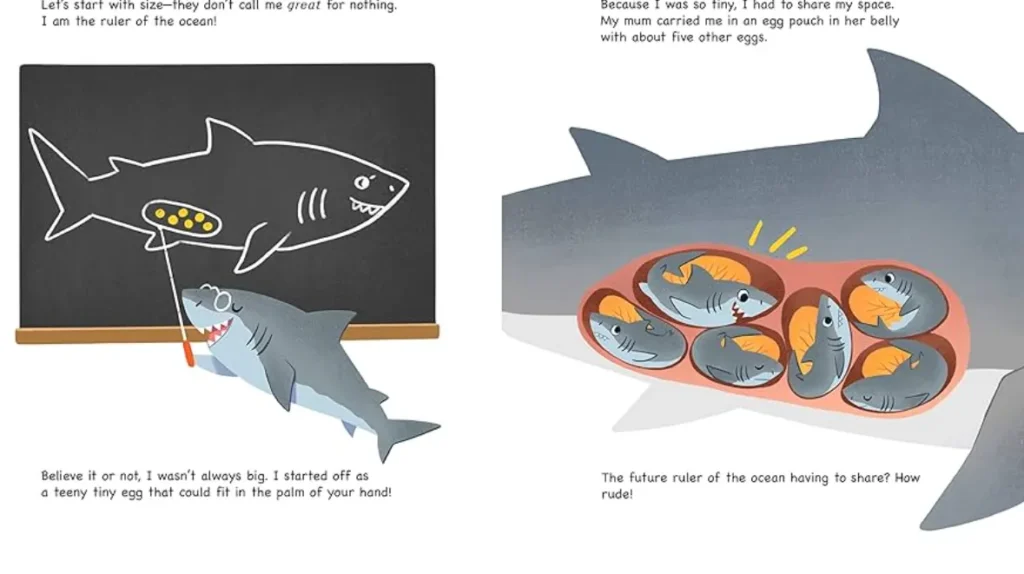
Great white sharks do not lay eggs on the seafloor. They are commonly described as ovoviviparous, meaning embryos develop inside eggs that hatch within the mother’s body. The pups are then born live.
During development, embryos first use their yolk sacs. Later, they may receive additional nutrition from the uterus and consume unfertilized eggs. This helps them grow large before birth.
Gestation and Litter Size
The gestation period is believed to be around 12 months, although exact timing may vary. Females give birth to relatively small litters compared with many fish species. Reports commonly cite litter sizes of 2–12 pups, though exact numbers are difficult to confirm because pregnant females are rarely studied.
No Parental Care
After birth, pups receive no parental protection. A newborn great white shark must swim, hunt, avoid predators, and survive independently. This makes the early life stage risky, but pups are already large enough to catch small prey.
Because females mature late and reproduce slowly, every surviving pup is important for the future population.
Stages of the Great White Shark Life Cycle
Stage 1: Newborn Pup
The first stage in the life cycle of a great white shark begins when the mother gives birth to live pups. A newborn pup may be about 4 feet long, which is already larger than many adult fish.
At this stage, the pup is fully independent. It must swim continuously, find food, and avoid larger predators. Young pups commonly feed on small fish, squid, rays, and smaller sharks.
Stage 2: Juvenile Shark
The juvenile stage is a major period of learning. Juvenile great white sharks often stay closer to coastal nursery areas where food is available, and the environment may be safer than deep offshore waters.
Their diet is mostly fish-based, but as the shark grows, its jaws, teeth, muscles, and hunting skills improve. This stage can last many years because great white sharks grow slowly.
Stage 3: Subadult Shark
A subadult great white shark is larger, stronger, and better able to travel long distances. At this stage, it begins shifting toward bigger prey.
Subadults may start hunting seals or scavenging from whale carcasses. They also begin using wider migration routes, moving between feeding grounds, seasonal habitats, and warmer or cooler waters.
Stage 4: Adult Great White Shark
The adult stage is the final and most powerful phase. Adult great white sharks are apex predators, meaning they sit near the top of the food chain.
Adults can prey on seals, sea lions, dolphins, large fish, and carrion from dead whales. They also play a vital ecological role by helping regulate prey populations and removing weak or dead animals from the marine system.
Their Main Diet, Food Sources, and Collection Process Explained
Main Diet by Age
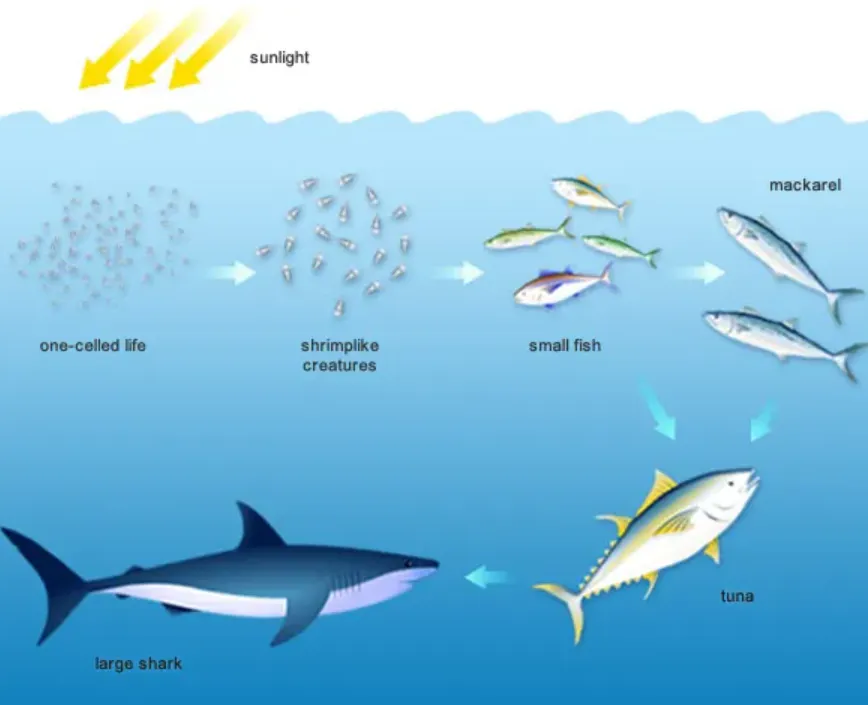
The diet of a great white shark changes as it grows. Juveniles usually eat fish, squid, stingrays, and smaller sharks. These foods are easier for younger sharks to catch and digest.
As the shark becomes larger, it begins to target more energy-rich prey. Adult white sharks commonly eat seals, sea lions, dolphins, porpoises, sea turtles, large fish, and whale carcasses. The Australian Museum notes that juvenile white sharks usually feed on squid and fish, while adults shift toward marine mammals and carrion.
Hunting Strategy
Great white sharks often use surprise attacks. They may swim beneath prey and strike upward at high speed. This hunting method is especially known in areas where seals gather.
Their gray upper bodies help them blend with deeper water, while their white undersides help camouflage them from below. This color pattern is called countershading.
Food Collection Process
Great white sharks do not “collect” food like birds or mammals. Instead, they locate prey using smell, vision, vibration detection, and electrical sensing.
They can detect tiny movements in water through the lateral line system and sense weak electrical signals from living animals through special organs called ampullae of Lorenzini.
They may also scavenge. Whale carcasses are valuable food sources because they provide large amounts of fat-rich energy.
How Long Does A Great White Shark Live
The lifespan of the great white shark is much longer than scientists once believed. Modern research indicates that white sharks may live 70 years or more, making them among the longest-lived predatory fish species.
- Estimated lifespan: Great white sharks can live for several decades, with some estimates reaching 70+ years.
- Slow growth: They do not become adults quickly. This slow growth makes population recovery difficult when too many sharks are lost.
- Late maturity: White sharks reach reproductive maturity late in life. Some sources report that maturity may occur in the late 20s or early 30s, especially for females.
- Low reproductive rate: Females do not give birth every year. They may reproduce only every few years, producing a small number of pups compared with many other fish.
- High survival importance: Because reproduction is slow, each young shark is highly valuable to the species’ future.
- A wild lifespan is more natural: Great white sharks are built for long-distance movement, open-water swimming, and complex hunting behavior. Their true lifespan can only be understood properly in the wild.
- Captivity is not suitable: Great whites have historically done poorly in aquariums because they are large, migratory, stress-sensitive predators.
- Threats can shorten life: Bycatch, illegal fishing, habitat disruption, and prey decline can reduce survival before sharks reach old age.
- Long life supports ecosystem balance: Older sharks are experienced predators and may help stabilize marine food webs.
- Conservation depends on patience: Because they live long and reproduce slowly, great white shark populations cannot rebound quickly after decline.
Great White Shark Lifespan in the Wild vs. in Captivity
Lifespan in the Wild
In the wild, a great white shark may live 70 years or more. Wild sharks have the space to migrate, hunt naturally, regulate their body temperature, and follow the seasonal movements of prey. Their long lifespan supports their role as stable apex predators.
Wild survival depends on many factors, including prey availability, water temperature, human pressure, and fishing risk. Juveniles face more danger than adults because they are smaller and less experienced.
Lifespan in Captivity
Great white sharks do not adapt well to captivity. They need large ocean ranges, constant movement, and natural hunting behavior. Their size and stress response make aquarium life extremely difficult.
Monterey Bay Aquarium achieved rare short-term success with juvenile white sharks, including one shark kept for 198 days. Still, the program ended, and no aquarium currently maintains great white sharks as a normal exhibit.
Why the Difference Matters
The difference in lifespan between wild and captive animals shows that great white sharks are not suitable as display animals. They are best protected in their natural habitat, where they can behave naturally and help maintain the balance of the ocean.
Importance of the Great White Shark in this Ecosystem
Apex Predator Balance
The great white shark is an apex predator. This means it helps control populations of animals lower in the food chain, especially marine mammals and large fish.
By targeting weak, sick, or vulnerable prey, great whites may help maintain healthier prey populations over time.
Scavenger Role
Great white sharks also feed on dead whales and other carcasses. This scavenging role helps recycle nutrients in the ocean.
Large carcasses are rich in fat and energy, and white sharks are one of the animals that help break them down naturally.
Indicator of Ocean Health
Because great white sharks need healthy prey populations and suitable habitats, their presence can indicate a functioning marine ecosystem.
A decline in white sharks may suggest wider problems, such as overfishing, pollution, habitat disruption, or reduced prey availability.
Biodiversity Protection
Protecting great white sharks also protects many connected species. Conservation actions such as reducing bycatch, protecting nursery areas, and improving fisheries management benefit the broader marine environment.
What to Do to Protect Them in Nature and Save the System for the Future
Reduce Accidental Bycatch
- Use shark-safe fishing gear where possible.
- Improve release methods for accidentally caught sharks.
- Support fisheries that follow science-based rules.
Protect Nursery and Feeding Areas
- Identify coastal nursery zones used by young sharks.
- Reduce destructive activity in important habitats.
- Protect seal colonies, migration routes, and offshore feeding zones.
Stop Illegal Trade and Killing
- Enforce laws against illegal shark fishing.
- Support CITES and national protection measures.
- Avoid buying shark teeth, jaws, fins, or trophy products.
Promote Responsible Beach Safety
- Use non-lethal shark safety tools such as drones, spotters, alerts, and education.
- Avoid unnecessary killing through nets or baited drumlines where safer alternatives exist.
- Follow local beach warnings when sharks are nearby.
Support Research and Public Education
- Fund tagging, tracking, and population studies.
- Teach people that great white sharks are not “monsters.”
- Share science-based information about shark behavior and ocean balance.
Fun & Interesting Facts About the Great White Shark
- Great white sharks are partly warm-bodied, allowing them to hunt in cooler waters better than many other fish.
- Their scientific name, Carcharodon carcharias, is linked to their sharp, jagged teeth.
- They can lose and replace teeth throughout life.
- A newborn great white shark is already about 4 feet long.
- Adults can grow up to about 21 feet, although many are smaller.
- Their white bellies and gray backs help them hide from predators through countershading.
- They can detect electrical signals from prey animals.
- They are not true man-eaters; humans are not their natural food.
- Great whites can travel long distances across ocean regions.
- Whale carcasses can attract multiple white sharks and provide important energy.
- They are listed as Vulnerable, so conservation is important.
- They are difficult to keep in captivity because they require open-ocean movement.
- Juvenile sharks often eat different foods than adults.
- Their slow reproduction makes population recovery challenging.
- They are one of the most studied and misunderstood predators in the sea.
Frequently Asked Questions (FAQs)
Q: What is the life cycle of a great white shark?
A: The life cycle includes newborn pup, juvenile, subadult, and adult stages. The shark is born live, grows slowly, changes diet as it matures, and becomes an apex predator as an adult.
Q: How big is a great white shark at birth?
A: A newborn great white shark is usually around 4 feet long, making it independent and capable of hunting small prey soon after birth.
Q: What does a great white shark eat?
A: Young sharks eat fish, squid, rays, and smaller sharks. Adults eat seals, sea lions, dolphins, large fish, turtles, and whale carcasses.
Q: How long does a great white shark live?
A: Great white sharks may live 70 years or more, especially in natural wild conditions.
Q: Are great white sharks endangered?
A: The species is currently listed as Vulnerable, not globally endangered, but it faces serious threats because it grows slowly, matures late, and reproduces at a low rate.
Conclusion
The life cycle of a great white shark shows how a powerful ocean predator begins life as an independent pup and slowly develops into one of the sea’s most important apex predators. From juvenile feeding grounds to adult migration routes, every stage of its life supports the balance of marine ecosystems.
Great white sharks are not simply symbols of fear. They are long-lived, slow-growing, intelligent hunters that help regulate prey populations, recycle nutrients through scavenging, and reflect the health of the ocean. Their survival depends on safe habitats, responsible fisheries, stronger conservation laws, and better public understanding.
Because the great white shark reproduces slowly, losing even a small number of mature individuals can affect future populations. Protecting this species means protecting the wider marine system for future generations.
Also Read: what is the full life cycle of mozzarella