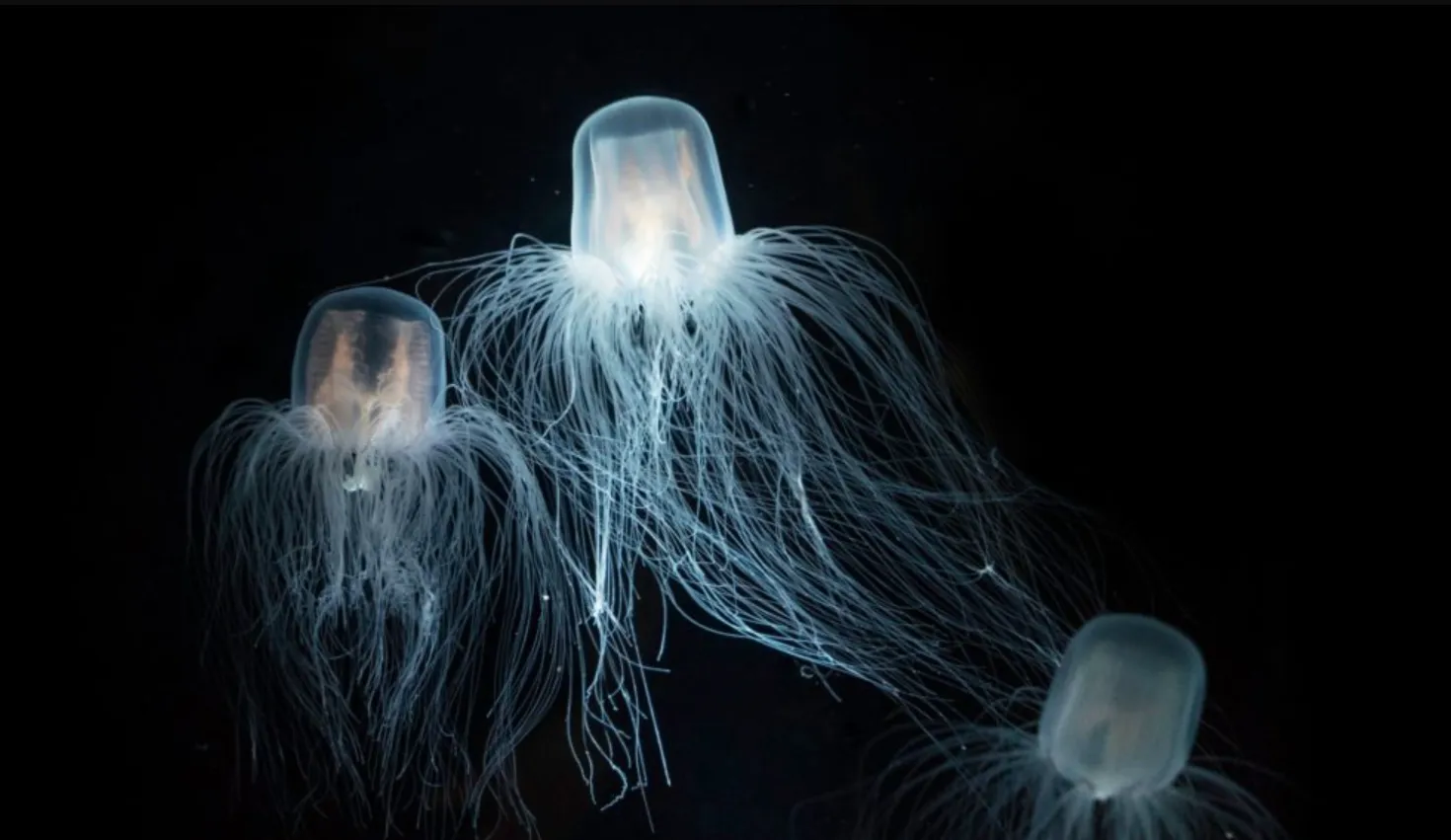
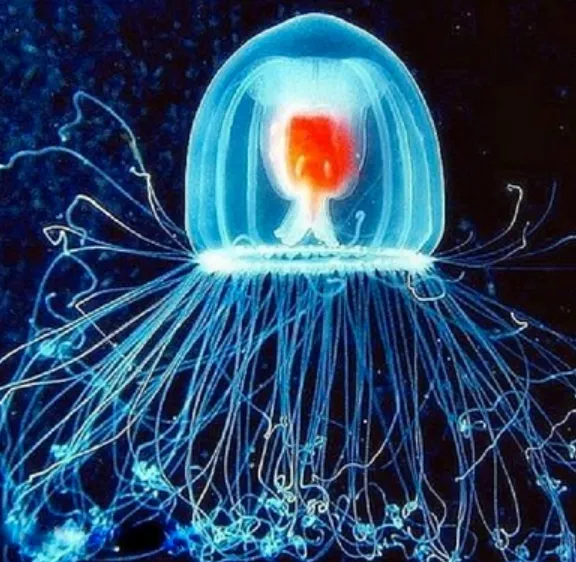
The Immortal jellyfish (Turritopsis dohrnii) is a unique and fascinating creature found in oceans worldwide. Known for its extraordinary ability to revert its cells to their earliest form, this jellyfish holds the key to a potential biological fountain of youth. Unlike other species, the Turritopsis dohrnii can escape death and restart its life cycle in response to environmental stress, making it the only known creature with biological immortality.
Quick Answers to Common Questions:
- What is the lifespan of the immortal jellyfish? The lifespan of the immortal jellyfish is potentially indefinite. Due to its ability to revert to its polyp stage and thus reverse aging, it can effectively “reset” its life cycle, making it biologically immortal.
- Where can you find the immortal jellyfish? This jellyfish is found primarily in warm, temperate waters, including the Mediterranean Sea and parts of Japan, although it has spread to other oceanic regions.
- How does the immortal jellyfish achieve biological immortality? The Turritopsis dohrnii uses a unique process called transdifferentiation to turn its cells back into a juvenile form, effectively “resetting” its aging process.
Quick Life Cycle Table
| Stage | Description | Duration |
| Egg | Released by adult jellyfish, fertilized in the water. | 1-3 weeks |
| Planula Larvae | The initial free-swimming stage before attaching to a surface. | A few hours to days |
| Polyp | The sessile, asexual stage is where the jellyfish attaches to a substrate and develops. | Months to years |
| Medusa (Adult) | The mature, free-swimming jellyfish that reproduces sexually. | Weeks to several months |
| Reversal (Immortal Stage) | When stressed, the jellyfish reverts to its polyp form, starting a new cycle. | Indefinite |
The History of Their Scientific Naming
The immortal jellyfish, scientifically known as Turritopsis dohrnii, was first identified by Italian biologist Carl Mobius in 1859. However, its extraordinary regenerative abilities were not widely recognized until the 1990s, when marine biologists began studying its potential for immortality. The species was named after the Greek god of the sea, Poseidon, and the Latin word “dohrnii,” in honor of the researcher who discovered the species. Over time, this jellyfish has captured the attention of scientists and the public alike, becoming a symbol of life’s resilience and biological immortality.
Their Evolution and Their Origin
The Turritopsis dohrnii is part of the Cnidaria phylum, which includes other jellyfish, corals, and sea anemones. These creatures evolved in the oceans over millions of years, adapting to different environmental conditions. The Turritopsis dohrnii‘s ability to revert to an earlier life stage is a highly specialized evolutionary trait that has fascinated scientists. Unlike most other animals, which are programmed to age and die, this jellyfish has unlocked a survival strategy that allows it to bypass aging altogether.
This evolutionary trait likely developed as a survival mechanism, enabling the species to endure environmental stressors such as unfavorable temperature changes or food scarcity. Over time, these jellyfish have evolved in regions with fluctuating conditions, leading to a strong adaptation for biological “resetting.” This ability is particularly advantageous for maintaining the species in environments where other creatures might perish from old age or starvation.
Their Main Food and Its Collection Process
The Turritopsis dohrnii is a carnivorous jellyfish that feeds primarily on small plankton, tiny fish, and microscopic organisms. Its diet is crucial for its growth and reproduction, as these nutrients help fuel its energy-intensive regenerative processes.
Collection Process:
- Tentacles: The jellyfish uses its long, stinging tentacles to capture prey. The tentacles are lined with specialized cells called cnidocytes, which contain venomous barbs. These barbs immobilize and paralyze the prey.
- Capture and Consumption: Once the prey is captured, it is brought to the jellyfish’s mouth for digestion. The tentacles also help direct the food towards its stomach.
- Feeding Frequency: The jellyfish feeds sporadically, depending on the availability of plankton and small marine life. It typically feeds at night when plankton are more abundant.
This feeding process supports the jellyfish’s remarkable biological functions, allowing it to grow, reproduce, and maintain cellular integrity, enabling potential “resetting” of its life cycle.
Their Life Cycle and Ability to Survive in Nature
The Immortal Stage and Survival Mechanisms
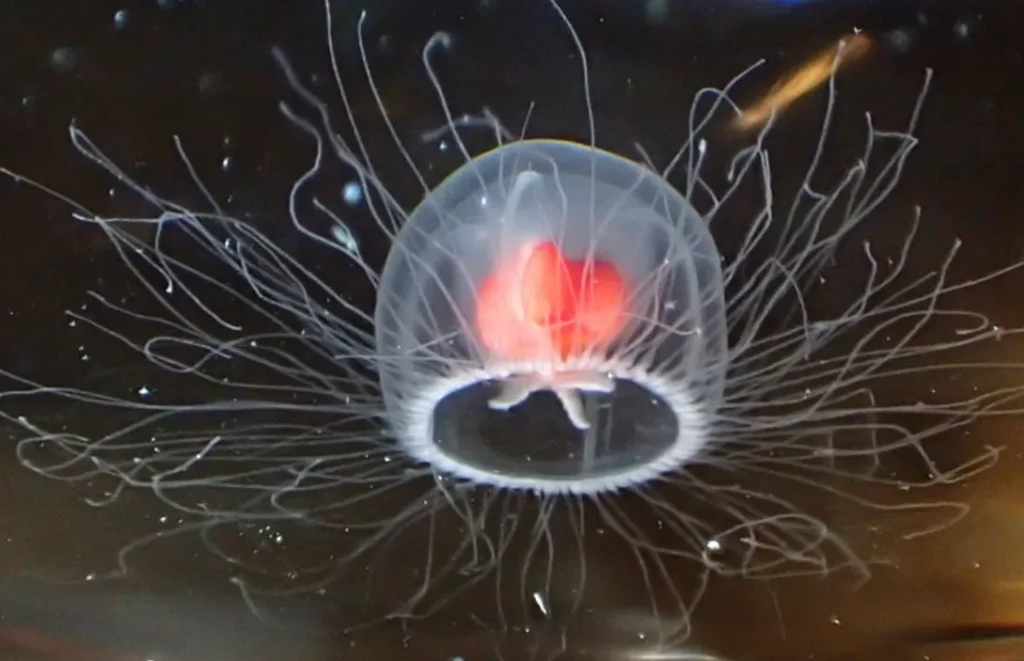
The most remarkable feature of the Turritopsis dohrnii is its ability to revert to an earlier life stage when faced with adverse conditions. This process, called transdifferentiation, allows the jellyfish to transform its cells into a younger form, essentially resetting its life cycle. This ability to “escape death” makes it biologically immortal, provided it does not face predation or environmental factors that could cause immediate death.
This life-cycle reset is vital to the jellyfish’s survival. In nature, they encounter numerous threats, including predators like fish and other jellyfish. However, by reverting to a polyp, the Turritopsis dohrnii can avoid aging and survive unfavorable conditions. This is a vital evolutionary advantage, ensuring the species’ continuity in the ever-changing marine environment.
Their Reproductive Process and Raising Their Children
The reproduction of the immortal jellyfish is both sexual and asexual, depending on the stage of its life cycle.
- Sexual Reproduction: Adult jellyfish (medusa) reproduce sexually by releasing sperm and eggs into the water. Fertilization occurs externally, producing free-swimming planula larvae.
- Asexual Reproduction: After settling on a substrate, planula larvae develop into polyps, which reproduce asexually by budding, creating clones of themselves. This is the stage at which the jellyfish can revert to its polyp form if environmental conditions become harsh.
The cycle of asexual reproduction through budding ensures the population of polyps remains high in areas with favorable conditions. However, the medusa stage introduces genetic diversity through sexual reproduction, which is crucial for adapting to new environmental pressures.
Importance of Them in the Ecosystem
The Turritopsis dohrnii plays a crucial role in the marine ecosystem. As a plankton-eating jellyfish, it helps regulate the population of smaller marine organisms. It is part of the food chain, feeding on microscopic life and, in turn, becoming prey for larger marine animals.
Key Ecological Roles:
- Plankton Control: By consuming plankton, it prevents overpopulation of these tiny organisms, which could otherwise destabilize the food chain.
- Food Source for Larger Animals: Despite its small size, it serves as prey for various fish and other marine creatures.
- Biodiversity Indicator: The presence of healthy populations of Turritopsis dohrnii can indicate a balanced marine environment, as they thrive in clean, oxygen-rich waters.
By maintaining a delicate balance in the marine ecosystem, the immortal jellyfish contributes to overall biodiversity and ecological health.
What to Do to Protect Them in Nature and Save the System for the Future
The preservation of the Turritopsis dohrnii is vital not only for scientific curiosity but also for maintaining the health of marine ecosystems. Here are some steps to help protect this incredible species:
- Reduce Pollution: Minimize ocean pollution, especially plastic waste, which can harm marine life.
- Sustainable Fishing Practices: Promote sustainable fishing to avoid disrupting the food chain, which is crucial for jellyfish survival.
- Marine Protected Areas: Establish marine protected areas to safeguard habitats for species like the immortal jellyfish.
- Research Support: Support scientific research on the species to understand its needs and ensure its continued existence in the wild.
Frequently Asked Questions (FAQs)
- How long can the immortal jellyfish live? The Turritopsis dohrnii can live forever, as its cells can revert to an earlier stage, restarting its life cycle.
- Where can you find the immortal jellyfish? Turritopsis dohrnii is typically found in warm-temperate oceans, particularly in the Mediterranean Sea and parts of Japan.
- What is unique about the immortal jellyfish? Unlike other jellyfish species, the Turritopsis dohrnii can reverse aging and return to a juvenile state, potentially living indefinitely.
- Does the immortal jellyfish have predators? Yes, while it can revert to a younger state, it still faces threats from fish, other jellyfish, and environmental changes.
- How does the jellyfish revert its cells? This jellyfish uses a process called transdifferentiation, where its cells transform into a more primitive form.
- Can humans learn from the immortal jellyfish? Yes, its ability to regenerate cells has implications for aging research and regenerative medicine.
- What do immortal jellyfish eat? These jellyfish primarily feed on small plankton and microscopic marine life.
- Is the immortal jellyfish endangered? Currently, there is no evidence that Turritopsis dohrnii is endangered, though environmental threats can still affect its population.
Conclusion
The Turritopsis dohrnii, or immortal jellyfish, is one of nature’s most intriguing creatures. With its remarkable ability to reset its life cycle, it has captured the imagination of both scientists and the general public. Through its unique survival strategies and vital ecological roles, this jellyfish highlights the wonders of nature’s resilience.
Understanding its biology not only deepens our knowledge of marine life but could one day unlock the mysteries of human aging and regeneration. With continued research and conservation efforts, we can ensure that the immortal jellyfish thrives in our oceans for generations to come.
Also Read: horse fly larva life cycle