The life cycle of a mosquito is one of the most fascinating yet misunderstood biological processes in the insect world. Mosquitoes are tiny flying insects known for their itchy bites, but their lifecycle plays a crucial role in ecosystems worldwide. Understanding how mosquitoes grow—from eggs to adults—helps improve mosquito control and raise awareness of their environmental impact.
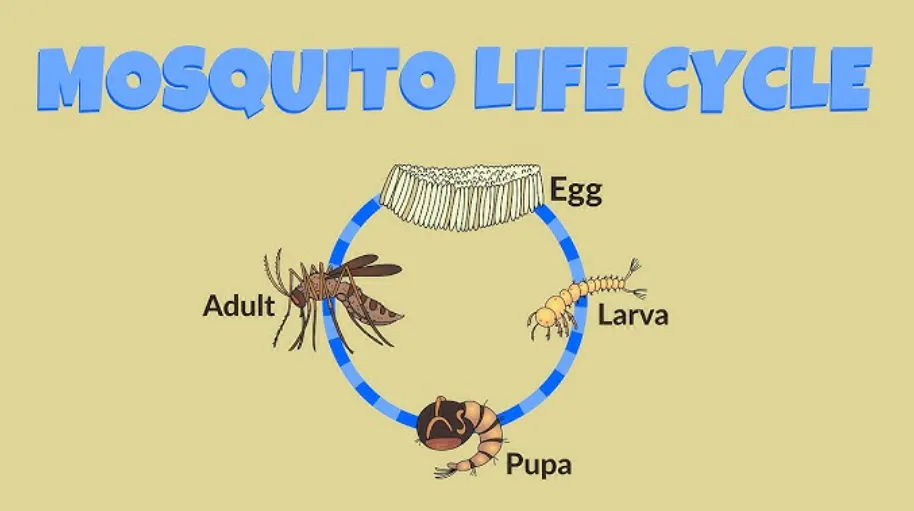
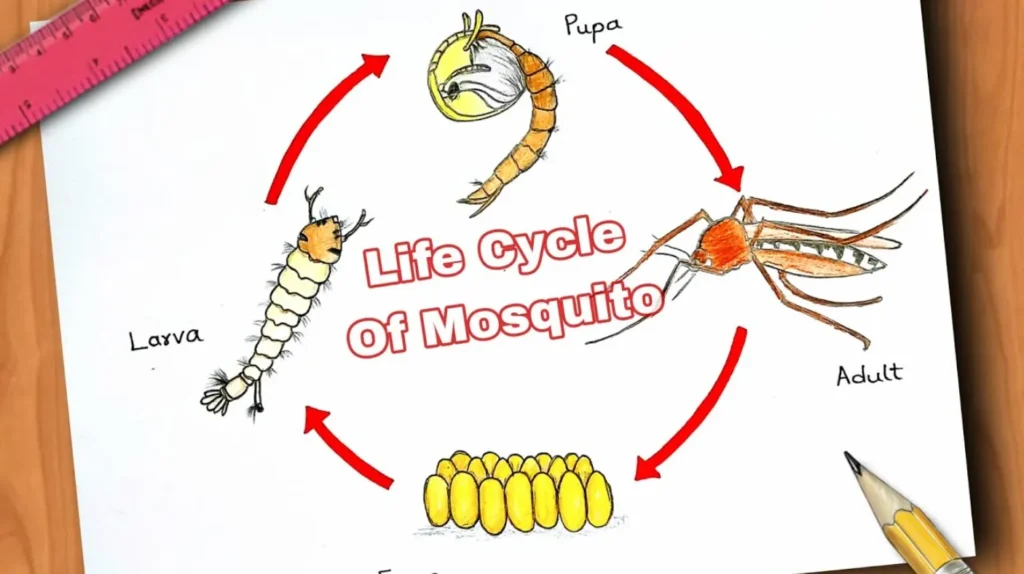
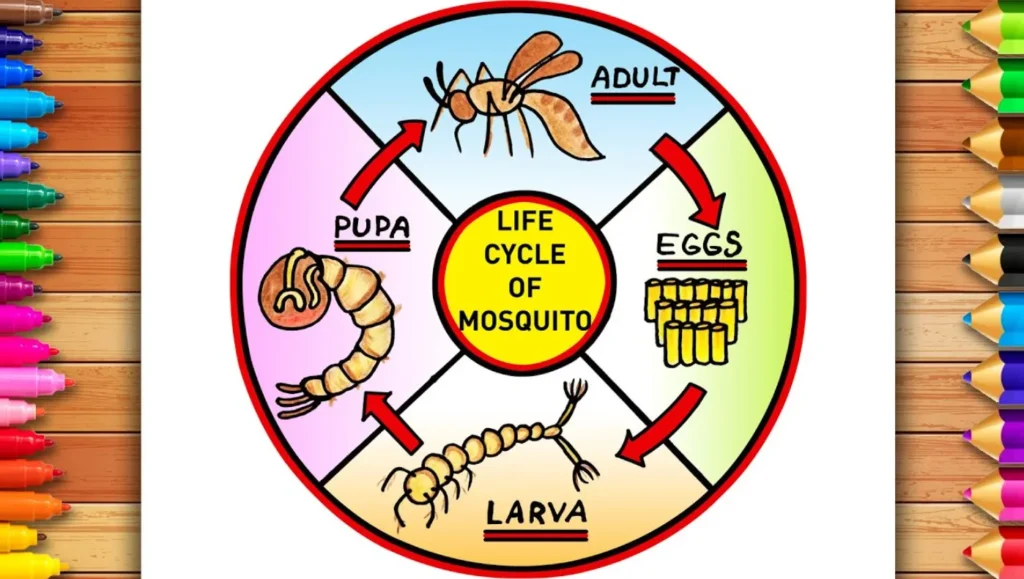
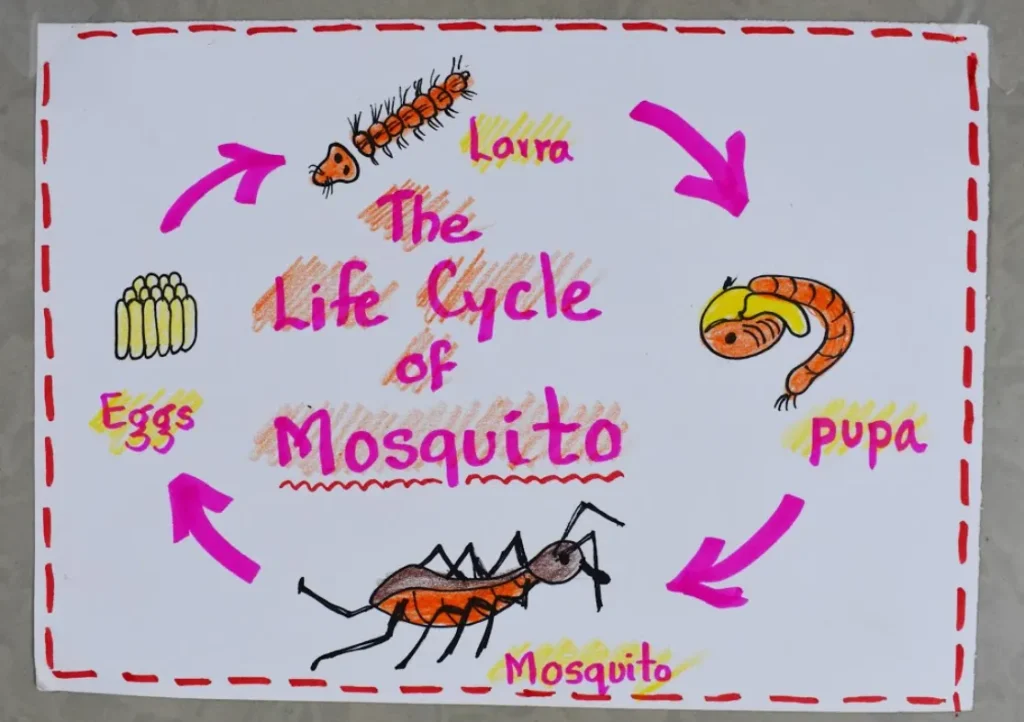
Mosquitoes undergo a complete metamorphosis, which includes four stages: egg, larva, pupa, and adult. Each stage is highly specialised and depends heavily on water for survival. Interestingly, not all mosquitoes bite humans—only females do, and only when they need blood to develop eggs.
Quick Answers (Most Common Questions)
1. How long is the life cycle of a mosquito?
The mosquito life cycle typically lasts 7 to 14 days, depending on temperature and environmental conditions.
2. Where do mosquito larvae live?
Mosquito larvae live in standing water, such as ponds, puddles, or containers.
3. Why do mosquito bites itch?
Mosquito bites itch because the mosquito injects saliva, which triggers an immune response in the human body.
Quick Life Cycle Table
| Stage | Duration | Habitat | Key Characteristics |
| Egg | 1–3 days | Water surface | Laid in clusters or singly |
| Larva | 4–10 days | Water | Active feeders, called “wigglers” |
| Pupa | 1–3 days | Water | Non-feeding, transformation stage |
| Adult | 1–2 weeks+ | Air/Land | Flying insect, reproduction stage |
The History Of Their Scientific Naming
Mosquitoes belong to the family Culicidae, which is derived from the Latin word “culex”, meaning “gnat” or “small fly.” Their scientific classification has evolved as scientists discovered more species and studied their behaviour.
- The term “mosquito” comes from Spanish, meaning “little fly.”
- Early entomologists classified mosquitoes based on wing patterns and body structure.
- Over 3,500 mosquito species have been identified worldwide.
- Key genera include Anopheles, Aedes, and Culex, each associated with different diseases.
- Scientific naming became more precise with advancements in genetic and molecular biology.
Today, mosquito taxonomy helps researchers understand disease transmission patterns and develop better mosquito control methods.
Their Evolution And Their Origin
Mosquitoes are ancient insects with a history that dates back over 100 million years. Fossil evidence shows that mosquitoes existed alongside dinosaurs, making them among the oldest surviving insect groups.
Their ancestors likely evolved from primitive flies that adapted to aquatic environments. Over time, mosquitoes developed specialised mouthparts for feeding and a life cycle that depends on water.
One of the most significant evolutionary developments was the ability of female mosquitoes to feed on blood. This adaptation provided essential proteins for egg production, increasing reproductive success.
Mosquitoes diversified into thousands of species due to environmental changes and geographic spread. Different species adapted to various climates, from tropical rainforests to urban environments.
Evolution also shaped their role as disease vectors. For example, Anopheles mosquitoes evolved to transmit malaria parasites, while Aedes mosquitoes carry viruses such as dengue and Zika.
Despite their negative reputation, mosquitoes have survived for millions of years due to their rapid reproduction, adaptability, and resilience.
Their Main Food and Its Collection Process
Mosquito feeding habits vary by life stage and gender. Understanding their diet helps explain their behaviour and ecological role.
Feeding Habits
- Larvae feed on microorganisms like algae and bacteria in water.
- Adult males consume nectar and plant juices.
- Adult females feed on nectar but also require blood for reproduction.
Blood Feeding Process
- Female mosquitoes detect hosts using carbon dioxide and body heat.
- They use a specialised mouthpart, a proboscis, to pierce the skin.
- Saliva is injected to prevent blood clotting, which causes itching.
- Blood provides proteins necessary for egg development.
Why Do Mosquito Bites Itch?
The itching occurs due to the body’s immune response to mosquito saliva. Histamines are released, causing swelling and irritation.
Mosquito feeding behaviour makes them effective disease carriers, but it also helps maintain ecological balance.
Important Things That You Need To Know
Mosquitoes are more than just pests—they are part of a complex ecological system. Understanding key aspects related to them can help in both awareness and control.
Key Insights About Mosquitoes
The presence of mosquito larvae in standing water is the earliest sign of mosquito breeding. Eliminating these water sources is one of the most effective control methods.
Using tools such as mosquito traps can significantly reduce mosquito populations in residential areas. These traps attract mosquitoes using light or carbon dioxide and capture them.
Searching for mosquito control near me often leads to professional pest control services that use environmentally safe techniques to manage mosquito populations.
Another common concern is why mosquito bites itch. This happens because mosquito saliva contains proteins that trigger an allergic reaction in humans.
Mosquitoes are also highly adaptable and can survive in both rural and urban environments. Their ability to breed in small water containers makes them difficult to eliminate.
Understanding these factors helps individuals take proactive steps to reduce mosquito exposure and prevent diseases.
Their Life Cycle and Ability to Survive in Nature
Mosquitoes have a remarkable life cycle that allows them to survive in diverse environments.
Egg Stage
Female mosquitoes lay eggs on or near water. Some species lay eggs in clusters, while others lay them individually.
Larval Stage
Larvae hatch and live in water, feeding constantly. They come to the surface to breathe through a tube.
Pupal Stage
Pupae do not feed but transform. This stage is short but critical.
Adult Stage
Adults emerge from water and begin flying. Males feed on nectar, while females seek blood.
Survival Strategies
- Rapid reproduction ensures population growth
- Ability to breed in small water sources
- Adaptation to different climates
- Resistance to some pesticides
These strategies make mosquitoes one of the most resilient insects on Earth.
Their Reproductive Process and Raising Their Children
Mosquito reproduction is highly efficient and adapted for survival.
Reproductive Process
- Males locate females through the sound vibrations of their wings
- Mating usually occurs in flight
- Females store sperm for multiple egg-laying cycles
Egg Development
- After a blood meal, females lay 100–300 eggs
- Eggs hatch quickly in favourable conditions
Parental Care
- Mosquitoes do not provide direct care to offspring
- Survival depends on environmental conditions
Population Growth
- High reproduction rates lead to rapid population increase
- Favourable conditions can result in mosquito outbreaks
This reproductive efficiency is why mosquito populations can grow quickly in warm, wet conditions.
Importance of Them in This Ecosystem
Despite being pests, mosquitoes play an important role in ecosystems.
Food Source for Wildlife
Mosquitoes serve as food for:
- Fish
- Birds
- Frogs
- Bats
Pollination
Some mosquito species help in pollinating plants by feeding on nectar.
Nutrient Cycling
Larvae help break down organic matter in water, contributing to nutrient recycling.
Ecological Balance
Removing mosquitoes completely could disrupt food chains and ecosystems.
While they pose health risks, mosquitoes are still an integral part of nature.
What to Do to Protect Them in Nature and Save the System for the Future
Balancing mosquito control with ecological protection is essential.
- Avoid overuse of chemical pesticides.
- Promote natural predators like fish and birds
- Maintain clean water sources to prevent excessive breeding
- Use eco-friendly mosquito traps
- Support research for sustainable mosquito control
- Protect wetlands and natural habitats
- Educate communities about responsible mosquito management
These steps help maintain ecological balance while reducing health risks.
Frequently Asked Questions (FAQs)
1. What are the stages of the mosquito life cycle?
Egg, larva, pupa, and adult.
2. How long do mosquitoes live?
Most live for 1–2 weeks, but some females can live longer.
3. Where do mosquitoes lay eggs?
In or near standing water.
4. Do all mosquitoes bite humans?
No, only female mosquitoes bite humans.
5. Why are mosquitoes dangerous?
They can transmit diseases like malaria and dengue.
6. Can mosquitoes survive without water?
No, water is essential for their early life stages.
7. What attracts mosquitoes to humans?
Carbon dioxide, body heat, and body odour.
8. How can I prevent mosquito breeding at home?
Remove standing water and use proper mosquito control methods.
Conclusion
The life cycle of a mosquito is a complex, highly efficient process that enables these insects to thrive across diverse environments. From tiny eggs laid in water to flying adults seeking hosts, each stage plays a critical role in their survival.
While mosquitoes are often viewed as harmful for their role in spreading disease, they also contribute to ecological balance. They serve as food for many animals, aid in pollination, and help recycle nutrients in aquatic systems.
Understanding their lifecycle and behaviour enables more effective control strategies and reduces human-mosquito conflict. By adopting eco-friendly practices and maintaining environmental awareness, it is possible to manage mosquito populations without harming the ecosystem.
Also Read: hymenoptera life cycle byjus