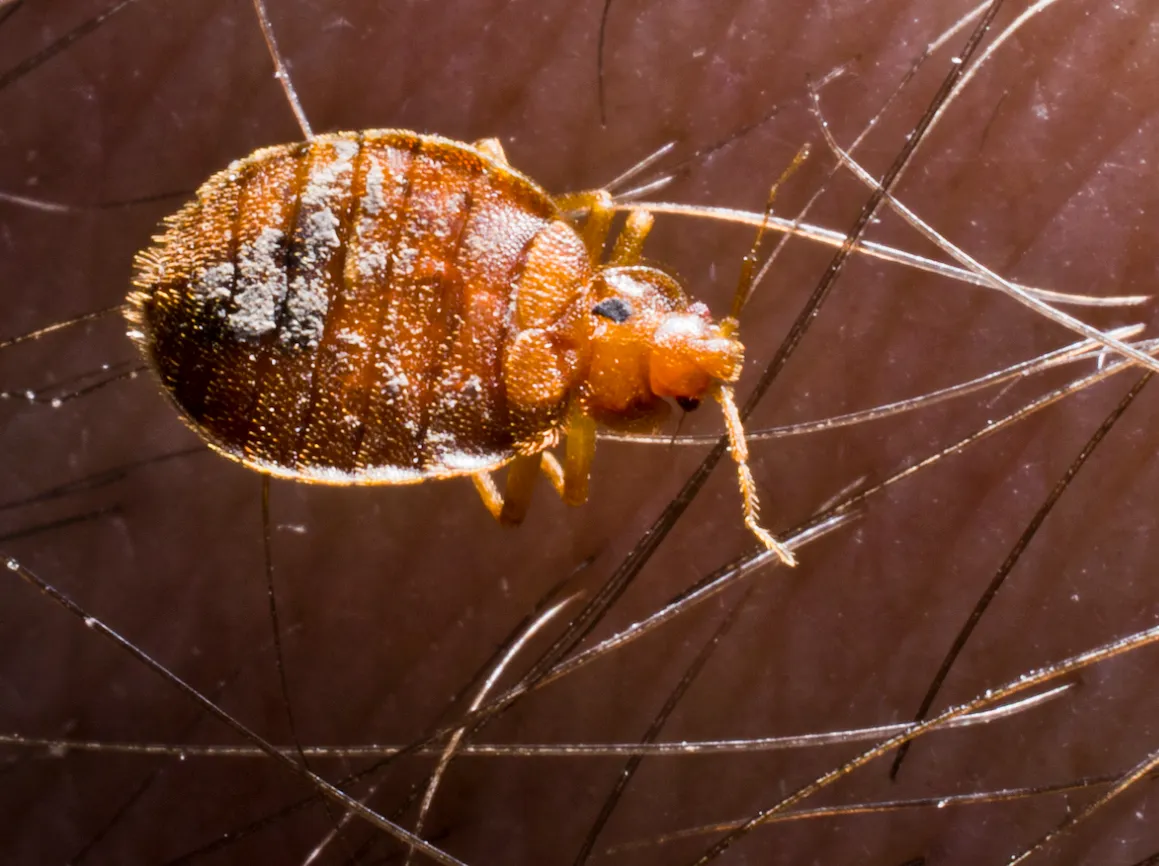
The life cycle of a bed bug is a fascinating yet troubling process that directly impacts human health and comfort. Bed bugs are small parasitic insects that feed on human blood and often hide in mattresses, furniture, and cracks in walls. Understanding their life cycle helps in early detection and effective control.
Bed bugs go through several stages, including eggs, nymphs, and adults. Each stage plays a crucial role in the rapid population growth. Without proper bed bug treatment, infestations can quickly spiral out of control, making awareness essential.
Quick Answers (Most Common Questions)
- How long is the life cycle of a bed bug?
- The complete life cycle typically takes 5–8 weeks under ideal conditions.
- Where do bed bug eggs come from?
- Adult females lay tiny white eggs in hidden cracks and crevices.
- Do bed bug bites happen in every stage?
- Only nymphs and adults feed on blood, causing bed bug bite symptoms like itching and redness.
Quick Life Cycle Table
| Stage | Duration | Key Characteristics |
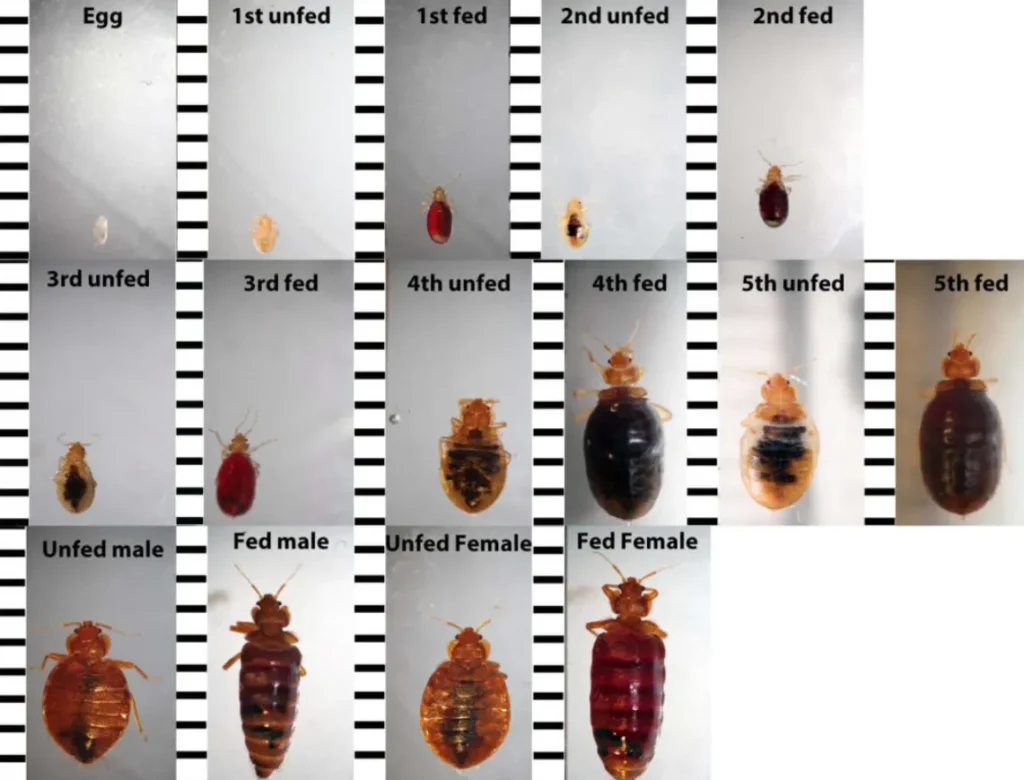
| Egg | 6–10 days | Tiny, white, sticky eggs are hidden in cracks |
| Nymph (5 stages) | 2–5 weeks | Small, translucent insects that moult after feeding |
| Adult | 4–6 months (or more) | Reddish-brown, fully developed bed bugs that reproduce |
The History Of Their Scientific Naming
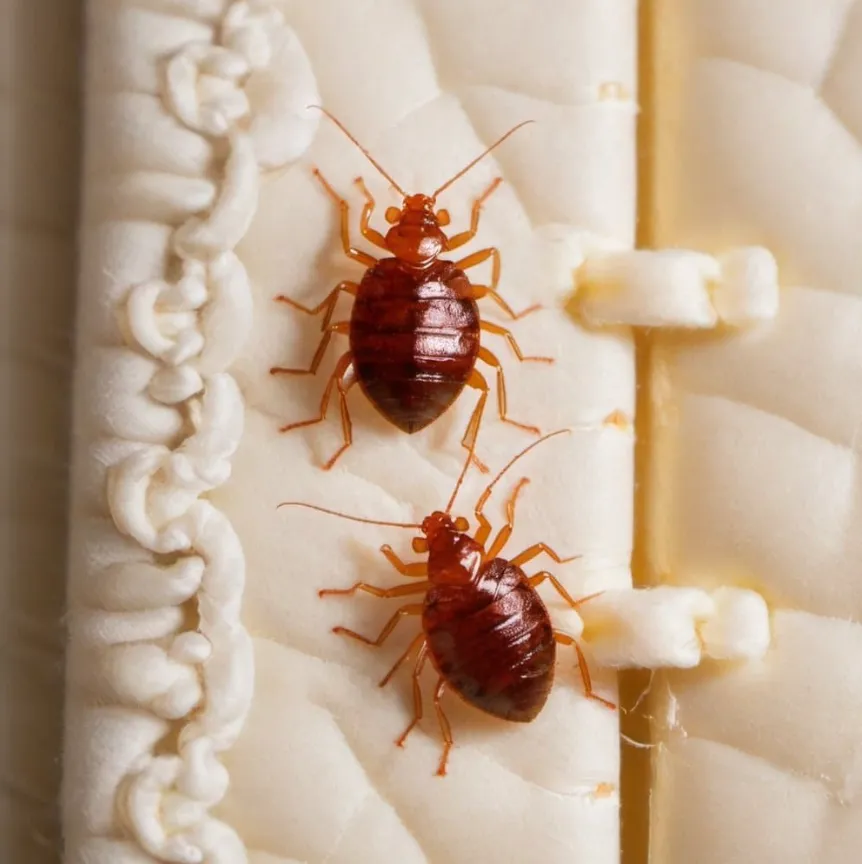
Bed bugs belong to the species Cimex lectularius. Their scientific naming has an interesting history rooted in early entomology.
- The genus name Cimex is Latin for “bug.”
- The species name lectularius refers to “bed,” highlighting their association with human sleeping areas.
- They were first scientifically described by Carl Linnaeus in the 18th century.
- Over time, researchers identified related species, such as Cimex hemipterus, which is common in tropical regions.
- Their classification falls under the order Hemiptera, which includes true bugs.
This scientific naming reflects both their physical traits and behavioural habits. It also helps researchers distinguish them from other insects, such as fleas and lice.
Their Evolution And Their Origin
Bed bugs have a long evolutionary history dating back millions of years. Fossil evidence suggests that their ancestors existed long before humans appeared.
Originally, bed bugs were associated with bats and birds. As humans began living in caves, these insects adapted to feed on human blood instead. This transition marked a significant shift in their evolution.
During ancient civilisations, bed bugs were already common. Records from Egypt and Rome mention infestations. However, their population declined in the mid-20th century due to widespread pesticide use.
In recent decades, bed bugs have resurged globally. Increased travel, pesticide resistance, and urban living have contributed to their spread. Today, they are found in homes, hotels, and public transport systems worldwide.
Their ability to adapt and survive across various environments makes them among the most persistent pests. Understanding their origin helps explain why modern bed bug sprays and treatments sometimes fail.
Their Main Food and Its Collection Process
Bed bugs are obligate blood feeders, meaning they rely entirely on blood for survival.
Main Food Source
- Human blood is their primary food
- They may also feed on animals like pets or birds
- Blood provides nutrients needed for growth and reproduction
Food Collection Process
- Bed bugs are nocturnal and feed at night
- They detect body heat and carbon dioxide
- They pierce the skin using specialised mouthparts
- Feeding typically lasts 5–10 minutes
- After feeding, they return to hiding spots
Feeding Behavior
- Nymphs must feed to moult into the next stage
- Adults require blood meals to reproduce
- Their bites often cause itching and swelling
This feeding process explains why infestations are often noticed through bed bug bite marks rather than seeing the insects directly.
Important Things That You Need To Know
Understanding related LSI keywords helps identify and manage infestations effectively.
1. Bed Bug Eggs
These are tiny, white, and about the size of a pinhead. They are often found in clusters and are difficult to spot.
2. Bed Bug Bite
Bites appear as small, red, itchy welts, often arranged in lines or clusters on exposed skin.
3. Bed Bug Treatment
Effective treatment includes heat treatment, vacuuming, and professional pest control services.
4. Bed Bug Spray
Chemical sprays can kill bed bugs, but must be used carefully to avoid resistance.
5. Bed Bug Bite Symptoms
Common symptoms include itching, redness, swelling, and, in some cases, allergic reactions.
These factors are critical for early detection and prevention of severe infestations.
Their Life Cycle and Ability to Survive in Nature
Egg Stage
Bed bug eggs are laid in hidden areas such as mattress seams and cracks. They hatch within 6–10 days.
Nymph Stage
- There are five nymph stages
- Each stage requires a blood meal
- Nymphs shed their skin as they grow
Adult Stage
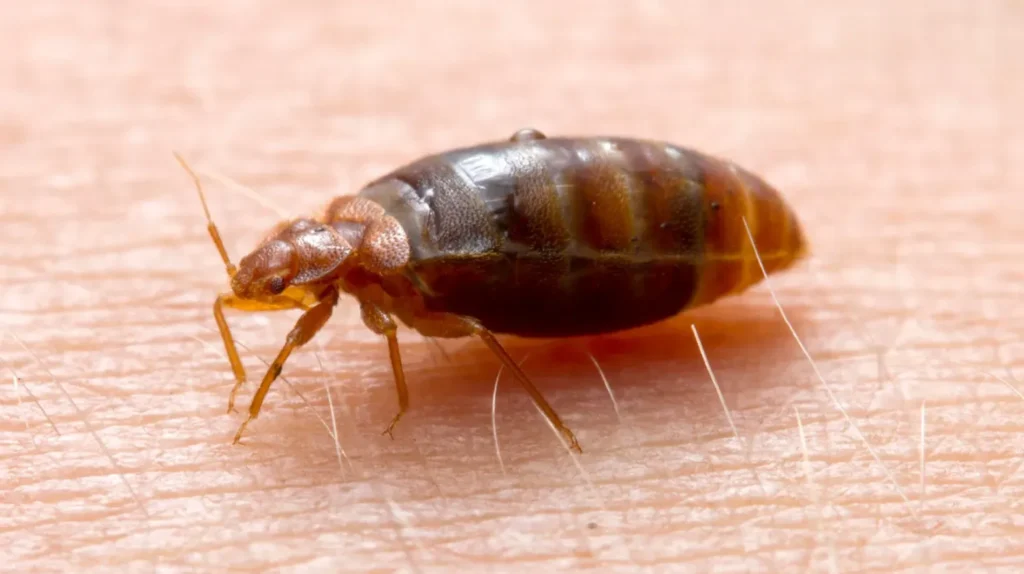
Adults are fully developed and capable of reproduction. They can survive for months without feeding.
Survival Abilities
- Can live without food for up to 6 months
- Resistant to many pesticides
- Hide in extremely small spaces
These survival traits make bed bugs difficult to eliminate once established.
Their Reproductive Process and Raising Their Children
Bed bugs reproduce rapidly, making infestations grow quickly.
Reproduction Process
- Mating occurs through traumatic insemination
- Females store sperm for future egg-laying
- A female can lay 200–500 eggs in her lifetime
Egg Laying
- Eggs are laid in hidden areas
- Sticky coating helps them adhere to surfaces
- Eggs hatch within a week
Development of Young
- Nymphs begin feeding immediately after hatching
- They moult five times before becoming adults
- Each moult requires a blood meal
Population Growth
- Under ideal conditions, populations double rapidly
- Lack of control measures leads to severe infestations
Importance of Them in this Ecosystem
Role in Food Chains
Bed bugs serve as food for certain predators, such as spiders and ants.
Indicator Species
Their presence often indicates poor hygiene or overcrowding conditions.
Scientific Research
They are studied to understand insect behaviour and pesticide resistance.
Human Impact
Despite their limited ecological role, they significantly affect human health and comfort.
What to do to protect them in nature and save the system for the future
While bed bugs are pests, maintaining ecological balance is important.
- Avoid excessive pesticide use that harms other species
- Use targeted pest control methods
- Maintain cleanliness to prevent infestations
- Educate communities about early detection
- Support research on eco-friendly pest control
- Protect beneficial insects while controlling pests
- Use heat treatments instead of harmful chemicals
Frequently Asked Questions (FAQs)
- What are the stages in the life cycle of a bed bug?
- Egg, nymph (five stages), and adult.
- How fast do bed bugs multiply?
- They can double their population within weeks under ideal conditions.
- Where do bed bugs hide during the day?
- In mattress seams, furniture cracks, and walls.
- Do bed bug bites spread diseases?
- No, but they cause discomfort and allergic reactions.
- How can I identify bed bug eggs?
- They are tiny, white, and found in clusters.
- What is the best bed bug treatment?
- Professional pest control combined with heat treatment.
- How long can bed bugs live without feeding?
- Up to 6 months or more.
- Are bed bug sprays effective?
- Yes, but they should be used carefully to avoid resistance.
Conclusion
The life cycle of a bed bug is a complex process that allows these pests to survive and thrive in human environments. From tiny eggs to resilient adults, each stage contributes to their rapid spread and persistence.
Understanding their biology, feeding habits, and reproduction is essential for effective control. Early detection of signs such as bed bug bite symptoms, along with proper treatment, can prevent severe infestations.
Although bed bugs play a minor role in the ecosystem, their impact on human health and comfort is significant. By adopting responsible pest management strategies and staying informed, it is possible to minimise their presence while maintaining ecological balance.
Also Read: hornworm life cycle