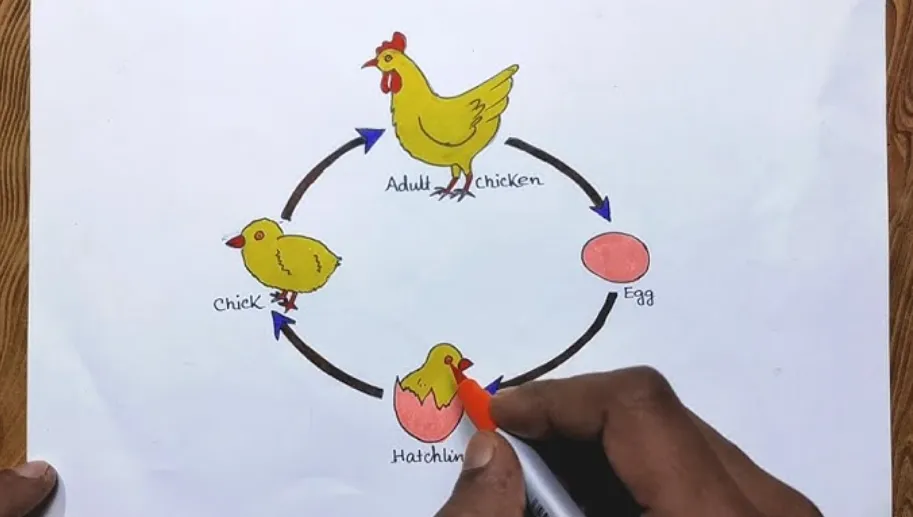
The life cycle of a hen is a fascinating biological journey that begins with a tiny egg and develops into a fully grown chicken capable of reproducing. Understanding the life cycle not only helps farmers and poultry enthusiasts but also supports educational learning, especially for students and beginners.
A hen goes through several clearly defined stages: egg, chick, pullet (young hen), and adult hen. Each stage has its own unique characteristics, nutritional needs, and survival strategies. Whether you’re looking to draw a life cycle of a hen, teach it to kindergarten students, or understand it for farming purposes, this guide covers everything in detail.
Quick Answers (Most Common Questions)
1. What are the stages in the life cycle of a hen?
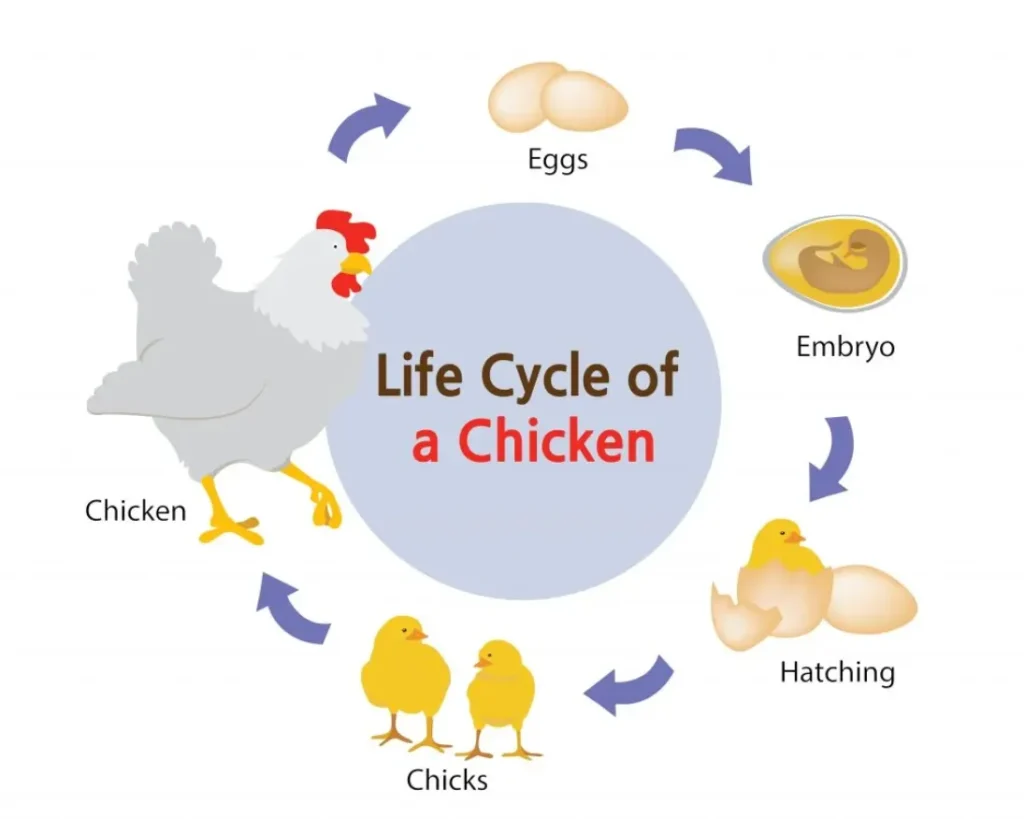
The life cycle includes four main stages: egg → chick → pullet → adult hen.
2. How long does it take for a chick to become a hen?
It usually takes about 5–6 months for a chick to grow into a mature hen.
3. How long do hens live?
Hens can live between 5 and 10 years depending on care, breed, and environment.
Quick Life Cycle Table
| Stage | Duration | Key Characteristics |
| Egg | 21 days | The embryo develops inside the shell |
| Chick | 0–6 weeks | Small, fluffy, depends on warmth |
| Pullet | 6 weeks–6 months | Rapid growth, feather development |
| Adult Hen | 6 months+ | Egg-laying stage, reproductive maturity |
The History Of Their Scientific Naming
The domestic hen is scientifically known as Gallus gallus domesticus. This name originates from its wild ancestor, the red junglefowl (Gallus gallus), native to Southeast Asia.
- The word “Gallus” comes from Latin and means “rooster” or “chicken.”
- “Domesticus” indicates its domesticated nature, distinguishing it from wild species.
- The classification belongs to the family Phasianidae, which includes pheasants and turkeys.
Historically, chickens were first domesticated over 7,000 years ago. Early humans valued them not just for meat and eggs but also for cultural and religious purposes.
Scientific naming helped researchers identify genetic traits, breeding patterns, and disease resistance. Over time, this classification has enabled scientists to improve poultry farming and to understand evolutionary links among birds.
Their Evolution And Their Origin
The life cycle of a hen is deeply rooted in evolutionary history. Modern hens evolved from wild junglefowl found in tropical forests of Asia, especially in countries like India, Thailand, and Indonesia.
These wild birds adapted to human settlements because of easy access to food. Over centuries, humans selectively bred chickens for desirable traits such as:
- Higher egg production
- Faster growth rates
- Better adaptability to climates
As a result, today’s hens differ significantly from their ancestors. They are less aggressive, more productive, and better suited for farming environments.
Evolution also shaped their reproductive system. Unlike many animals, hens lay eggs externally, making them easy for humans to collect. This trait made chickens one of the most widely domesticated animals in the world.
Interestingly, fossil records suggest that birds, including hens, share ancestry with dinosaurs. This evolutionary connection explains certain physical traits, such as their skeletal structure and egg-laying behaviour.
Important Things That You Need To Know
Understanding the broader aspects of the life cycle of a hen becomes easier when you explore key related topics.
1. Life cycle of a hen
The full cycle includes egg incubation, chick development, and maturity. Each phase is crucial for survival and reproduction.
2. The life cycle of a hen
This phrase is often used in educational materials, especially worksheets and diagrams, to visually explain the stages.
3. life cycle of a hen worksheet
Worksheets are widely used in schools to help children understand the process through labelling, drawing, and matching exercises.
4. Draw the life cycle of a hen
Drawing helps visualise the transformation from an egg to an adult hen. It typically includes arrows connecting each stage.
5. life cycle of a hen for kindergarten
For young learners, the cycle is simplified into easy steps with pictures and minimal text, making it fun and interactive.
These variations are important because they cater to different learning levels and purposes, from academic understanding to practical farming.
Their Main Food and Its Collection Process
Hens are omnivores, meaning they eat both plant-based and animal-based foods. Their diet plays a crucial role in their growth and egg production.
Main Foods of a Hen
- Grains (corn, wheat, rice)
- Seeds and legumes
- Insects and worms
- Vegetables and fruits
- Commercial poultry feed
Food Collection Process
- Scratching Behavior
- Hens use their claws to scratch the ground and uncover hidden food.
- Pecking Method
- They peck quickly to grab seeds, insects, or small particles.
- Foraging Instinct
- In natural environments, hens roam freely to find diverse food sources.
- Water Intake
- Clean water is essential for digestion and egg production.
- Human Feeding (Domesticated)
- Farmers provide balanced diets to ensure optimal growth and productivity.
A balanced diet ensures strong eggshells, healthy feathers, and resistance to disease.
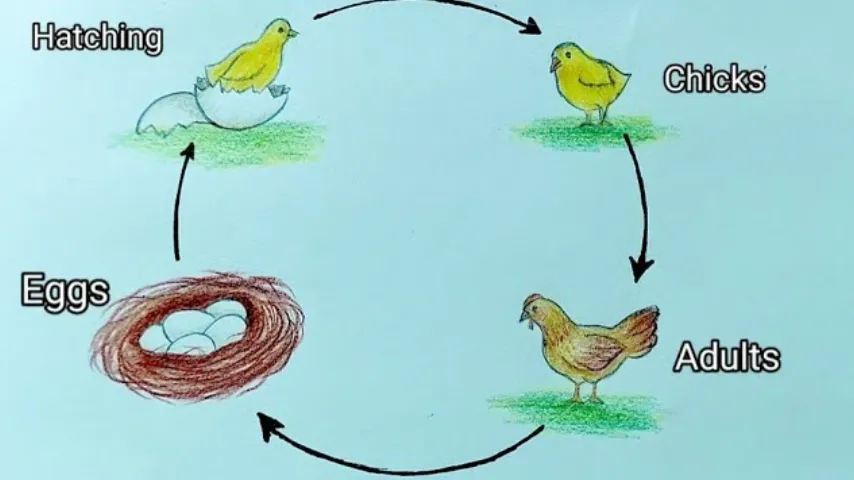
Their Life Cycle and Ability to Survive in Nature
Egg Stage
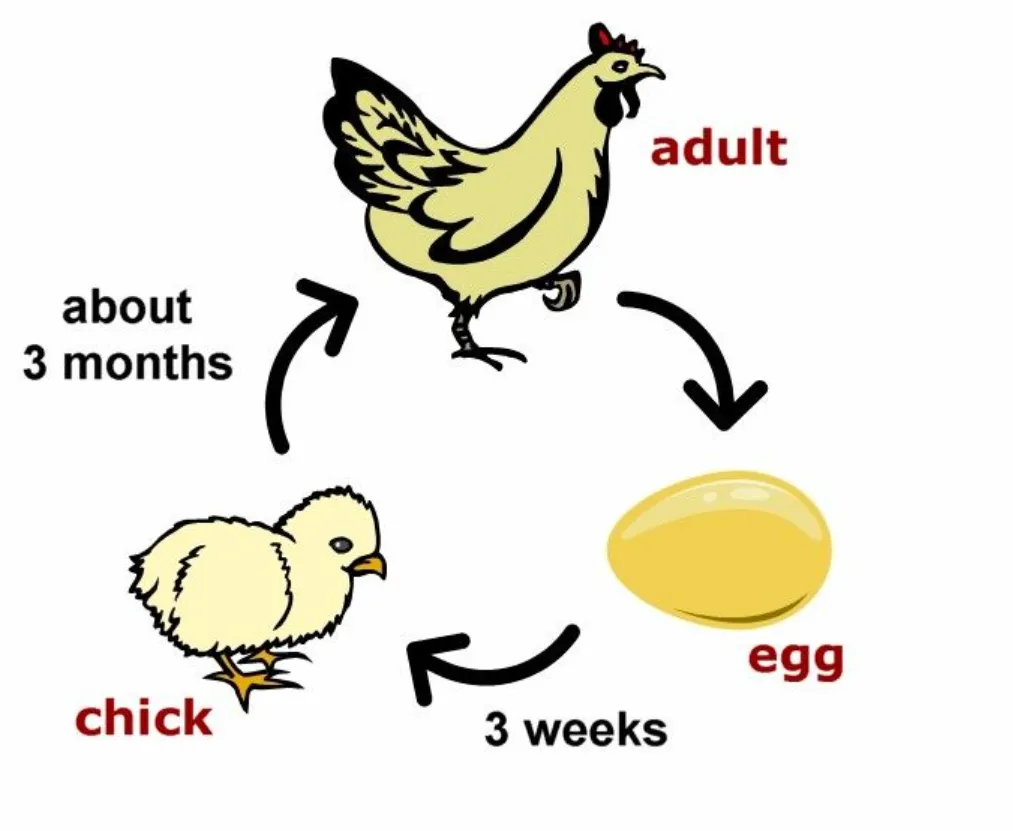
The life cycle begins when a hen lays a fertilised egg. Inside the egg, the embryo develops over 21 days at the proper temperature.
Chick Stage
Once hatched, chicks are fragile and depend on warmth and protection. They grow rapidly and begin to explore their surroundings.
Pullet Stage
Young hens (pullets) develop feathers and gain independence. They start learning survival behaviours, such as foraging.
Adult Hen Stage
At around 6 months, hens reach maturity and begin laying eggs. They adapt well to various environments, making them highly resilient.
Hens survive by:
- Adapting to different climates
- Using instincts to find food
- Forming social groups for protection
Their Reproductive Process and Raising Their Children
Hens reproduce through egg-laying, but fertilisation requires a rooster.
Reproductive Process
- Mating occurs between a hen and a rooster
- Fertilised eggs are formed internally
- Eggs are laid externally
Raising Chicks
- Incubation
- Hens sit on eggs to keep them warm.
- Protection
- Mother hens guard chicks from predators.
- Teaching Behavior
- Chicks learn to eat, drink, and forage by observing the hen.
- Brooding
- The hen keeps the chicks warm under her wings.
- Gradual Independence
- Chicks slowly become self-sufficient.
This nurturing behaviour significantly increases survival rates.
Importance of Them in this Ecosystem
Food Chain Contribution
Hens act as both predators (eating insects) and prey (for larger animals).
Soil Health
Their scratching behaviour aerates the soil and helps recycle nutrients.
Pest Control
Hens naturally reduce insect populations, supporting agriculture.
Nutrient Cycling
Chicken manure enriches soil with essential nutrients.
Human Benefits
They provide eggs and meat, supporting food security worldwide.
What to Do to Protect Them in Nature and Save the System for the Future
- Provide clean and safe living environments
- Ensure access to nutritious food and water
- Protect from predators using proper shelters
- Avoid overcrowding in farms
- Maintain hygiene to prevent diseases
- Support ethical and sustainable farming practices
- Educate communities about poultry care
- Reduce the use of harmful chemicals in farming
Frequently Asked Questions (FAQs)
1. What is the first stage in the life cycle of a hen?
The first stage is the egg.
2. How long does an egg take to hatch?
About 21 days.
3. What is a baby hen called?
A chick.
4. When does a hen start laying eggs?
At around 5–6 months old.
5. Can hens lay eggs without a rooster?
Yes, but the eggs will not be fertilised.
6. What do chicks eat?
Starter feed, grains, and small insects.
7. How can I teach the life cycle to kids?
Use diagrams, worksheets, and drawings.
8. Why is the life cycle important?
It helps understand growth, reproduction, and survival.
Conclusion
The life cycle of a hen is a remarkable example of nature’s efficiency and adaptability. From a simple egg to a fully grown adult capable of reproduction, each stage plays a vital role in sustaining the species.
Understanding this cycle is not only useful for farmers and educators but also helps us appreciate the biological processes that support life on Earth. Hens contribute significantly to ecosystems, agriculture, and human nutrition.
By learning about their life cycle and taking steps to protect them, we can ensure a sustainable future for poultry and the environment. Whether you’re studying, teaching, or farming, this knowledge empowers better care and smarter decisions.
Also Read: horse fly larva life cycle