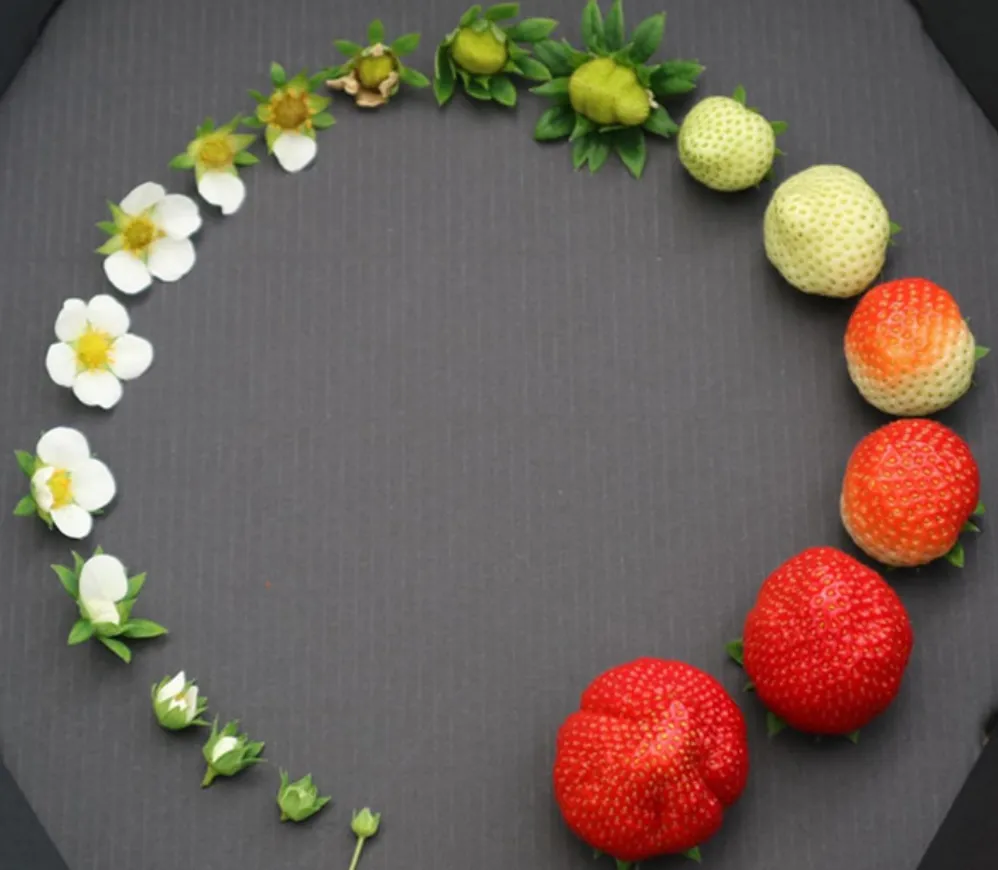
The strawberry is one of the most popular and beloved fruits worldwide, known for its sweet flavor and vibrant red color. Understanding the life cycle of a strawberry helps us appreciate its growth process and the importance of its environmental role. This article will delve into the stages of strawberry growth, from seed germination to the mature fruit, and explore key aspects of their reproduction and survival.
Quick Answers to Common Questions About the Strawberry Life Cycle:
- How long does the strawberry life cycle take?
- The strawberry life cycle typically lasts about one year, but certain varieties may take longer to reach full maturity.
- What are the stages of the strawberry life cycle?
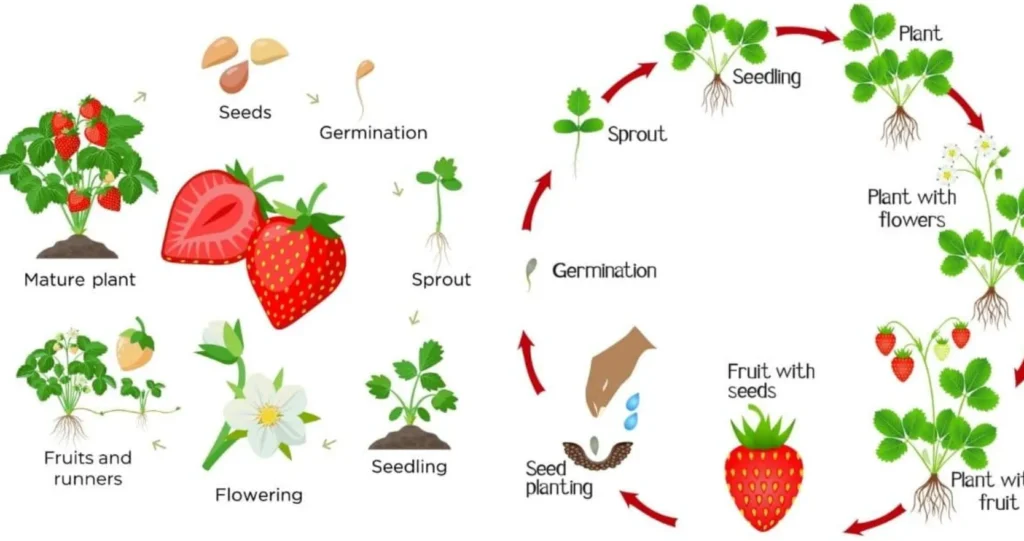
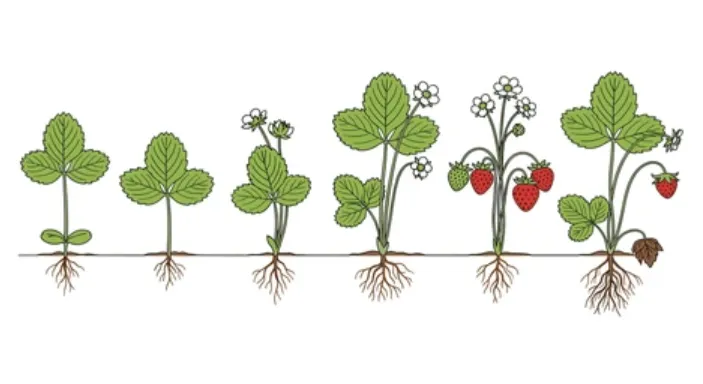
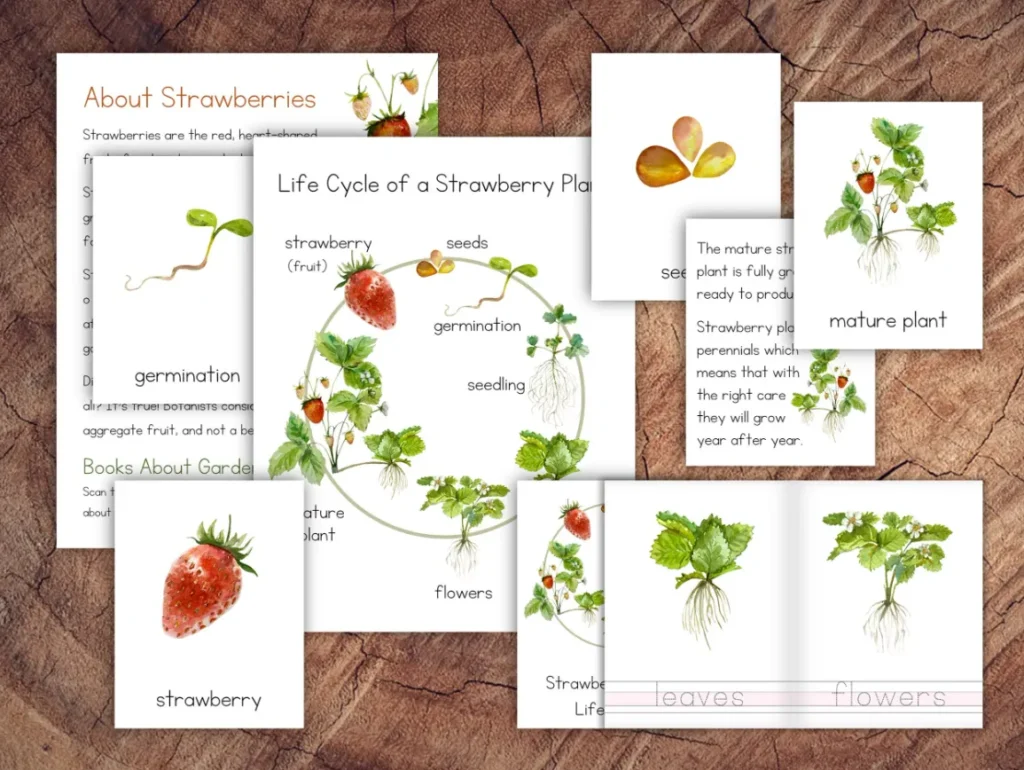
- The life cycle of a strawberry includes several stages: seed germination, plant growth, flowering, fruit development, and fruit ripening.
- How do strawberries reproduce?
- Strawberries reproduce through both seeds and runners, with new plants growing from both methods.
Quick Life Cycle Table
| Stage | Description |
| Seed Germination | The strawberry seed sprouts into a small seedling. |
| Plant Growth | The plant develops leaves, roots, and stems. |
| Flowering | Strawberry plants produce white flowers, which attract pollinators. |
| Fruit Development | After pollination, the flowers turn into small green fruits. |
| Fruit Ripening | The fruits turn red as they ripen and are ready for harvest. |
The History of Their Scientific Naming
Strawberries belong to the genus Fragaria in the family Rosaceae. The scientific name Fragaria x ananassa refers to the cultivated strawberry, a hybrid of several wild strawberry species. The name Fragaria comes from the Latin word fragrare, meaning “to smell sweet,” which is fitting given the fruit’s aromatic scent.
The hybrid x ananassa was introduced in the 18th century through crossbreeding between North American and Chilean strawberry species, creating the large, sweet strawberries we enjoy today.
Their Evolution and Their Origin
Strawberries have a fascinating evolutionary history that stretches back to ancient times. Wild strawberries, particularly those in the genus Fragaria, are found in various parts of the world, including North America, Europe, and South America. The strawberry plant we recognize today, Fragaria x ananassa, is a hybrid species created in the 18th century. The European and American wild strawberries were crossed to produce a larger and sweeter fruit. These early hybrid strawberries were cultivated in Europe, where they gained popularity due to their improved size and taste.
Historically, strawberries were not only enjoyed for their flavor but also for their medicinal properties. Indigenous people in North America used wild strawberries to treat various ailments. Over the centuries, the cultivation of strawberries spread across Europe and then to the rest of the world, adapting to different climates and agricultural practices. Today, strawberries are a major agricultural commodity, cultivated globally in temperate and subtropical regions.
Their Main Food and Its Collection Process
Strawberries are primarily grown for their fruit, which is harvested for consumption, but the plants themselves also serve a purpose in the ecosystem. They thrive in rich, organic soil and are often grown in temperate climates with plenty of sunlight. Farmers harvest strawberries through a delicate process, typically by hand, to avoid damaging the soft fruit.
The main food for the strawberry plant is sunlight, absorbed through its leaves during photosynthesis. The plant uses this energy to convert water and soil nutrients into sugar, which nourishes the fruit and helps it grow. This process is crucial for the development of the sweet, juicy strawberries we enjoy. To collect the fruit, farmers must closely monitor ripening, as strawberries do not continue to ripen after picking. The best time to harvest strawberries is in the morning, when they are cool, and the sugar content is at its peak.
Their Life Cycle and Ability to Survive in Nature
Life Cycle in Nature
The strawberry plant’s life cycle in nature begins when the seeds germinate in the soil. Once a seed germinates, the plant grows leaves and roots, establishing itself in the environment. During the flowering stage, the strawberry plant attracts pollinators, such as bees, which are crucial for transferring pollen between flowers. After pollination, small green fruits begin to form, eventually turning red and ripening for harvest.
Strawberries are resilient plants that can survive in a wide range of climates. They can endure through different seasons by entering dormancy in colder climates and regrowing when the temperatures rise. In nature, wild strawberries typically reproduce by runners, spreading new plants over time. This ability to grow from both seeds and runners enables the plant to thrive in different environments and conditions, ensuring its survival in the wild.
Their Reproductive Process and Raising Their Children
Strawberries have a unique reproductive process involving both sexual and asexual reproduction. The primary method of reproduction in strawberries is through their flowers. The flowers contain both male and female parts, and pollination occurs when insects, like bees, transfer pollen between flowers. After successful pollination, the fertilized flowers produce strawberries.
In addition to sexual reproduction, strawberries also reproduce asexually through runners. A runner is a long stem that grows horizontally from the parent plant. At the end of the runner, a new strawberry plant begins to grow, forming its roots and leaves. This method allows strawberries to spread quickly and cover large areas, making it highly effective for both wild and cultivated strawberry plants.
Strawberries do not “raise” their offspring in the same way that animals do, but the plants can produce new generations without external assistance, ensuring the survival of the species.
Importance of Them in This Ecosystem
Ecological Role
Strawberries play a vital role in their ecosystem, benefiting not only humans but also other organisms. As a food source, strawberries provide nourishment for a variety of animals, including birds, insects, and mammals. The flowers attract pollinators, which are essential for the health of other plants in the area. Without pollination, many plants would not be able to reproduce, affecting the entire food chain.
Moreover, strawberries contribute to soil health. Their deep root systems help to prevent soil erosion, and their ability to grow in various climates makes them a valuable crop in many different regions. By cultivating strawberries, farmers also provide habitats for local wildlife, contributing to biodiversity.
What to Do to Protect Them in Nature and Save the System for the Future
To protect strawberry plants and ensure their survival for future generations, several measures can be taken:
- Preserve natural habitats: Protect wild strawberry species by conserving their natural habitats.
- Support sustainable farming: Choose strawberry products that are grown sustainably, using methods that minimize harm to the environment.
- Reduce pesticide use: Encourage organic farming practices to avoid harming pollinators and other beneficial insects.
- Promote biodiversity: Support farming practices that foster diversity in plant and animal life, ensuring a healthy ecosystem that supports strawberry growth.
By taking these steps, we can help protect strawberries and their vital role in the ecosystem.
Important Things That You Need To Know About LSI Keywords
LSI Keywords in the Strawberry Life Cycle
While discussing the strawberry life cycle, it’s important to include related keywords that enhance our understanding of the fruit’s cultural and biological significance. For instance, Strawberry Shortcake characters have long been a popular theme, representing a nostalgic connection to the sweet fruit. Additionally, terms like strawberry elephant are often used in marketing and branding, further linking strawberries to broader cultural symbols.
Another significant term is strawberry moon, a phrase often associated with the full moon in June, when strawberries are at their peak harvest. The strawberry blonde hair color also evokes the warm, reddish hue of ripe strawberries, highlighting how the fruit permeates both nature and culture.
Understanding these LSI keywords adds a deeper layer to our exploration of strawberries, linking their biological life cycles to their influence on our culture, traditions, and language. By appreciating both the natural and symbolic roles of strawberries, we can better protect and enjoy them in our environment.
Frequently Asked Questions (FAQs)
- What is the strawberry life cycle?
- The strawberry life cycle includes stages such as seed germination, plant growth, flowering, fruit development, and ripening.
- How long does it take for a strawberry to grow?
- It usually takes about one year for a strawberry plant to grow from seed to fruit-bearing maturity.
- Do strawberries grow on trees?
- No, strawberries grow on low-growing plants that spread through runners.
- What is the best time to harvest strawberries?
- Strawberries are best harvested in the morning when the sugar content is at its highest.
- How can I grow strawberries in my garden?
- Strawberries can be grown from seeds or purchased as young plants from a nursery.
- Are wild strawberries different from cultivated ones?
- Yes, wild strawberries tend to be smaller and less sweet than the larger cultivated varieties.
- Do strawberries need a lot of water?
- Yes, strawberries need consistent watering, especially during dry periods, to produce the best fruit.
- How can I protect my strawberry plants from pests?
- Use organic pesticides, attract beneficial insects, and ensure proper soil drainage to prevent pests.
Conclusion
Strawberries are more than just a delicious fruit; they are an essential part of our ecosystem and a symbol of nature’s resilience. Understanding their life cycle, from seed to fruit, helps us appreciate their role in both nature and culture. By promoting sustainable practices and protecting natural habitats, we can ensure that strawberries continue to thrive for generations to come. This rich, flavorful fruit will remain a staple in our diets and our hearts.
Also Read: plant life cycle for kids