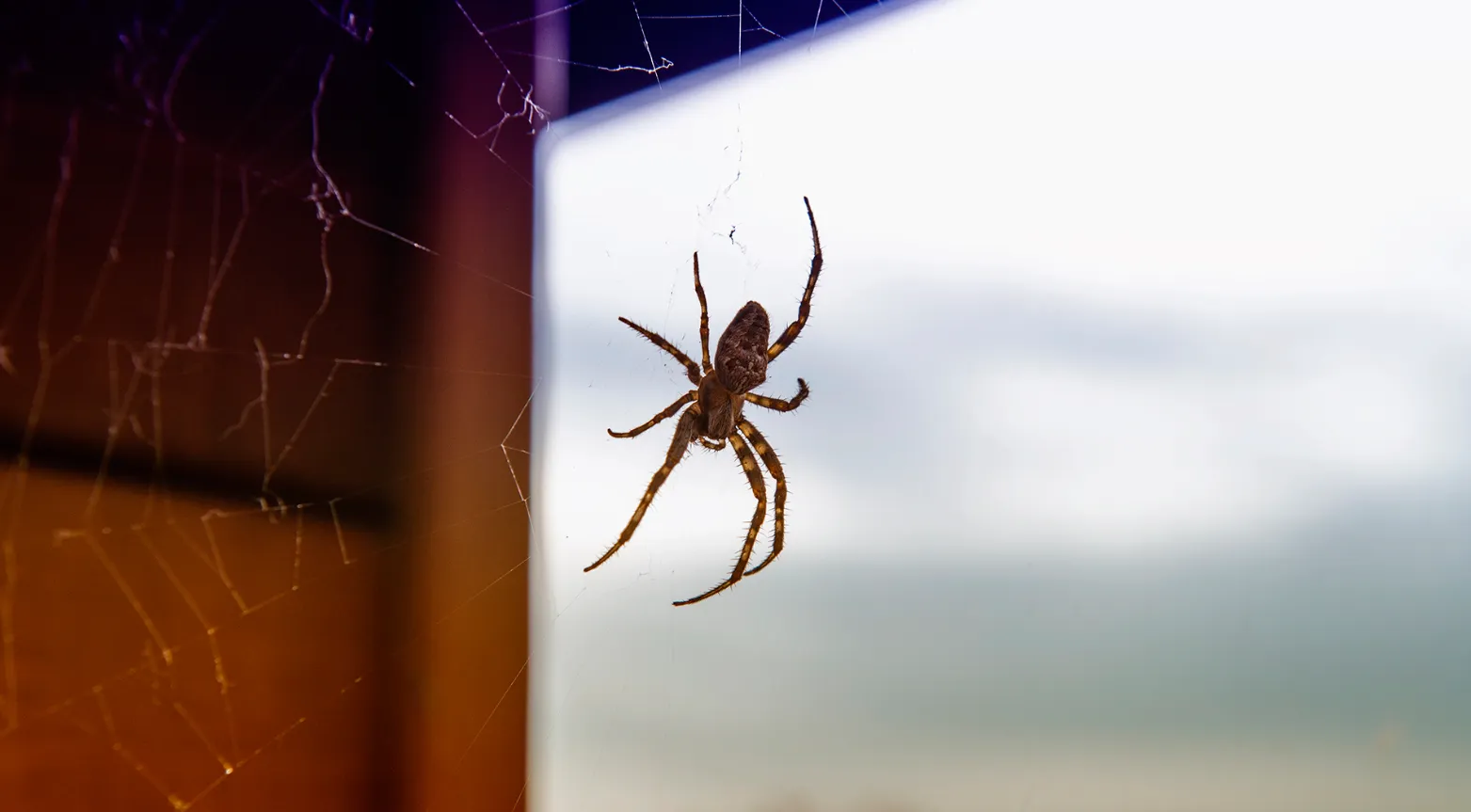
Spiders are some of the most fascinating and misunderstood creatures in the animal kingdom. Known for their ability to spin intricate webs and their unique hunting techniques, spiders have captivated human interest for centuries. However, their life cycle is one of the most extraordinary aspects of these arachnids, with each stage serving a specific purpose that contributes to their survival and role in ecosystems.
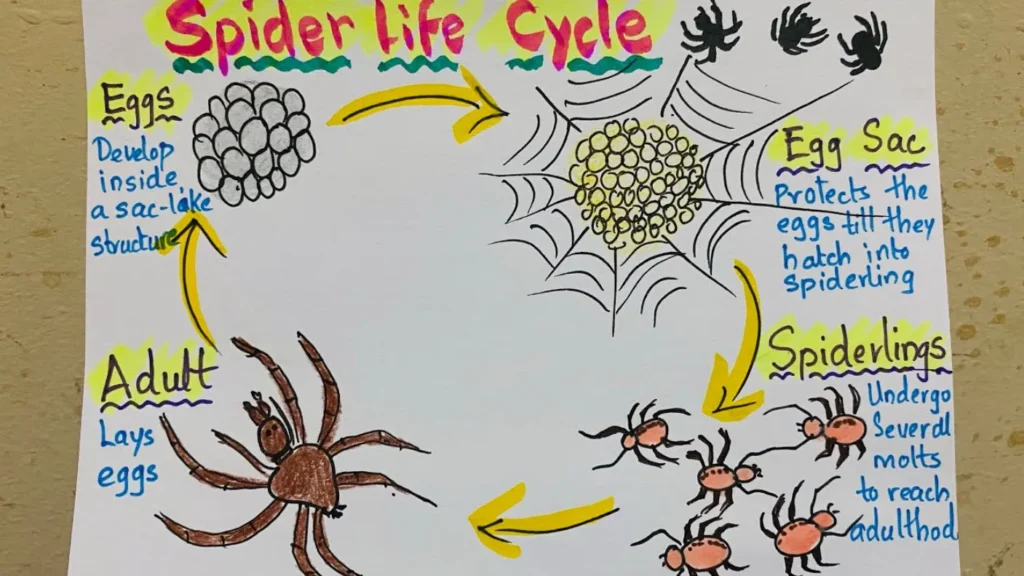
Spiders undergo a complex life cycle that includes several stages, from eggs to fully grown adults. Understanding this process helps highlight their significance in nature, their evolutionary journey, and the ways they have adapted to different environments.
This article explores the various stages of the spider life cycle, the history of their scientific classification, their evolution, their feeding behavior, and their importance in maintaining a balanced ecosystem.
Here are three of the most frequently asked questions about spiders:
- How long do spiders live?
- The lifespan of a spider can vary significantly depending on the species. While some spiders may live for only one to two years, others, like tarantulas, can live up to 20 years.
- How many eggs do spiders lay?
- Female spiders typically lay a large number of eggs—ranging from a few dozen to several hundred, depending on the species. These eggs are stored in silk sacs for protection.
- Why are spiders important in ecosystems?
- Spiders play a vital role in controlling insect populations, helping reduce the number of pests that might otherwise harm plants and crops or even spread diseases.
Quick Life Cycle Table
| Stage | Duration | Description |
| Egg Stage | 1–3 weeks | Female spiders lay eggs in silk sacs that are hidden for protection. |
| Spiderling | 2–8 weeks | After hatching, young spiders (spiderlings) molt several times before reaching maturity. |
| Juvenile | 6 months–2 years | Spiders grow and develop further through molting and behavioral maturation. |
| Adult | 1–2 years | Fully grown spiders are capable of mating and reproducing. |
| Reproductive Stage | N/A | Adult spiders mate and lay eggs, beginning the cycle again. |
The History Of Their Scientific Naming
Spiders belong to the class Arachnida and the order Araneae. Their scientific names are part of the binomial nomenclature system, developed by Carl Linnaeus in the 18th century. Linnaeus’s work, Systema Naturae, laid the foundation for the modern taxonomy of spiders, which is classified by genus and species names.
For example, the genus Araneus includes the orb-weaver spiders, which are commonly known for their distinctive round webs. Over time, the classification system has become more detailed, with scientists identifying and naming over 45,000 spider species. Various characteristics, such as body shape, web structure, and hunting techniques, categorize these spiders.
One of the most well-known species, Araneus diadematus, is also called the European garden spider and is easily identified by the white markings on its abdomen. The naming system helps scientists to accurately identify, study, and understand the wide variety of spider species found worldwide.
Their Evolution And Their Origin
Spiders have a long evolutionary history that dates back approximately 400 million years. Early arachnids, known as Eurypterids, are considered the ancestors of spiders. These ancient creatures were similar to modern-day scorpions but lived in aquatic environments. The evolution of spiders marks a significant shift from aquatic to terrestrial life during the Silurian period.
Spiders evolved many unique traits that set them apart from other arachnids and arthropods. The most notable adaptation is the ability to produce silk, which is used to construct webs, build shelters, and capture prey. This silk production allowed spiders to occupy new ecological niches and expand into diverse environments, from forests to deserts. Spiders also developed venomous fangs to immobilize and digest prey.
The development of spinnerets—specialized silk-producing organs—was another significant evolutionary milestone. These organs allow spiders to produce different types of silk, each serving a specific function, such as web building, egg sac creation, and prey capture.
Today, spiders are found in nearly every corner of the Earth, with over 45,000 species identified. Their evolutionary success can be attributed to their adaptability, versatile hunting techniques, and silk production.
Their Main Food and Its Collection Process
Spiders are carnivorous predators that feed on a variety of small animals, most commonly insects. Their diet includes flies, mosquitoes, moths, beetles, and ants. Some larger species, such as tarantulas and trapdoor spiders, may even consume small vertebrates, such as lizards and frogs.
Spiders employ a range of hunting strategies to collect food. The most common method involves web-building, particularly among orb-weaving spiders. These spiders construct circular, sticky webs to trap flying insects. When an insect becomes ensnared, the spider quickly senses the vibrations and rushes to subdue it with venom.
Not all spiders rely on webs. Wolf spiders, for example, are active hunters. These spiders actively chase and ambush their prey, using their keen vision and speed to capture insects. Once the prey is caught, the spider injects venom to immobilize it, then begins liquefying the body with digestive enzymes.
Some spiders use camouflage to attract prey. For example, crab spiders sit motionless on flowers, blending in with their surroundings. When an unsuspecting insect lands nearby, the spider strikes swiftly, capturing its prey in a matter of seconds.
Their Life Cycle and Ability to Survive in Nature
Life Cycle and Survival Adaptations
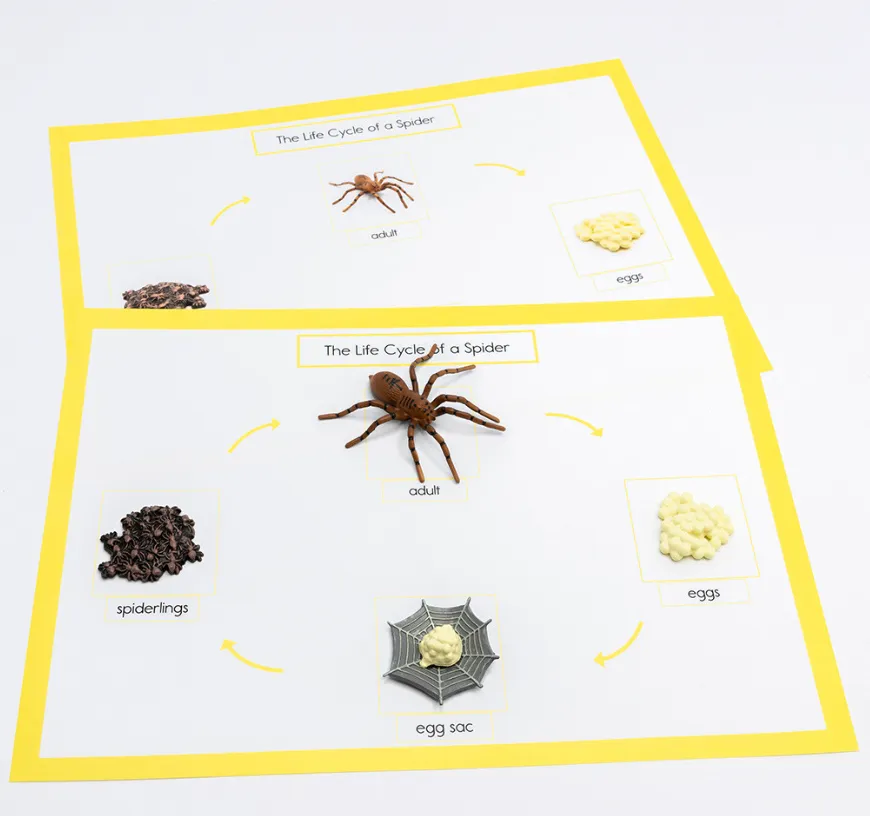
The life cycle of a spider is composed of four main stages: egg, spiderling, juvenile, and adult. Each stage presents unique survival challenges, and spiders have evolved specialized traits to overcome them.
- Egg Stage: Female spiders lay eggs in silk sacs to protect them from predators. The egg sacs are often hidden in sheltered areas to prevent them from being discovered.
- Spiderling Stage: After hatching, spiderlings are highly vulnerable. They rely on their silk sac for protection until they mature enough to leave.
- Juvenile Stage: During the juvenile stage, spiders undergo several molts, each time growing larger and more capable of capturing prey.
- Adult Stage: Fully mature spiders can reproduce and help maintain their species. During this stage, they often reach their greatest size and strength.
Spiders exhibit incredible adaptability. Their silk production enables them to build webs in nearly any environment, providing shelter and a means to capture food. Their ability to produce venom and inject it into prey allows them to feed on creatures much larger than themselves.
Their Reproductive Process and Raising Their Children
Spiders follow diverse reproductive strategies, but most involve some form of courtship ritual. Here’s an overview of their reproduction:
- Courtship Rituals: Male spiders often engage in elaborate displays to attract females, such as drumming on webs or performing complex dances.
- Mating: After courtship, the male transfers sperm to the female using specialized appendages.
- Egg Sac Creation: The female lays eggs in a silk sac, which she may carry with her or hide in a safe location.
- Protecting the Eggs: Some species protect their egg sacs, while others, such as the wolf spider, carry them until they hatch.
- Raising the Young: In some cases, the mother will care for her young after they hatch, providing them with food or protection until they are ready to fend for themselves.
Importance of Them in This Ecosystem
Role in Ecosystems
Spiders are vital components of ecosystems, performing a crucial role in regulating insect populations. Without spiders, insect populations would explode, leading to ecological imbalances and the potential for harmful pest overgrowth. Spiders help control the number of mosquitoes, flies, and other nuisance insects that would otherwise overwhelm the ecosystem.
In addition to pest control, spiders serve as prey for other animals. Birds, amphibians, and larger insects rely on spiders as a food source, making them an integral part of the food chain. Moreover, spiders contribute to soil health by controlling insect populations that would otherwise damage plant life.
Their ability to produce silk and capture prey through webs has made them one of nature’s most effective predators.
Important Things That You Need To Know About the Spider Life Cycle
The spider life cycle comprises several distinct stages: eggs, spiderlings, juveniles, and adults. Each stage of the spider’s life cycle is essential to the survival and proliferation of spider species. Notably, spiders have evolved remarkable adaptations, such as silk production and venom, that enhance their survival.
Understanding how these arachnids grow and develop provides valuable insights into their ecological roles, from controlling insect populations to being a food source for other predators. Furthermore, by preserving habitats and promoting biodiversity, we can ensure that spiders continue to thrive in nature.
What to Do to Protect Them in Nature and Save the System for the Future
Protecting Spiders
- Conserve Habitats: Maintaining natural habitats undisturbed is key to preserving spider populations.
- Use Less Pesticide: Avoid harmful pesticides that can poison spiders and their prey.
- Encourage Biodiversity: Plant diverse plants and avoid monocultures in gardens to create an environment where spiders can thrive.
- Preserve Webs: Avoid destroying webs, as they are crucial for spider survival and reproduction.
Frequently Asked Questions (FAQs)
- How do spiders reproduce?
- Spiders reproduce by mating, and females lay eggs in silk sacs to protect them until they hatch.
- What do spiders eat?
- Spiders primarily eat insects, but some species can consume small vertebrates like lizards and frogs.
- How long do spiders live?
- The lifespan of a spider varies by species, with some living only a few months, while others can live for years.
- Can spiders survive without food?
- Yes, some spiders can survive for several weeks without food by slowing down their metabolism.
- Do all spiders spin webs?
- No, not all spiders spin webs. For example, wolf spiders are active hunters that do not build webs.
- Why are spiders important for gardens?
- Spiders help control pest populations, reducing the need for chemical pesticides in gardens.
- How do spiders catch their prey?
- Spiders catch prey through webs, ambushing, or using silk traps to immobilize insects.
- How many eggs do spiders lay?
- Female spiders can lay anywhere from a few dozen to several hundred eggs in a single sac.
Conclusion
Spiders, with their fascinating life cycles, evolutionary adaptations, and vital role in ecosystems, are essential to maintaining the balance of nature. Their hunting abilities, silk production, and reproductive strategies ensure their survival across diverse environments.
By understanding their life cycle and recognizing their importance, we can appreciate these often-overlooked creatures and continue to protect them for future generations.
Also Read: shark life cycle