The tomato worm, often called the horned Tomato worm or the green horned tomato worm, is a notorious pest among gardeners and farmers. These larvae of the five-spotted hawk moth are known for damaging tomato plants, but their life cycle and unique characteristics are also quite intriguing.
Quick Answers to Common Questions About Tomato Worms
- What is a tomato worm?
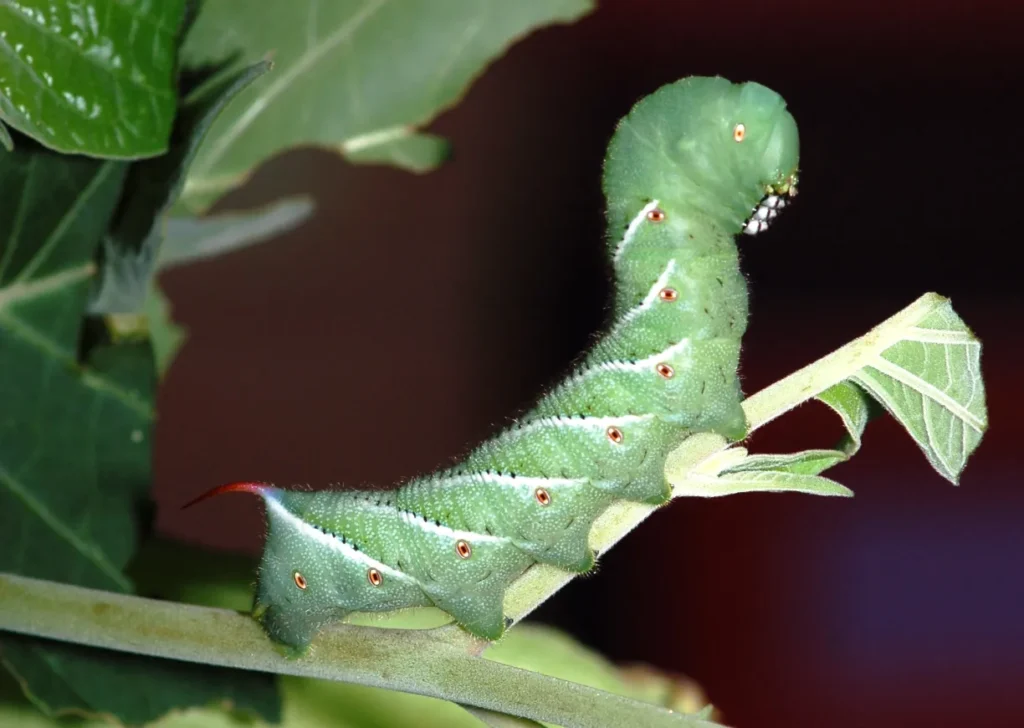
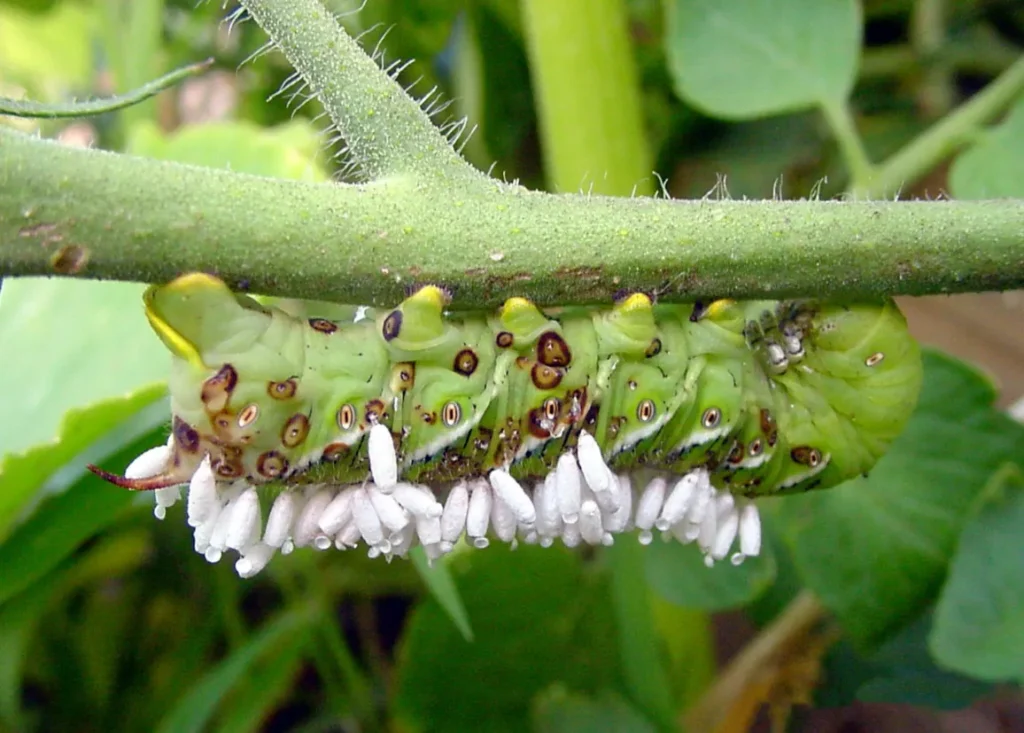
- A tomato worm is the larval stage of the five-spotted hawk moth. They are large, green caterpillars with a distinctive horn on their tails that feed on plants like tomatoes, peppers, and eggplants.
- What do tomato worms turn into?
- Tomato worms eventually turn into hawk moths. After reaching full maturity, they pupate and emerge as adult moths, which are nocturnal and have a distinct hummingbird-like flight pattern.
- How can you get rid of tomato worms?
- Natural predators, such as birds and parasitic wasps, can help control tomato worm populations. For more direct intervention, handpicking the worms off plants or using organic pesticides can be effective.
Quick Life Cycle Table
| Stage | Duration | Description |
| Egg | 2-4 days | Laid on the underside of leaves. |
| Larva (Caterpillar) | 3-4 weeks | Green with white diagonal stripes, eating tomato leaves and fruit. |
| Pupa (Chrysalis) | 10-14 days | The larva burrows into the soil to form a cocoon. |
| Adult (Moth) | 2-4 weeks | A large moth with a distinctive hummingbird-like flight. |
The History of Their Scientific Naming
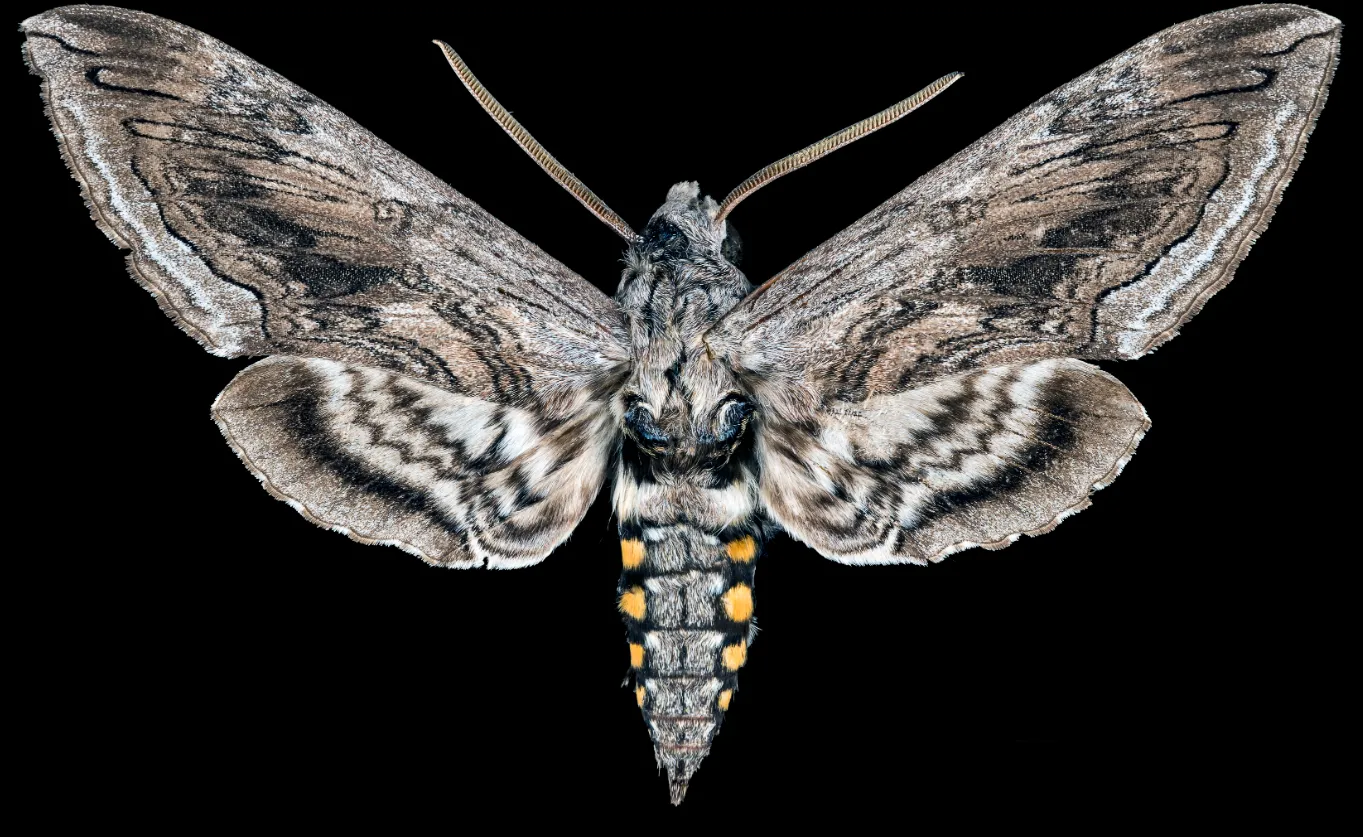
The tomato worm is scientifically known as the Five-spotted Hawk Moth (Manduca quinquemaculata). The name “hawk moth” comes from its ability to hover near plants, similarly to a hummingbird. The “five-spotted” part of the name refers to the characteristic five spots on the moth’s abdomen.
The species was first described in the 18th century, and its scientific naming reflects both its unique appearance and behavior. Over time, the tomato worm has become a well-known pest in agricultural and gardening circles due to the damage it causes to crops.
Their Evolution and Their Origin
The tomato worm’s evolutionary lineage traces back millions of years. As part of the sphingid moth family, Manduca quinquemaculata shares a common ancestry with other moth species that exhibit similar nocturnal behaviors and larval feeding patterns. This particular species has adapted well to its environment by developing a robust immune system that enables it to thrive despite facing numerous predators and challenges.
Originating from North America, the tomato worm has spread to various regions across the continent. Over time, the hawk moth’s ability to reproduce quickly and adapt to different environmental conditions allowed its larvae to become a common sight in gardens and agricultural fields. While originally associated with wild plant species, the increase in cultivated crops such as tomatoes and peppers has provided an abundant food source, contributing to the spread of the tomato worm.
The tomato worm has also evolved unique defense mechanisms. The large green caterpillar often blends seamlessly into its surroundings, making it difficult for predators to spot. Additionally, the horn on its tail serves as a deterrent against potential threats, adding to the worm’s chances of survival in the wild.
Their Main Food and Its Collection Process
Tomato worms primarily feed on plants from the Solanaceae family, including tomatoes, peppers, and eggplants. Here’s a breakdown of their food collection process:
- Feeding Behavior: The larvae are voracious eaters and tend to devour plant leaves, sometimes consuming entire branches when infestations are severe. Their feeding primarily occurs during the night, allowing them to avoid direct exposure to predators.
- Feeding Sites: Tomato worms prefer the leaves of their host plants, where they can chew through the tissue to extract nutrients. However, they may also feed on the developing fruits, causing significant damage.
- Growth and Molt: As they feed, the caterpillars grow rapidly, shedding their skin multiple times before reaching full maturity. Each molt allows them to consume more food, enabling them to grow to the large size they are known for.
Their Life Cycle and Ability to Survive in Nature
The Life Cycle of the Tomato Worm
The tomato worm’s life cycle is fascinating and involves several stages. The cycle begins with the moth laying eggs on the underside of leaves. The larvae hatch and immediately begin feeding on plant matter, typically for about 3 to 4 weeks. After their feeding phase, they enter the pupal stage, burrowing into the soil to undergo metamorphosis. After 10 to 14 days, the adult moth emerges, and the cycle begins anew.
Survival in Nature
Tomato worms are well-equipped to survive in their environment due to their excellent camouflage and defensive mechanisms. The green coloration of their caterpillar stage allows them to blend into the foliage, making them hard for predators to spot. Additionally, their horned appearance can deter certain predators, such as birds, though it’s not foolproof.
Their Reproductive Process and Raising Their Children
The reproductive process of the tomato worm involves mating between adult hawk moths. Here are the key stages of their reproduction:
- Mating: After emerging from the pupal stage, the moths engage in mating. Female moths release pheromones to attract males.
- Egg Laying: Female moths lay eggs on the underside of leaves, particularly on plants that will provide food for the developing larvae.
- Larval Growth: After hatching, the larvae begin feeding on the host plants. They go through several instars before becoming fully grown caterpillars.
- Pupa Formation: Once fully grown, the larvae enter the pupal stage and bury themselves in the soil to undergo metamorphosis.
- Emergence: After pupation, the adult moths emerge to continue the cycle.
Importance of Them in This Ecosystem
Key Role in Pollination and Food Web
While tomato worms are often viewed as pests, they play an important role in the ecosystem. Their larvae are a food source for many predators, such as birds and parasitic wasps. Additionally, the adult moths are significant pollinators. The hawk moth’s feeding behavior, which involves hovering near flowers, helps transfer pollen from one plant to another. Without this natural service, some plant species could struggle with reproduction.
What to Do to Protect Them in Nature and Save the System for the Future
To protect tomato worms and ensure their role in the ecosystem remains intact, consider the following steps:
- Promote Natural Predators: Encourage the presence of birds, parasitic wasps, and other natural predators that keep tomato worm populations in check.
- Avoid Overuse of Pesticides: Excessive pesticide use can harm not only tomato worms but also other creatures that help maintain a balanced ecosystem.
- Support Biodiversity: Maintaining diverse plant life ensures that tomato worms, along with other species, have access to the resources they need to thrive.
- Foster Healthy Habitats: Encourage the creation of habitats that support the survival of both larvae and adult moths. This includes providing native plants that support their lifecycle.
Important Things That You Need to Know: LSI Keyword Insights
Tomato Worms and Their Significance in Nature
Tomato worms, especially the green horned tomato worm, have become infamous for their ability to destroy crops. However, they are not only destructive pests. These tomato worms are integral to their ecosystems. The moths they transform into are important pollinators, ensuring the continued reproduction of various plants. The tomato worm moth is highly adapted to its environment, making it an interesting subject for study in terms of survival tactics and evolutionary adaptation. Their horned appearance is a defensive feature that deters predators and enhances their survival.
It is essential to understand that while tomato worms can be a nuisance for gardeners and farmers, they also play critical roles in the ecological balance, from pollination to serving as food for other species. Therefore, while managing their presence in agriculture is necessary, their conservation and role in nature should not be overlooked.
Frequently Asked Questions (FAQs)
- What is a tomato worm’s natural habitat?
- Tomato worms naturally inhabit areas with tomato plants, peppers, and other solanaceous plants. They are commonly found in gardens, fields, and forests.
- How do I identify a tomato worm?
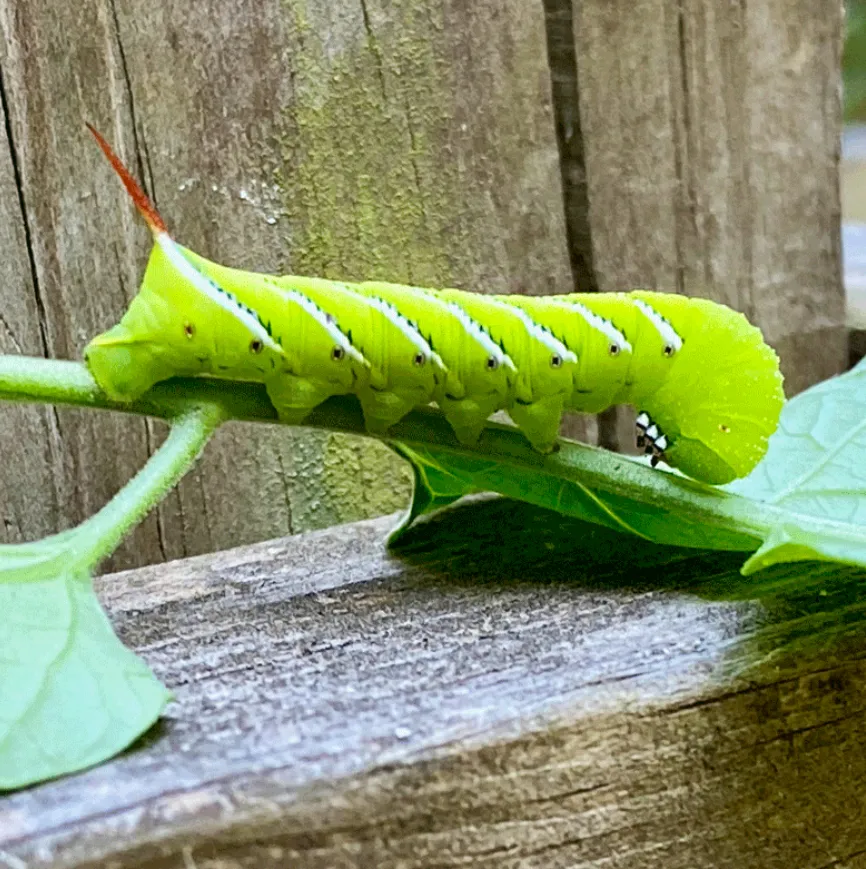
- Tomato worms are large, green caterpillars with a horn at the end of their bodies. They often have white diagonal stripes along their sides.
- What damage do tomato worms cause?
- Tomato worms feed on the leaves, stems, and fruits of tomato and pepper plants, causing significant damage to crops.
- Are tomato worms harmful to humans?
- No, tomato worms are not harmful to humans, though handling them can cause mild irritation in some individuals.
- How long do tomato worms live?
- Tomato worms live for about 4-6 weeks in their caterpillar stage, followed by 2-4 weeks as adult moths.
- How can I prevent tomato worm infestations?
- You can prevent infestations by encouraging natural predators, handpicking the worms off plants, and using organic pesticides.
- Do tomato worms affect other plants?
- While they prefer solanaceous plants, tomato worms can also feed on other plant species in the same family, such as eggplants.
- What attracts tomato worms to my garden?
- Tomato worms are attracted to plants like tomatoes, peppers, and eggplants. Keeping your garden clean and removing any infested plants can reduce the likelihood of attracting them.
Conclusion
The tomato worm is a remarkable creature whose life cycle and role in nature offer valuable lessons in adaptation and survival. While it is often considered a pest in agricultural settings, it plays an essential part in pollination and serves as a vital food source in the food chain.
Understanding the tomato worm’s life cycle, evolutionary background, and ecological importance is crucial to maintaining a healthy, balanced ecosystem. By adopting sustainable gardening practices, we can protect both the tomato worm and the environment, ensuring that this fascinating insect continues to thrive in nature.
Also Read: life cycle of a chick