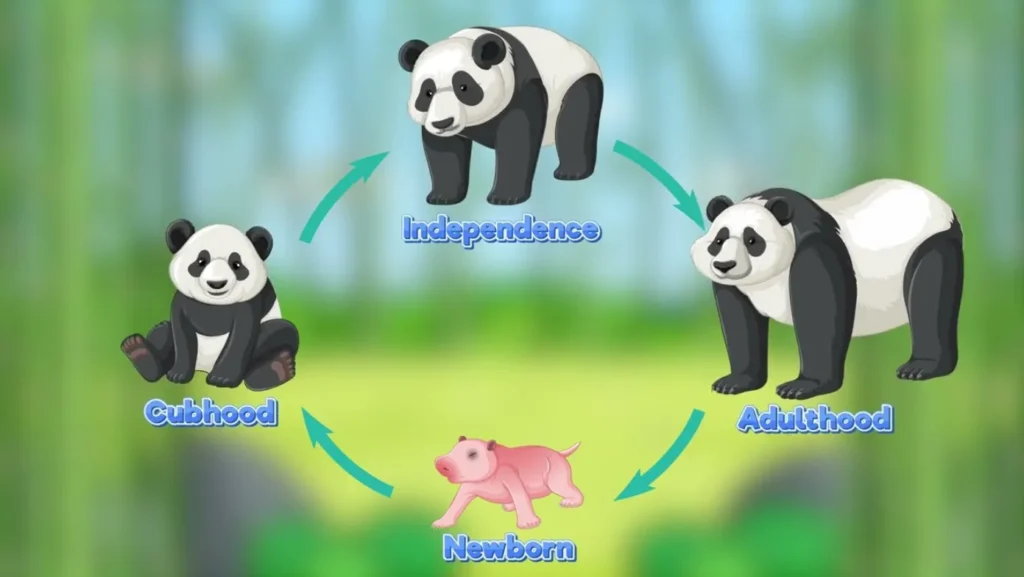
The life cycle of a panda is fascinating, involving multiple stages from birth to adulthood. Giant pandas, known for their distinctive black-and-white fur, face unique challenges in the wild. In this article, we will explore their journey from birth through to maturity, including important details about their life stages and environmental significance.
Quick Answers to Common Questions:
- How long do pandas live?
- Giant pandas live for around 20 years in the wild and up to 30 years in captivity, making their lifespan relatively long compared to other wildlife species.
- What do pandas eat?
- Pandas primarily eat bamboo, consuming large quantities to meet their dietary needs. Bamboo makes up nearly 99% of their diet, though they may occasionally eat small animals or eggs.
- How many babies do pandas have?
- Pandas typically give birth to one or two cubs at a time, but in the wild, it’s more common for only one cub to survive due to the mother’s limited ability to care for more than one.
Quick Life Cycle Table
| Stage | Duration | Key Characteristics |
| Birth | 0-6 months | Cubs are born blind, weighing around 100 grams, and rely entirely on their mothers for warmth and nutrition. |
| Infancy | 6 months – 1 year | Cubs start to grow, and their eyes open. They begin to explore their surroundings but remain dependent on their mother. |
| Juvenile | 1-2 years | Cubs begin to eat bamboo and learn survival skills under their mothers’ guidance. |
| Adulthood | 3-5 years | Pandas mature, become fully independent, and establish their own territories. |
| Senior | 10-20 years | Pandas continue to live solitary lives, mostly feeding on bamboo. They become less active as they age. |
The History of Their Scientific Naming
The giant panda, Ailuropoda melanoleuca, was first described by the French missionary and naturalist Père Armand David in 1869. The name Ailuropoda derives from the Greek words “ailuros” (cat) and “pous” (foot), meaning “cat-foot,” a reference to their cat-like paws. The term melanoleuca comes from Greek, meaning “black and white.” This scientific name reflects the panda’s most striking feature—the contrast of its black and white fur.
Their Evolution and Origin
The giant panda’s origins lie in the ancient bear family. Believed to have diverged from other bears around 20 million years ago, pandas evolved in the dense forests of China, specifically the mountainous regions where bamboo thrived. The panda’s closest living relatives are the spectacled bear and the red panda, though they have developed distinct physical traits that make them unique.
The panda’s dietary shift to bamboo occurred approximately 2 million years ago. Unlike most bears, which are omnivores, the giant panda became a specialist in eating bamboo, a high-fiber, low-energy food source. Over time, pandas developed specialized wrist bones that function like an opposable thumb, allowing them to grasp bamboo stalks with great efficiency. This adaptation was crucial for survival in the bamboo-dominated ecosystems they call home.
Their Main Food and Its Collection Process
Pandas are primarily herbivores, and their main food source is bamboo. Bamboo accounts for about 99% of their diet. They consume different species of bamboo, but their favorites are those high in nutrients and fiber. Since bamboo is low in calories and hard to digest, pandas must eat large quantities daily—often up to 40 kilograms (88 pounds) per day.
The collection process is labor-intensive, as pandas spend up to 16 hours a day eating bamboo. They are selective feeders, choosing the youngest, most tender bamboo shoots. The ability to consume such large quantities is essential for their survival, as bamboo provides little nutritional value. Pandas also occasionally eat small animals, such as rodents and birds, to supplement their diet, though this is rare.
Their Life Cycle and Ability to Survive in Nature
Birth and Early Development
A panda’s life begins with birth, usually in the spring, after a gestation period of about five months. Cubs are born incredibly small—about the size of a stick of butter—considering their mothers typically weigh around 85 kilograms (187 pounds). Cubs are helpless at birth, relying entirely on their mothers for warmth, protection, and nourishment. They stay in the den with their mother for the first few months of life.
Infancy and Growth
As pandas grow, their fur becomes thicker, and they begin to develop more distinct features. Cubs begin to crawl around at around three months, and by six months, they start to climb. By the time they are one year old, pandas are beginning to sample bamboo, though they are still reliant on their mother’s milk. This period is critical for survival, as the cub learns essential skills like climbing and foraging.
Juvenile to Adulthood
At around 18 months, pandas reach a stage of greater independence but still rely on their mothers for guidance. Between 2 and 3 years old, they leave their mother’s side and venture off to establish their territories. This is a critical time for pandas, as they must navigate the challenges of finding food and avoiding predators. By age 5, pandas are considered fully mature.
Their Reproductive Process and Raising Their Children
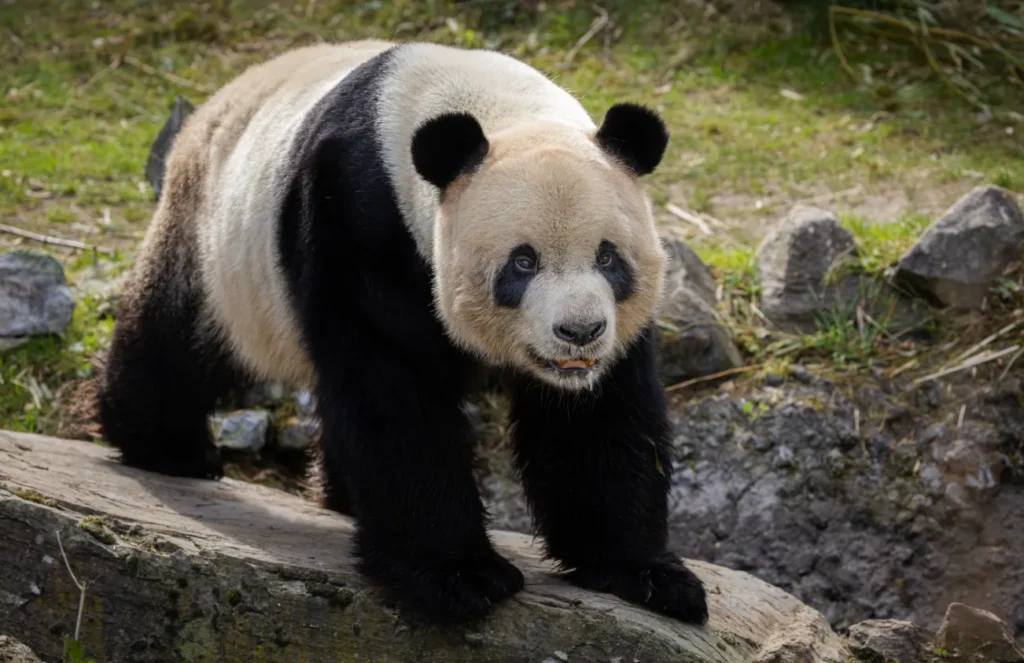
Pandas are solitary animals, with only brief interactions between males and females during the mating season, typically from March to May. Females are fertile for only a few days each year, which is why the reproductive process is so delicate and timing-sensitive. After mating, the female panda carries the fertilized egg for about five months.
Once the cub is born, the female raises it alone, as males do not participate in parenting. The cubs are very vulnerable in the early stages of life, and it is the mother’s responsibility to care for them until they are strong enough to survive independently. A panda mother will protect her cubs fiercely, and the cub needs to stay close to her in the early months to ensure survival.
Importance of Pandas in the Ecosystem
Pandas play a vital role in their ecosystem. Consuming large amounts of bamboo helps control its growth, preventing overgrowth that could stifle other species. Their presence also helps maintain a healthy balance in the ecosystem by supporting a variety of other plants and animals.
Additionally, pandas are considered a flagship species for conservation. Efforts to protect pandas and their habitats have led to broader environmental initiatives that benefit other endangered species in the region.
Important Things That You Need To Know
Giant Pandas are a symbol of conservation efforts worldwide. Their slow reproductive rate and dependency on bamboo make them vulnerable to habitat loss and climate change. The IUCN Red List categorizes pandas as “vulnerable,” but concerted conservation efforts have led to a population increase in recent years. Here are some essential things to note about pandas:
- Panda Conservation Programs: Various programs aim to protect panda habitats, promote sustainable bamboo harvesting, and reduce human-wildlife conflict.
- Panda Reserves: In China, there are over 60 panda reserves that provide safe havens for these animals and ensure they have the space and resources they need to thrive.
- Ecotourism: In panda reserves, it helps raise awareness of panda conservation and generates funds for their protection.
What to Do to Protect Pandas in Nature and Save the System for the Future
- Preserve Panda Habitats: Ensure that panda habitats are protected from deforestation and human encroachment.
- Support Bamboo Conservation: Bamboo is the primary food source for pandas. Protecting bamboo forests is crucial for their survival.
- Reduce Poaching and Illegal Trade: Strengthen laws to combat poaching and the illegal wildlife trade.
- Promote Ecotourism: Encouraging responsible ecotourism helps generate income for conservation projects.
- Invest in Research and Education: Ongoing research and public education campaigns are essential to understanding pandas’ needs and supporting conservation.
Frequently Asked Questions (FAQs)
- How long do pandas live in the wild?
- Giant pandas typically live for around 20 years in the wild.
- What is a panda’s diet?
- Pandas mainly eat bamboo, with an occasional supplement of small animals.
- How many babies do pandas have?
- Pandas usually give birth to one or two cubs, but often only one survives.
- How do pandas reproduce?
- Pandas have a short mating season, and females are only fertile for a few days each year.
- What are the threats to pandas?
- Habitat loss, climate change, and poaching are major threats to panda populations.
- How many pandas are left in the wild?
- There are roughly 1,800 pandas left in the wild, with most of them living in protected areas.
- Can pandas be kept in captivity?
- Yes, pandas can be kept in zoos, but they require specialized care due to their diet and solitary nature.
- What is the role of pandas in conservation?
- Pandas are a symbol of conservation efforts, helping to promote environmental awareness and protect ecosystems.
Conclusion
The life cycle of a panda showcases the intricate balance of nature and the challenges these creatures face to survive. From birth to adulthood, pandas rely on their mothers, the environment, and conservation efforts to thrive. By supporting ongoing protection programs, we can ensure that these iconic animals remain a part of our world for generations to come.
Also Read: life cycle of a bed bug