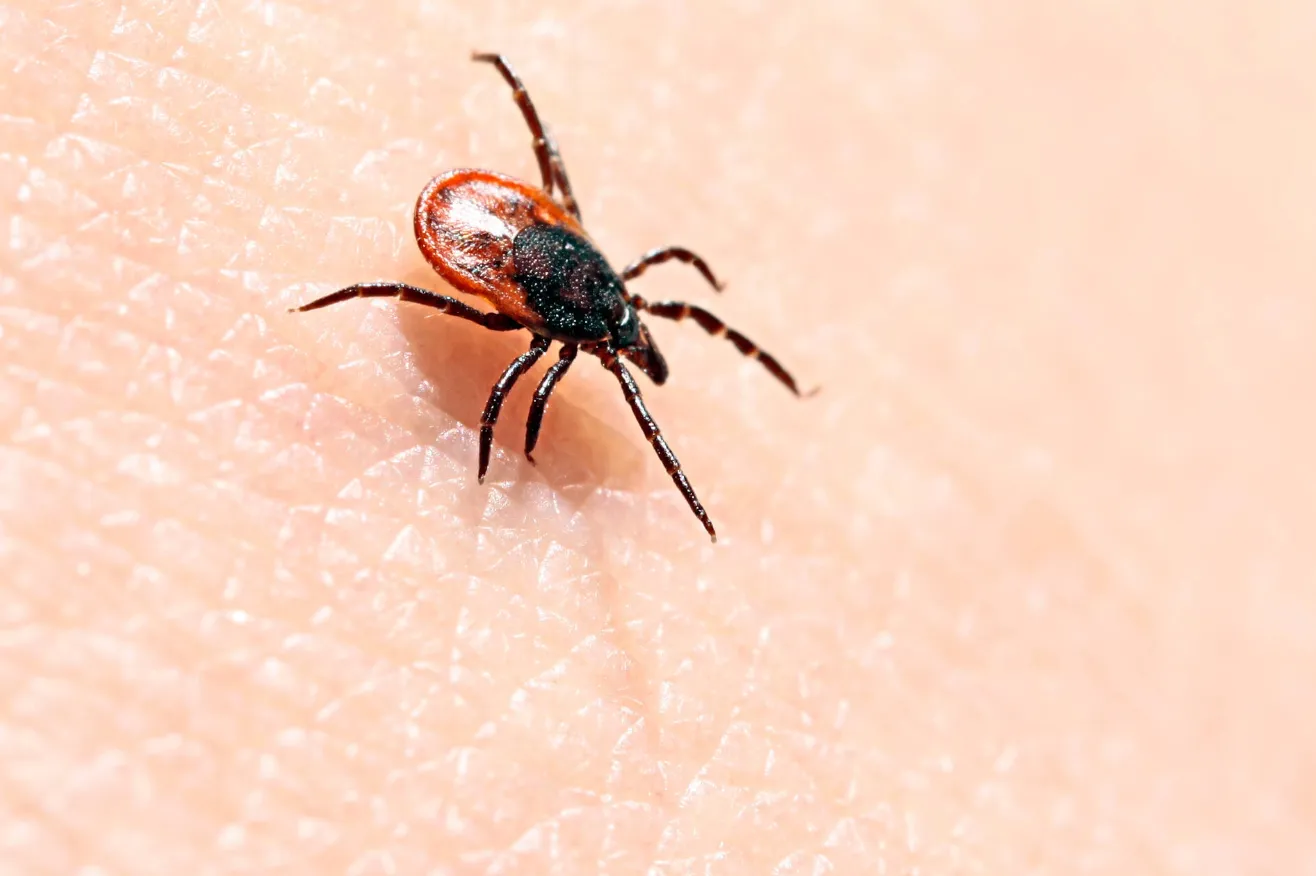
Ticks are small but significant creatures that can have a big impact on both animals and humans. Understanding the life cycle of ticks is essential to recognizing how they survive, reproduce, and potentially affect us. These tiny parasites are most notorious for their ability to spread diseases like Lyme disease, Rocky Mountain spotted fever, and babesiosis.
Quick Answers
- What is the life cycle of a tick?
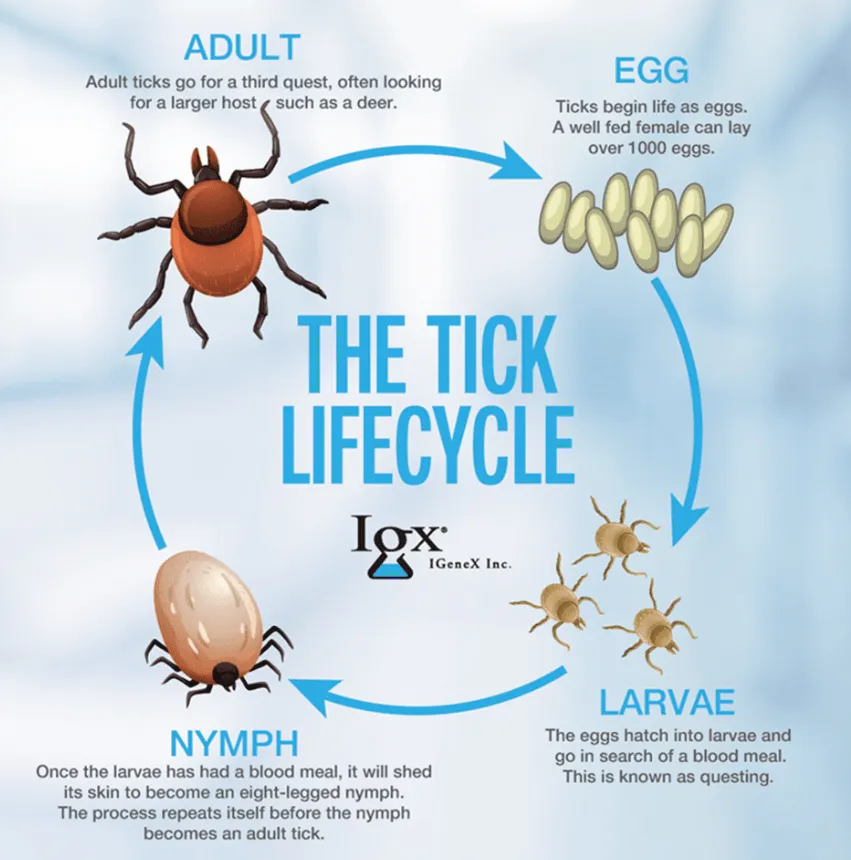
- The life cycle of a tick includes four stages: egg, larva (6-legged), nymph (8-legged), and adult (8-legged). They need to feed on the blood of hosts at each stage (except for the egg stage).
- What types of ticks are harmful to humans?
- Some of the most harmful ticks to humans include the deer tick (Ixodes scapularis) and the lone star tick (Amblyomma americanum), which can transmit Lyme disease and other infections.
- How do ticks affect pets?
- Ticks can cause various health issues in pets, including tick-borne diseases like Lyme disease and ehrlichiosis. Regular tick prevention for pets is vital.
Quick Life Cycle Table of Ticks
| Stage | Description | Duration | Feeding Requirement |
| Egg | Female ticks lay eggs in sheltered areas. | Days to Weeks | None |
| Larva | A 6-legged tick must find a host to feed on. | A few days to weeks | Blood meal |
| Nymph | An 8-legged tick feeds on a host for growth. | Weeks to Months | Blood meal |
| Adult | 8-legged, fully developed tick that reproduces. | Months to Years | Blood meal (for females) |
The History of Their Scientific Naming
Ticks are classified in the class Arachnida, which includes spiders and scorpions. They belong to the order Ixodida, with over 900 species identified worldwide. The name “tick” comes from the Old English word tic, reflecting the small, annoying nature of these creatures. Many ticks, such as the Ixodes scapularis (deer tick), are named based on their host preference or the regions where they are commonly found.
Their Evolution and Origin
Ticks are ancient creatures that evolved around 100 million years ago. Fossil evidence suggests that they have remained relatively unchanged, adapting to feed on a variety of hosts, from reptiles to mammals. Their evolutionary success is linked to their ability to survive without regular feeding, storing energy from blood meals for long periods.
Ticks are divided into two main families: Ixodidae (hard ticks) and Argasidae (soft ticks). The hard ticks are most often associated with disease transmission, as they attach firmly to their hosts and feed for several days. Over millions of years, ticks have evolved specialized mouthparts (capitulum) designed for anchoring to their hosts and feeding effectively.
Their Main Food and Its Collection Process
Ticks are obligate blood-feeding parasites, meaning they require a blood meal at several stages of their life cycle. To find their hosts, ticks use a method called questing, in which they climb to the top of vegetation and extend the front pair of legs to latch onto passing animals. They are adept at detecting their hosts through vibrations, body heat, and carbon dioxide.
Once a tick attaches to a host, it uses its specialized mouthparts to pierce the skin and feed on the blood. The feeding process can last anywhere from a few hours to several days. Female ticks require a blood meal to produce eggs, making blood an essential nutrient for their reproduction.
Their Life Cycle and Ability to Survive in Nature
Tick Life Cycle and Survival in Nature
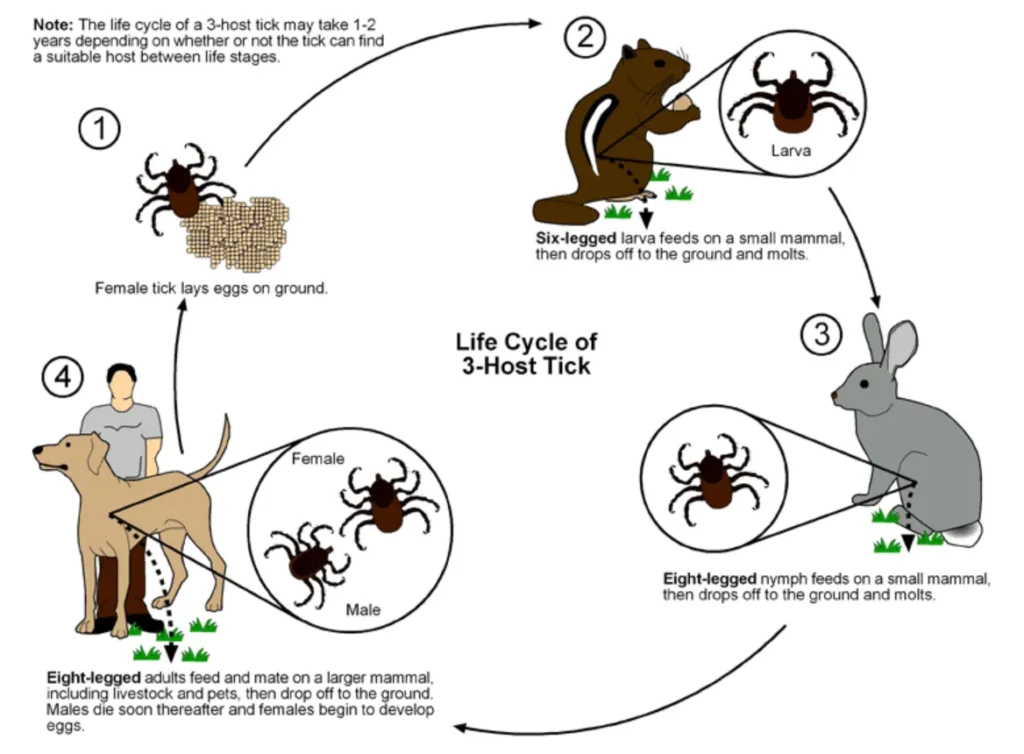
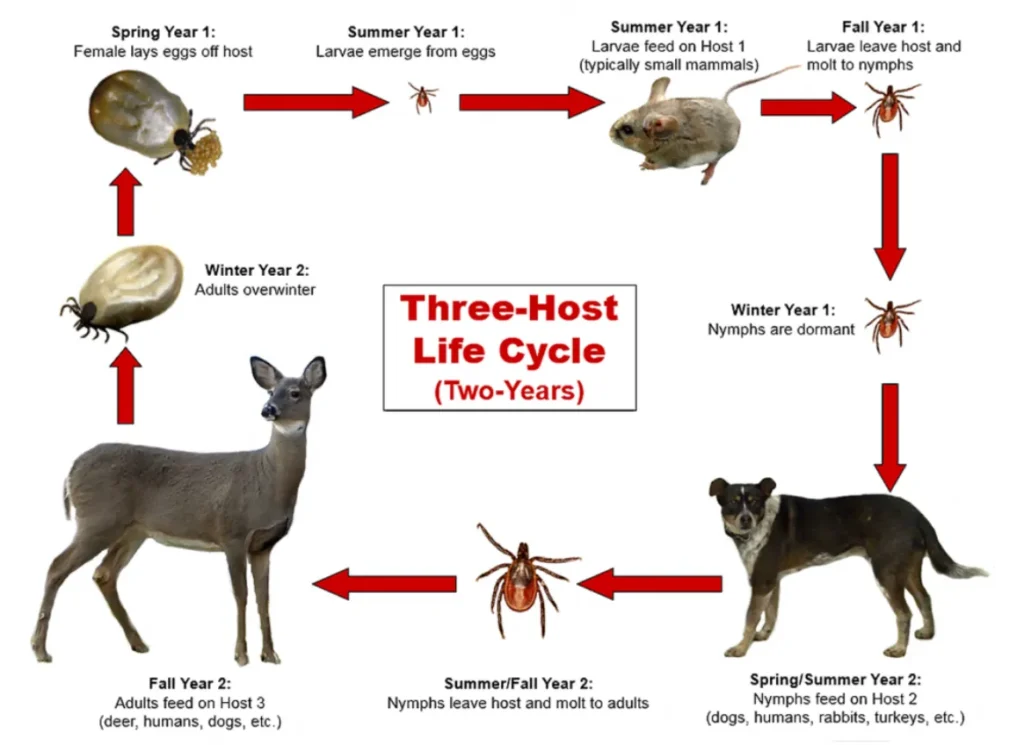
The life cycle of a tick can span anywhere from a few months to several years, depending on the species and environmental conditions. Most ticks thrive in wooded areas, grasslands, and places with high humidity. They can survive for extended periods without feeding by entering a dormant state, waiting for a host to come by. This survival mechanism allows them to persist in environments with irregular access to blood meals.
Ticks do not fly or jump; they rely on “questing” to find hosts. Once they attach to a host, they remain in place, feeding until they become engorged. This ability to feed slowly and efficiently allows them to endure for long periods, contributing to their resilience in nature.
Their Reproductive Process and Raising Their Children
Female ticks require a blood meal before they can reproduce. After feeding, they become engorged and mate with a male tick. The female tick then lays her eggs, often in sheltered, humid areas such as leaf litter or soil cracks. The eggs hatch into larvae after a few weeks to months. Larvae need to find a host for their first blood meal.
After molting into nymphs, ticks continue their search for a new host. Nymphs can transmit diseases to both animals and humans. Once the nymph has fed and matured into an adult, females reproduce, starting the life cycle again.
Importance of Them in the Ecosystem
Ecological Importance of Ticks
Despite their reputation as disease vectors, ticks play an essential role in the ecosystem. They help regulate populations of small mammals and birds by controlling their numbers through parasitism. Additionally, ticks serve as food for other predators, such as birds and amphibians, contributing to the food web.
However, ticks also serve as vectors for diseases that impact wildlife, domestic animals, and humans. Their ability to transmit these pathogens makes them both essential and dangerous in many ecosystems.
What to Do to Protect Them in Nature and Save the System for the Future
- Reduce Tick Habitats: Clear tall grasses, leaf litter, and other debris that may harbor ticks around homes and campsites.
- Use Protective Gear: Wear light-colored clothing, including long sleeves and pants, when walking through areas known to have ticks.
- Use Tick Repellents: Apply insect repellents containing DEET or permethrin on clothing and exposed skin.
- Regular Tick Checks: After spending time outdoors, perform thorough tick checks on yourself, pets, and children.
- Manage Wildlife Populations: Control the number of host animals in tick-prone areas to reduce tick exposure.
Important Things That You Need To Know About Ticks
Ticks are not only important for their ecological role but also present challenges due to the diseases they can spread. Ticks on dogs and ticks on humans are major concerns for pet owners and residents of tick-endemic areas. One of the most common tick-borne diseases is Lyme disease, caused by the bacterium Borrelia burgdorferi. This disease can lead to severe health issues, such as arthritis, neurological symptoms, and, in extreme cases, organ failure.
Ticks generally prefer areas with dense vegetation and high humidity. By understanding how ticks thrive, we can take preventative measures to avoid exposure. Additionally, seed ticks are a common term for young ticks that are often barely visible but can cause significant harm by transmitting disease early in their development.
Frequently Asked Questions (FAQs)
- What are ticks?
- Ticks are small arachnids that feed on the blood of animals and humans, often transmitting diseases in the process.
- Can ticks be found indoors?
- While ticks typically prefer outdoor environments, they can sometimes enter homes on pets or humans.
- How do I remove a tick from my pet?
- Use fine-tipped tweezers to grasp the tick close to the skin and pull it out steadily, making sure not to leave any parts behind.
- Can ticks transmit Lyme disease?
- Yes, ticks, especially deer ticks, can transmit Lyme disease.
- What do ticks look like?
- Ticks are small, oval-shaped arachnids with eight legs. Their color can range from reddish-brown to greyish, depending on whether they’ve been fed.
- How can I prevent tick bites?
- Wear protective clothing, use tick repellents, and check yourself and pets regularly for ticks.
- Where do ticks live?
- Ticks prefer wooded, grassy areas with high humidity, but they can also be found in urban areas, particularly on pets.
- How long do ticks live?
- Ticks can live from a few months to several years, depending on the species and environmental conditions.
Conclusion
Ticks may be small, but their impact on human and animal health cannot be overlooked. Understanding the life cycle of ticks helps us protect ourselves, our pets, and our environment from the dangers they pose.
By using proper tick prevention methods and recognizing the importance of these creatures in the ecosystem, we can strike a balance between managing tick populations and protecting our health. Regular monitoring and awareness are key to minimizing the risks associated with ticks.
Also Read: life cycle of a hen