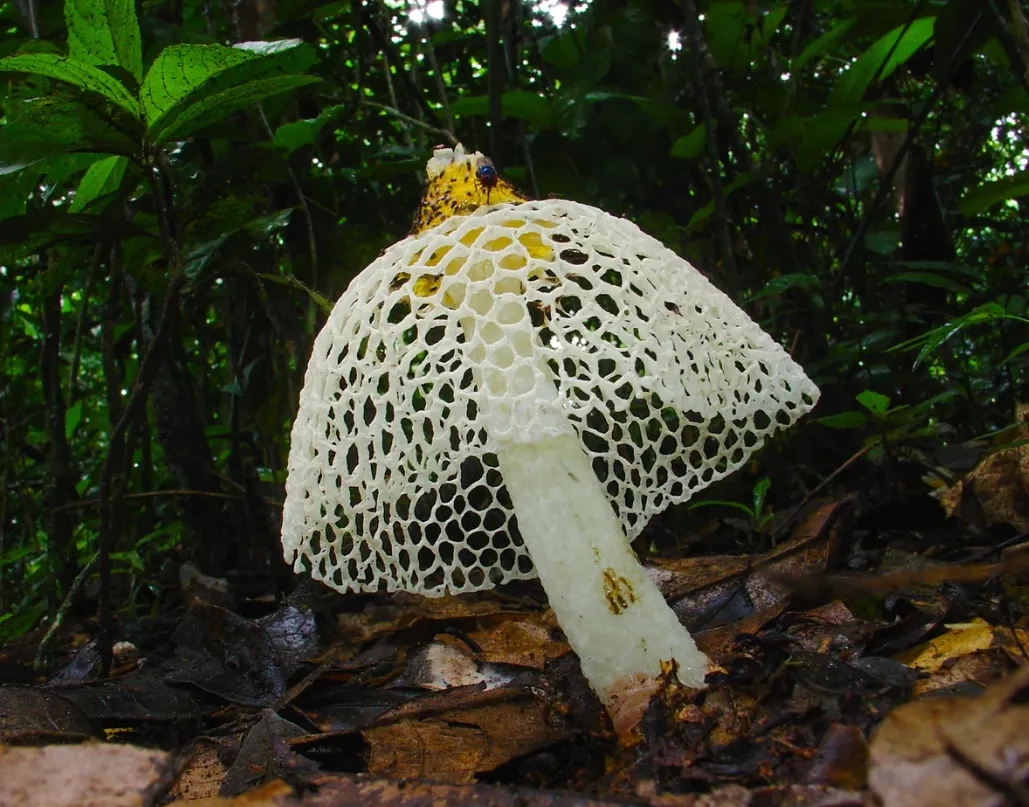
The life cycle of fungal organisms, more accurately called the life cycle of fungi, is one of the most interesting natural processes on Earth. Fungi are not plants, animals, or bacteria. They belong to their own biological kingdom called Kingdom Fungi, which includes mushrooms, molds, yeasts, rusts, smuts, and many microscopic species. Scientists have formally described about 144,000 known fungal species, but global estimates suggest there may be around 2–3 million fungal species, with many still unnamed or undiscovered.
Fungi survive through a life cycle that mainly involves spores, hyphae, and mycelium, and sometimes visible fruiting bodies such as mushrooms. Their ability to reproduce both sexually and asexually helps them survive in soil, water, plants, dead wood, food, and even the human body.
Although some fungi can cause infections, such as skin infections, rashes, or ear infections, most fungi are highly beneficial. They break down dead matter, recycle nutrients, support plant roots, and help maintain healthy ecosystems.
Q: What is the life cycle of fungi?
A: The life cycle of fungi usually begins with spores, which germinate into hyphae, grow into a mycelium, form reproductive structures, and then release new spores.
Q: Do fungi reproduce sexually or asexually?
A: Many fungi can reproduce both sexually and asexually, depending on the species and environmental conditions. Sexual reproduction increases genetic diversity, while asexual reproduction helps fungi spread quickly.
Q: Are all fungi harmful to humans?
A: No. Only some fungi cause disease. Many fungi are useful in food production, medicine, agriculture, soil health, and nutrient recycling.
Quick Life Cycle Table
| Stage | What Happens | Main Purpose |
| Spore Stage | Tiny fungal spores are released into the air, soil, water, or organic matter. | Spreading to new places |
| Germination | A spore finds moisture, food, and the right temperature, then begins to grow. | Starting new fungal growth |
| Hyphae Formation | Thread-like structures called hyphae grow from the spore. | Absorbing food and expanding |
| Mycelium Growth | Many hyphae join together to form mycelium. | Feeding, survival, and colonization |
| Mature Fungal Body | Some fungi produce mushrooms or other fruiting bodies. | Preparing for reproduction |
| Reproduction | Fungi produce sexual or asexual spores. | Creating the next generation |
| Spore Release | Spores spread through wind, water, animals, insects, or contact. | Continuing the life cycle |
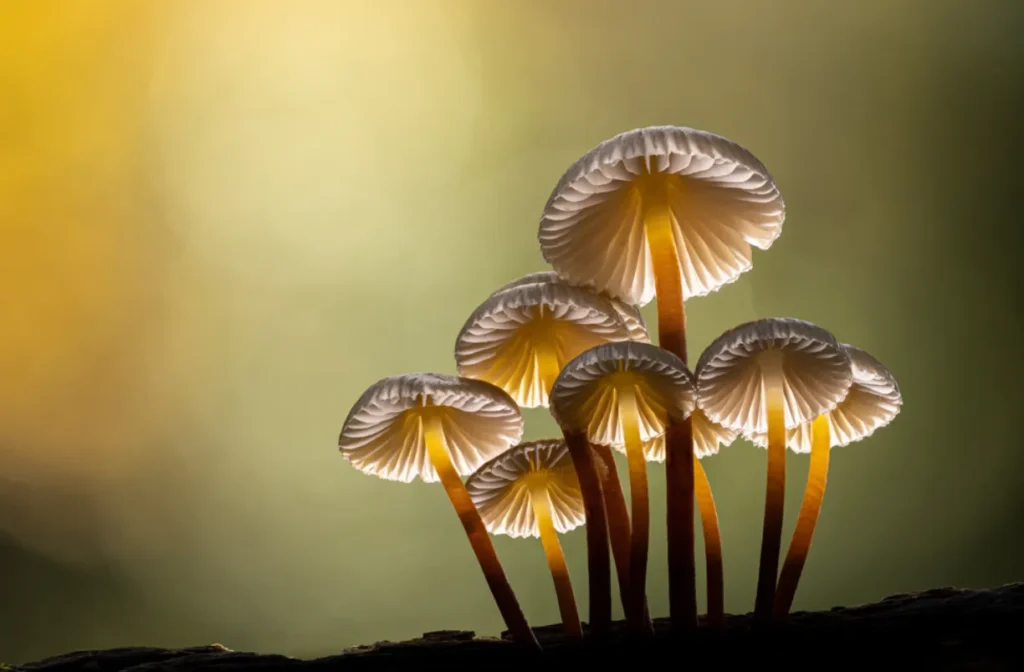
The History of Their Scientific Naming
The scientific naming of fungi developed gradually as scientists learned that these organisms were different from plants. In early history, fungi were often grouped with plants because many of them grow from the soil and do not move like animals. However, this classification was incomplete because fungi do not make their own food through photosynthesis.
The word fungus comes from Latin and was historically used to refer to mushrooms and similar growths. Later, scientists created the formal kingdom name Fungi to separate them from plants and animals. Modern taxonomy now classifies fungi based on their cell structure, spore type, DNA evidence, reproductive method, and evolutionary relationships.
Important naming groups include Ascomycota, Basidiomycota, Chytridiomycota, Mucoromycota, and Glomeromycota. For example, many mushrooms belong to Basidiomycota, while yeasts and many molds belong to Ascomycota. Scientific naming helps researchers identify which fungi are edible, medicinal, harmful, decomposing, or plant-associated.
This naming system is especially important because millions of fungal species may still be unknown to science.
Their Evolution And Their Origin
The evolution of fungi goes back hundreds of millions of years. Fungi are ancient eukaryotic organisms, meaning their cells contain a nucleus. Evidence suggests that fungi may have appeared about one billion years ago, although the fossil record is limited because fungal bodies are usually soft and decay easily.
Early fungi likely lived in aquatic or moist environments. Some early groups, such as chytrids, had swimming reproductive cells called zoospores. Over time, many fungal lineages adapted to land. This was a major evolutionary step because land environments required better ways to absorb nutrients, resist dryness, and spread spores.
One of the most important evolutionary developments was the formation of hyphae. These fine, thread-like structures allowed fungi to grow through soil, wood, leaf litter, and living tissue. Hyphae helped fungi absorb nutrients from a wide surface area and form hidden networks called mycelium.
Fungi also played a major role in the early colonization of land by plants. Many plants rely on mycorrhizal fungi, which form symbiotic relationships with roots and help plants absorb water and minerals. In return, plants provide fungi with carbon-rich sugars. This relationship helped shape forests, grasslands, and agricultural ecosystems.
As fungi evolved, they developed many survival strategies. Some became decomposers, some became plant partners, some became parasites, and others became yeasts, molds, or mushrooms. This diversity explains why fungi are found almost everywhere on Earth.
Their main food and its collection process
Fungi do not eat like animals, and they do not produce food like green plants. Instead, they absorb nutrients from their surroundings. Their food collection process is based on external digestion, which means fungi release enzymes outside their bodies to break down complex materials into simpler nutrients.
Most fungi feed on organic matter. This can include dead leaves, fallen trees, animal remains, fruits, stored food, soil particles, and plant roots. Decomposer fungi break down tough materials such as cellulose and lignin, which are found in wood and plant cell walls. This makes fungi essential for recycling nutrients in forests and soils.
The feeding process usually works like this:
- Hyphae grow into the food source.
- The fungus releases digestive enzymes.
- Complex materials are broken into smaller molecules.
- The fungus absorbs nutrients through its cell walls.
- The mycelium expands toward more food.
Some fungi are saprotrophs, meaning they feed on dead organic matter. Others are parasites, meaning they feed on living hosts. Some fungi are mutualists, meaning they exchange benefits with plants, algae, or animals.
For example, mycorrhizal fungi collect minerals, such as phosphorus and nitrogen, from the soil and pass them to plant roots. In return, plants provide sugars made during photosynthesis. FAO notes that mycorrhizal fungi improve the root’s access to water and nutrients that may otherwise be unavailable.
Important Things That You Need To Know
When discussing the life cycle of fungal organisms, it is important to understand that fungi are both beneficial and sometimes harmful. Most fungi are not dangerous. They support soil health, decompose dead matter, and help plants grow. However, some fungi can affect humans, animals, crops, and stored food.
A fungal infection happens when certain fungi grow on or inside the body. These infections are more common in warm, moist areas. A fungal infection of the skin may appear on the feet, groin, scalp, nails, or other parts of the body. Common examples include athlete’s foot, ringworm, and fungal nail infection.
A fungal rash may look red, itchy, scaly, ring-shaped, or irritated. According to the CDC, ringworm can cause an itchy, ring-shaped rash and may appear differently depending on skin tone.
A fungal ear infection, also called otomycosis, affects the ear canal. It may cause itching, pain, hearing difficulty, or a feeling of fullness in the ear. Cleveland Clinic notes that reduced protective earwax and moisture can increase the risk of this condition.
However, fungal infections should not be confused with fungi’s ecological role. In nature, fungi are essential organisms. They recycle nutrients, connect plant roots, support forests, and maintain soil structure.
So, fungi should not be seen only as germs. They are a major part of life on Earth, with both medical importance and ecological value.
Their life cycle and ability to survive in nature
Spore release and spreading
The life cycle begins when a mature fungus releases spores. Spores are tiny reproductive units that can travel through air, water, animals, insects, soil, or direct contact. Some spores remain dormant until they find the right conditions.
Germination and hyphae growth
When a spore lands in a suitable environment with sufficient moisture, temperature, and nutrients, it germinates. It produces a thin thread called a hypha. Hyphae grow into the food source and begin absorbing nutrients.
Mycelium formation
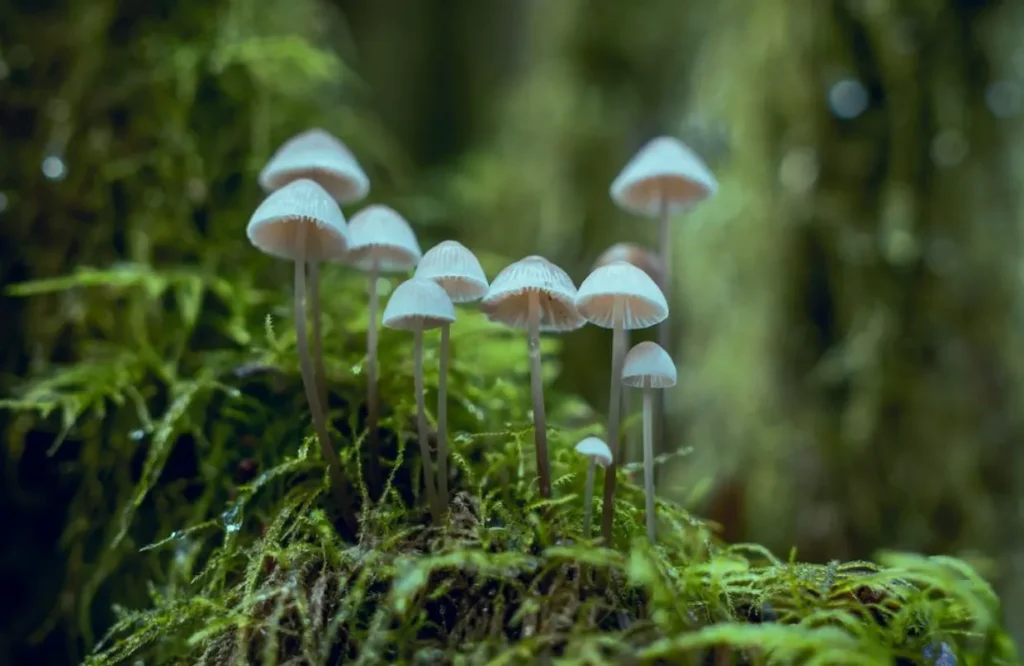
As hyphae branch and connect, they form a larger network called mycelium. This is the main growing body of most fungi. In mushrooms, the visible mushroom is only the fruiting structure, while most of the fungus remains hidden underground or inside wood.
Reproduction and survival
When conditions are favorable, fungi produce new spores through sexual or asexual reproduction. When conditions are harsh, many fungi survive by forming resistant spores, slowing growth, or remaining dormant.
Fungi survive because they are highly adaptable. They can live in forests, grasslands, deserts, oceans, homes, compost, food, and living organisms. Their ability to remain hidden, grow rapidly, and reproduce by spores makes them one of nature’s strongest survival groups.
Their Reproductive Process and raising their children
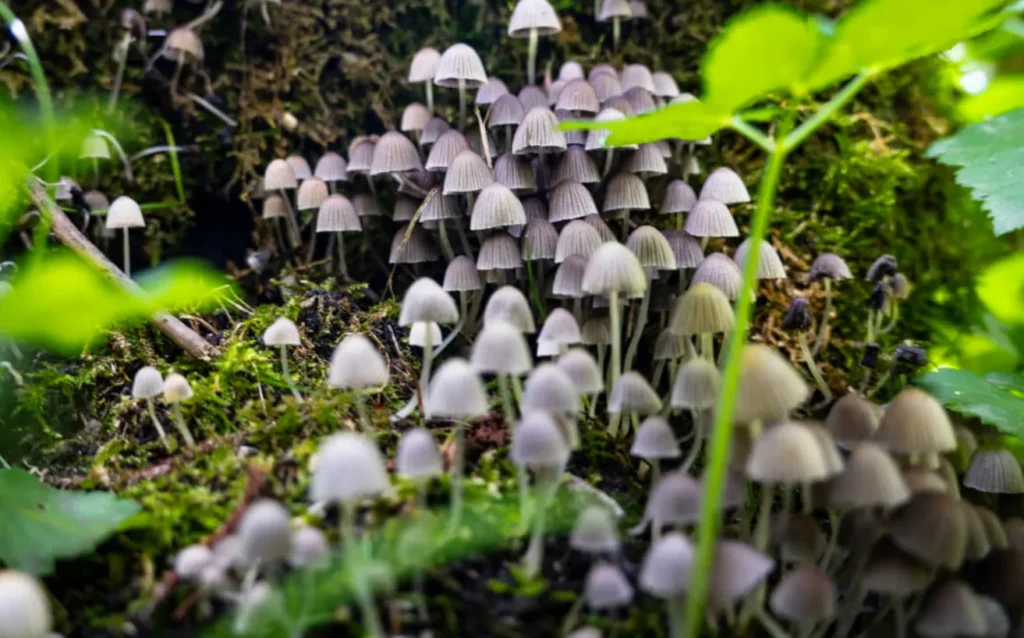
Fungi do not raise children like animals. Instead, they produce spores, and each spore has the potential to grow into a new fungal organism. This is why the phrase “raising their children” is best understood as spore production, protection, release, and successful germination.
Key points of fungal reproduction:
- Asexual reproduction:
- Many fungi reproduce asexually by producing spores without mating. This process is fast and helps fungi spread quickly in a favorable environment.
- Sexual reproduction:
- Sexual reproduction happens when compatible fungal cells or nuclei combine. This creates genetic variation, helping fungi adapt to new environments, diseases, climate stress, or host defenses.
- Spore protection:
- Spores often have protective walls that help them survive dryness, heat, cold, and lack of food.
- Fruiting body formation:
- In mushrooms, the visible fruiting body produces and releases spores. In molds, spores may form on specialized stalks or structures.
- Dormancy:
- Some spores can remain inactive until moisture and nutrients become available.
- No parental care:
- Fungi do not feed or protect their young as birds or mammals do. Their survival depends on producing many spores and spreading them widely.
This reproductive strategy is highly successful. A single fungus can release thousands or even millions of spores, but only a small number need to survive to continue the life cycle.
The importance of them in this Ecosystem
Fungi as natural decomposers
Fungi are among the most important decomposers in nature. They break down dead plants, wood, leaves, and organic waste. Without fungi, forests would be filled with undecomposed material, and nutrients would remain locked in dead matter.
Fungi and soil fertility
Fungi help return carbon, nitrogen, phosphorus, and other nutrients to the soil. This improves soil fertility and supports plant growth. Mycorrhizal fungi are especially important because they form symbiotic relationships with plant roots, improving nutrient and water uptake.
Fungi and plant survival
Many plants depend on fungi for healthy growth. Mycorrhizal networks increase root area and help plants access soil minerals. These fungal networks also support soil structure and biological activity.
Fungi in food and medicine
Fungi are used in bread, cheese, soy sauce, fermentation, antibiotics, enzymes, and biotechnology. Yeast is used in baking and brewing, while some fungi produce compounds of medical importance.
Fungi and biodiversity
Fungi support insects, animals, plants, bacteria, and entire food webs. Some animals eat mushrooms, some insects rely on fungi, and many plants depend on fungal partners.
Because fungi work quietly underground or inside organic matter, their importance is often underestimated. But ecosystems would not function properly without them.
What to do to protect them in nature and save the system for the future
Protecting fungi means protecting soil, forests, plants, water, and biodiversity. Many fungi are threatened by habitat loss, pollution, climate change, overharvesting, and soil disturbance. IUCN reported in 2025 that the Red List had reached 1,000 assessed fungi, indicating growing attention to fungal conservation.
- Protect old forests:
- Many fungi live in old trees, dead wood, and undisturbed forest soil. Saving forests helps save fungal networks.
- Avoid unnecessary soil disturbance:
- Excessive digging, construction, and heavy machinery can damage underground mycelium.
- Reduce chemical pollution:
- Overuse of pesticides, fungicides, and industrial pollutants can harm beneficial fungi.
- Keep dead wood in natural areas:
- Fallen branches and logs provide habitat and food for decomposer fungi.
- Support organic matter in soil:
- Compost, leaf litter, and natural mulch help beneficial fungi grow.
- Avoid overharvesting wild mushrooms:
- Collecting too many mushrooms can reduce spore release and disturb fungal habitats.
- Protect grasslands and wetlands:
- Rare fungi often live in old grasslands, wetlands, and nutrient-poor habitats.
- Teach people about fungi:
- Public awareness helps people understand that fungi are not only disease-causing organisms but also ecosystem builders.
- Support fungal research:
- Since many fungal species are still unknown, taxonomy and conservation research are essential for the future.
Frequently Asked Questions (FAQs)
Q1: What is the life cycle of fungal organisms?
A: The life cycle of fungal organisms starts with spores, followed by germination, hyphae growth, mycelium formation, reproduction, and new spore release.
Q2: Why is “life cycle of fungi” better than “life cycle of fungi”?
A: Fungal is an adjective, while fungi is the plural noun. So, “life cycle of fungi” is grammatically better, but “life cycle of fungi” can still be used as a search keyword.
Q3: Do all fungi produce mushrooms?
A: No. Only some fungi produce visible mushrooms. Many fungi live as microscopic yeasts, molds, or hidden mycelium.
Q4: What is the main reproductive unit of fungi?
A: The main reproductive unit is the spore. Spores help fungi spread and start new growth.
Q5: Can fungi reproduce without a partner?
A: Yes. Many fungi reproduce asexually, which does not require a partner. Some also reproduce sexually.
Q6: What causes fungal infection on the skin?
A: A fungal infection on the skin is usually caused by fungi that grow in warm, moist areas. It may affect the feet, nails, scalp, groin, or body.
Q7: What does a fungal rash look like?
A: A fungal rash may be itchy, scaly, red, ring-shaped, or irritated. Some rashes look different depending on skin tone and body location.
Q8: Are fungi good for the environment?
A: Yes. Fungi are essential for decomposition, nutrient cycling, soil fertility, plant growth, and biodiversity.
Conclusion
The life cycle of fungi is a powerful natural process that begins with tiny spores and continues through germination, hyphal growth, mycelium formation, reproduction, and new spore release. Fungi survive in nature because they are adaptable, efficient, and able to reproduce in different ways.
Although some fungi can cause fungal infection, fungal rash, or fungal ear infection, most fungi are beneficial and necessary for life on Earth. They decompose dead matter, recycle nutrients, support plant roots, improve soil health, and maintain ecosystem balance.
Understanding the life cycle of fungal organisms helps us appreciate their role beyond disease. Fungi are not just molds or mushrooms; they are hidden engineers of nature. Protecting fungi means protecting forests, soil, plants, food systems, and future biodiversity.
Also Read: life cycle of frog